Top 10 Benefits of Inflation Reduction Act for Solar Energy?

The Inflation Reduction Act (IRA) has sparked a significant shift in the solar energy sector. Industry experts hail this legislation as a game changer. Dr. Emily Foster, a solar energy analyst, states, "The inflation reduction act solar provisions will accelerate renewable energy adoption." This illustrates the act's potential to reshape energy markets.

With various incentives and tax credits, the IRA aims to lower installation costs for solar technology. It fosters innovation, making solar projects more appealing for developers and investors. Enthusiasts worry, however, that the complex regulations might create barriers for smaller firms.

Overall, the Inflation Reduction Act promises numerous advantages for solar energy. It encourages the growth of sustainable energy sources while tackling inflation concerns. Yet, challenges in implementation remain. How effectively can the industry leverage these benefits?

Top 10 Benefits of Inflation Reduction Act for Solar Energy?

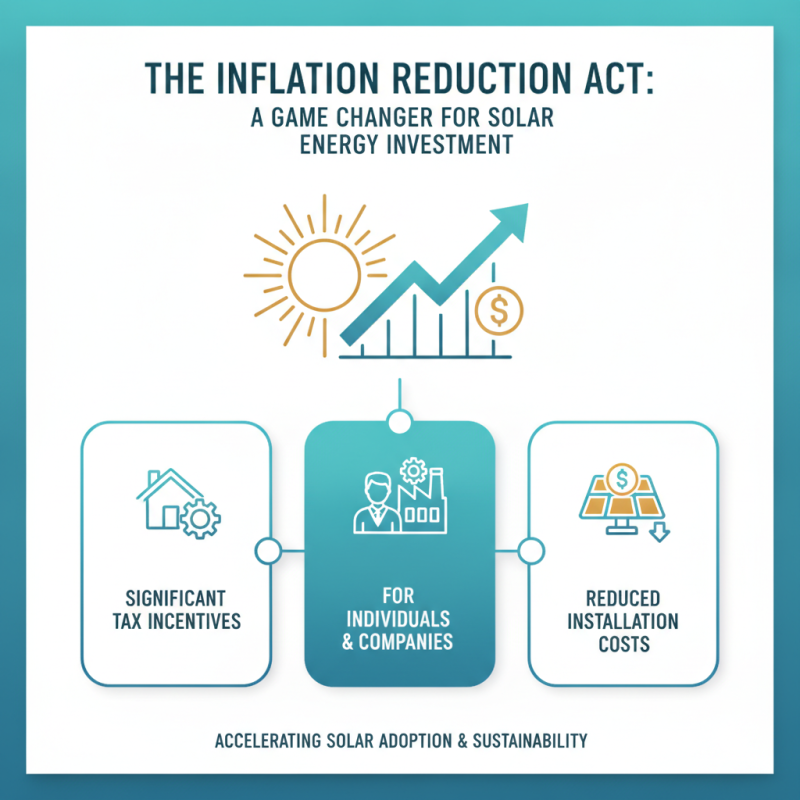
The Inflation Reduction Act: A Game Changer for Solar Energy Investment
Top 10 Benefits of Inflation Reduction Act for Solar Energy?

The Inflation Reduction Act has emerged as a catalyst for solar energy investment. By offering significant tax incentives, it encourages both individuals and companies to embrace solar technology. These incentives can cover installation costs, making solar energy more accessible to a broader audience.

Many homeowners are now considering solar panels due to the financial relief this act provides. This shift not only helps reduce energy bills but also promotes sustainability. Despite the benefits, there are still challenges. For instance, accessibility to solar technology in rural areas remains a concern. Moreover, navigating tax incentives can be complex. Thus, awareness and education are crucial to maximize the act's potential. Engaging with local experts is essential for those looking to make informed decisions.

Financial Incentives: Tax Credits and Grants for Solar Installations

The Inflation Reduction Act (IRA) significantly impacts solar energy through financial incentives. Tax credits and grants make solar installations more affordable for homeowners and businesses. The IRA offers a 30% federal tax credit for new solar systems. This boost can lower installation costs, making solar a more attractive option.

Reports indicate that solar power capacity in the U.S. could reach 600 gigawatts by 2029, thanks to these incentives. Grants and funding programs support local communities in adopting solar technology. These financial aids can empower more consumers to invest in renewable energy.

Tip: Consider local programs that complement federal incentives. Many states offer additional rebates or tax credits, enhancing affordability.

Investing in solar isn’t just about saving money. It’s crucial to evaluate long-term benefits versus upfront costs. Some users find the installation process complex, leading to misunderstandings about incentives. Engaging professionals can prevent pitfalls and ensure compliance with local regulations.

Top 10 Benefits of Inflation Reduction Act for Solar Energy

Benefit Description Impact
Federal Tax Credit Investors can claim a tax credit of 30% on solar installation costs. Increases affordability of solar systems for homeowners.
Grants for Low-Income Communities Funding available for solar projects specifically in low-income areas. Promotes energy equity and access to renewable energy.
Support for Domestic Manufacturing Incentives for manufacturing solar components within the U.S. Boosts job creation and strengthens the supply chain.
Investment Tax Credit Extension Extension of the investment tax credit for several years. Encourages long-term investment in solar technology.
Financing Assistance Programs designed to help finance solar installation projects. Reduces the upfront cost barrier for consumers.
Community Solar Programs Support for community-based solar initiatives. Allows broader access to solar power for residents.
Research and Development Grants Funding to support innovative solar technologies. Fosters technological advancements in solar energy.
Job Creation in Renewable Sector Job training programs funded by the act. Contributes to economic growth in the renewable sector.
Environmental Benefits Mitigates climate change through reduced carbon emissions. Promotes sustainability and public health.
Legal Protections for Investors Enhanced legal frameworks to protect renewable investments. Encourages more financial investment in solar projects.

Increased Energy Production: Projected Growth in Solar Capacity by 2025

The Inflation Reduction Act (IRA) is set to significantly boost solar energy production in the United States. By 2025, solar capacity is projected to grow substantially, with estimates suggesting a jump to over 500 GW. This growth reflects a transition towards cleaner energy sources and the long-term commitment to sustainability.

Data from the U.S. Energy Information Administration predicts that solar energy will contribute approximately 20% of total electricity generation by the middle of the decade. This shift is not just about numbers; it's a transformative change in how we produce energy. Communities are seeing increased job opportunities and greater energy access.

Tip: Consider installing solar panels to take advantage of federal tax credits offered under the IRA. These incentives can offset initial costs and improve energy savings over time.

Beyond financial incentives, the renewable energy sector faces challenges. Supply chain disruptions and workforce shortages are significant hurdles. Both need to be addressed to ensure that the projected growth is sustainable.

Tip: Stay informed about local programs and initiatives that support workforce development in solar energy. Engaging with these efforts can enhance local job markets.

Job Creation in the Solar Sector: Economic Impact of the Act

The Inflation Reduction Act (IRA) has significantly impacted the solar energy sector, particularly in job creation. This legislation encourages investment in renewable energy sources. As a result, thousands of new jobs will emerge in manufacturing, installation, and maintenance of solar panels. It is estimated that the solar industry could see a boost of several hundred thousand jobs within the next decade.


While this increase in jobs is promising, challenges remain. Many of these roles require specific skills and training. The workforce must adapt to meet the changing demands of the solar energy market. Additionally, smaller companies may struggle to keep pace with larger firms. This could limit opportunities for diverse job creation in all communities.


Moreover, the focus on local production may lead to job growth in certain regions. However, this may not be uniform across the country. Some areas may experience an influx of jobs, while others could lag behind. It's essential to consider these disparities as the solar industry expands under the IRA. Addressing workforce development and training will be crucial to ensuring everyone benefits from this transition.

Long-term Environmental Benefits: Reducing Carbon Footprint through Solar Energy

The Inflation Reduction Act offers significant long-term environmental benefits, particularly through promoting solar energy. By investing in solar technology, we can drastically reduce our carbon footprint. This transition is essential in addressing climate change. Solar energy systems harness sunlight, a renewable resource with minimal environmental impact.

As solar energy becomes more widely adopted, its cumulative effect can lead to cleaner air and fewer greenhouse gases. This reduction in emissions contributes to a healthier planet. Yet, challenges remain. Not all communities have equal access to solar technology. Economic barriers may hinder some from benefiting fully.

Moreover, the production and disposal of solar panels pose potential environmental concerns. Addressing these issues is crucial for ensuring that solar energy remains a green solution. Continuous innovation is necessary to mitigate these challenges. By focusing on responsible practices, we can maximize the environmental advantages of solar energy.

Impact of the Inflation Reduction Act on Solar Energy Implementation