Best Large Scale Solar Solutions for Global Buyers?
As the world increasingly shifts towards renewable energy, large scale solar solutions have emerged as a crucial option for energy buyers. These systems not only provide significant power output but also offer sustainability benefits. However, navigating this market can be challenging. Buyers often face choices that may seem overwhelming.
Understanding different technologies, costs, and installation options is essential. This knowledge can help companies make informed decisions. Yet, many lack the expertise necessary to evaluate these large scale solar solutions effectively. This gap can lead to mistakes, resulting in costly delays.
Furthermore, the evolving landscape of solar energy requires buyers to think critically. Stakeholders should be cautious and assess long-term return on investment. Collaboration with experienced providers can bridge the knowledge gap. Ultimately, the right guidance can lead to successful and impactful solar projects. Exploring the best solutions demands careful consideration and reflection on individual needs.
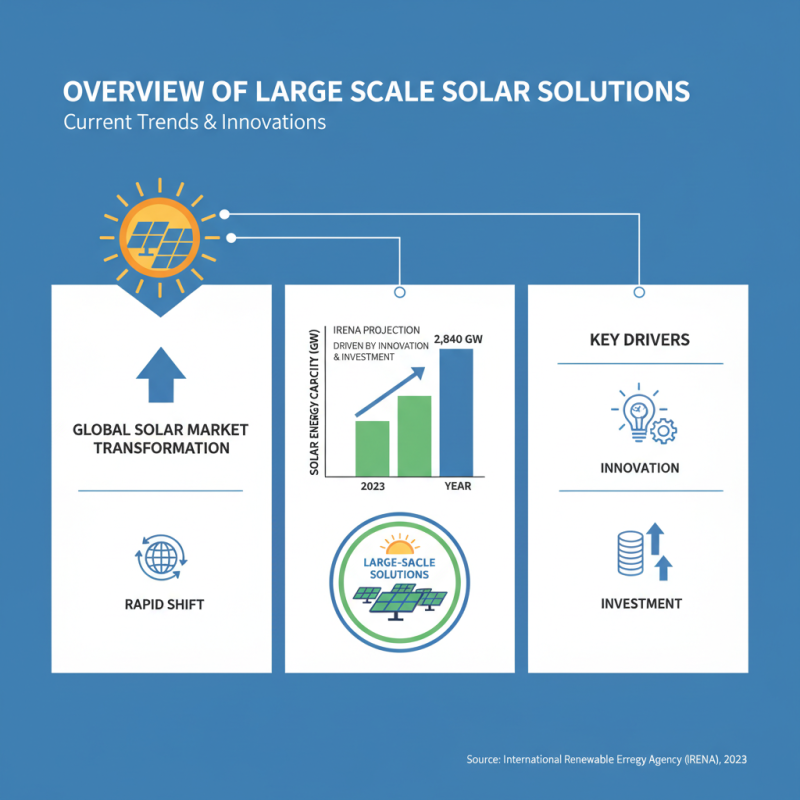
Overview of Large Scale Solar Solutions: Current Trends and Innovations
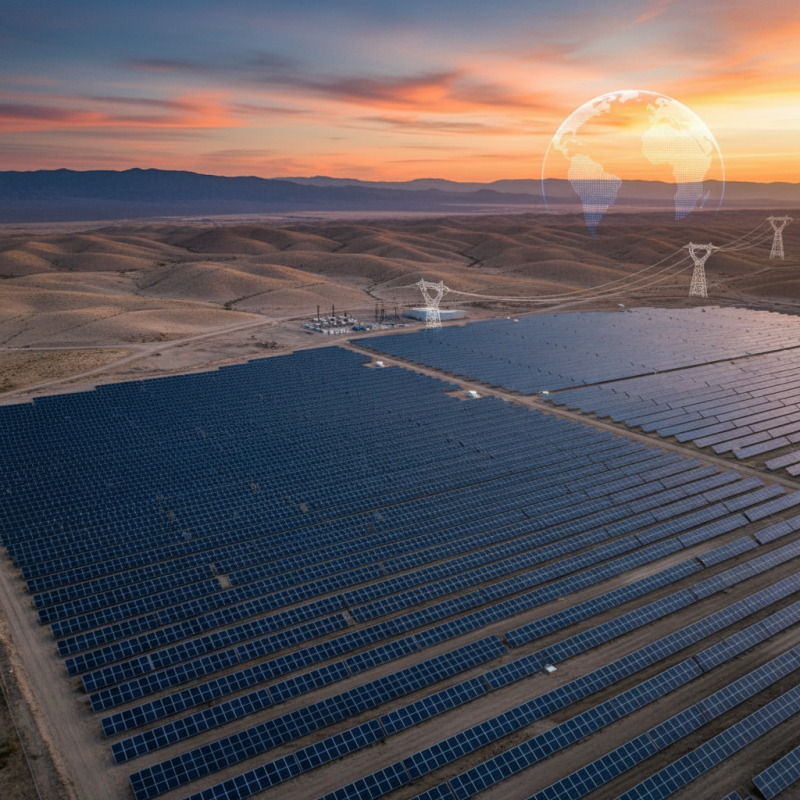
The global solar market is witnessing rapid transformations. Large scale solar solutions are at the forefront of this shift. According to the International Renewable Energy Agency (IRENA), solar energy capacity is set to reach 2,840 GW by 2023, driven by innovation and investment.
Current trends show a rising interest in bifacial solar panels. These panels capture sunlight on both sides, increasing efficiency by up to 30%. More projects are utilizing tracking systems. These systems adjust the panel's position to follow the sun, maximizing sunlight capture. Reports suggest that such innovations can enhance energy output significantly.
However, challenges exist in this evolving market. Supply chain constraints impact project timelines worldwide. Additionally, there are concerns regarding land use and environmental impacts. Stakeholders must address these issues to ensure sustainable growth. As technology advances, the balance between efficiency, cost, and environmental responsibility will require continuous reassessment.
Key Considerations for Selecting Large Scale Solar Providers
Selecting the right large-scale solar provider is crucial for global buyers. The solar industry is rapidly growing, with the International Energy Agency predicting solar energy capacity to exceed 3,000 GW by 2030. This tremendous expansion means that selecting a reliable provider is more critical than ever. Key considerations include technology, project financing, and local regulations.
A provider's technology is vital. Different solar technologies like monocrystalline and polycrystalline panels offer varying efficiency levels. For instance, monocrystalline panels typically reach over 20% efficiency, making them ideal for space-constrained projects. Understanding these differences helps buyers maximize energy output in limited areas. Additionally, project financing can heavily impact long-term feasibility. A recent report indicated that projects with transparent financing structures had a 30% higher success rate than those lacking clarity.
Local regulations also play a significant role. Compliance with local laws can affect project timelines and budgets. Understanding the regulatory landscape is essential. A global buyer must carefully evaluate legal requirements in their chosen region. Neglecting these considerations can lead to costly delays or project failures. Ensuring that all aspects are thoroughly researched is a necessary step towards successful solar investments.
Global Market Leaders in Large Scale Solar Solutions
The large-scale solar market continues to grow rapidly, attracting global buyers seeking sustainable energy solutions. According to the International Energy Agency, the global solar capacity reached 1,000 gigawatts in 2021. This growth represents a significant shift towards renewable energy and a move away from fossil fuels.
Several key players dominate the large-scale solar sector. Industry reports indicate that these leaders possess considerable expertise in project development and technology integration. They often leverage advanced photovoltaic technologies to enhance efficiency. Despite this progress, challenges remain. Supply chain disruptions and varying regulations across regions can hinder project implementation.
Moreover, fluctuating material costs threaten project viability. Buyers must navigate these uncertainties while assessing the long-term value of solar investments. A deep understanding of local markets and policy frameworks is essential for success. Each market presents unique opportunities and risks, requiring tailored approaches. The transition to large-scale solar is filled with promise but also demands careful consideration and adaptability.
Best Large Scale Solar Solutions for Global Buyers
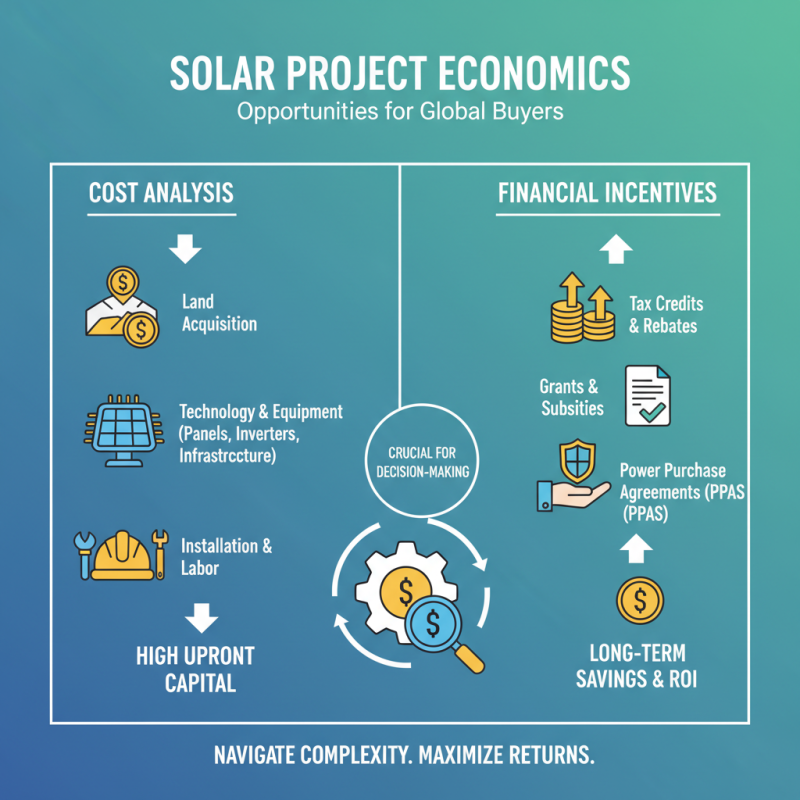
Cost Analysis and Financial Incentives in Large Scale Solar Projects
Large scale solar projects present significant opportunities for global buyers, but financial analysis is crucial. Understanding the costs associated with these endeavors can guide decision-making. Upfront capital in large solar installations can be steep. Buyers should anticipate expenses related to land acquisition, technology, and installation.
Financial incentives play a pivotal role in shaping these projects. Governments often offer tax credits or subsidies to make solar investments more attractive. These incentives can reduce overall costs and enhance project viability. A deeper dive into local regulations can uncover valuable benefits. Some regions may offer grants or low-interest loans to spur renewable energy projects.
However, not every project guarantees success. Some initiatives may falter due to changing policies or market fluctuations. Buyers must stay updated on industry trends. They should consider potential challenges, such as fluctuating solar panel prices and the evolving landscape of energy regulations. Constant reassessment is vital, as no project remains static in a dynamic market.
Future Prospects and Challenges for Large Scale Solar Adoption
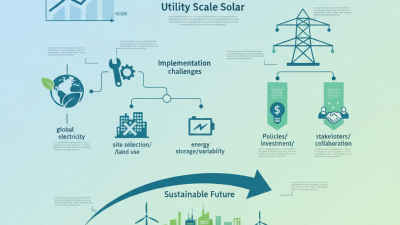
The future of large-scale solar adoption holds both promise and challenges. As the global demand for sustainable energy grows, investors and governments are increasingly focused on solar solutions. These systems can provide clean energy, reduce carbon footprints, and enhance energy security. However, several hurdles may impede their widespread implementation.
One major challenge is the intermittency of solar energy. Sunlight availability can fluctuate, impacting energy production. Storage solutions are essential but often costly. Additionally, some regions face geographical limitations. Not every location is ideal for solar farms, leading to disparities in adoption rates. This can create a reliance on traditional energy sources longer than desired.
Market dynamics also play a role in large-scale solar adoption. Pricing fluctuations for solar components can pose risks to project feasibility. Furthermore, bureaucratic hurdles may slow down project approvals, hindering timely execution. Addressing these challenges requires collaborative efforts between governments, private sectors, and communities. Continuous innovation in technology and policy can pave the way for a brighter future in solar energy.