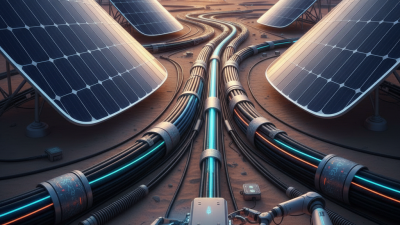
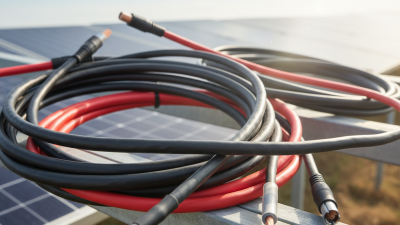
Choosing the right PV cables is crucial for any solar energy system. These cables are the backbone that connects various components of a solar setup. Selecting high-quality PV cables ensures optimal energy transmission and durability.
Not all PV cables are created equal. It's important to consider factors like temperature resistance, UV stability, and flexibility. Many consumers overlook these details. A cable that seems affordable may not perform well in extreme conditions. This can lead to costly repairs or decreased efficiency.
Investing in reliable PV cables is fundamental. They can enhance the overall performance of your solar energy system. It’s worth reflecting on whether you prioritize cost over quality. Quality cables might require a higher initial investment, but they can save you money in the long run. Understanding these aspects builds a solid foundation for your solar journey.
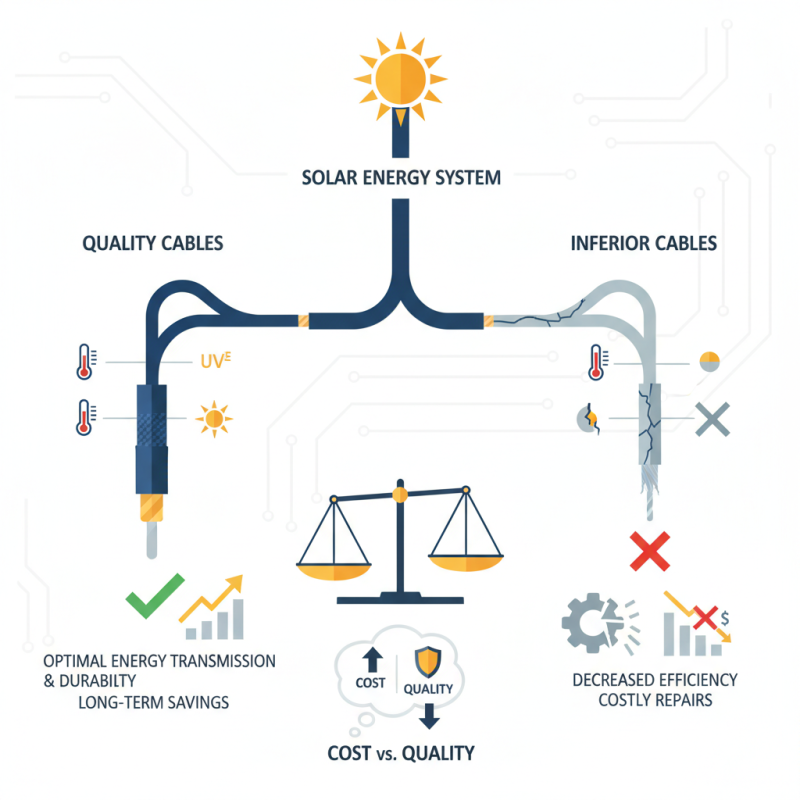
Choosing the right photovoltaic (PV) cables is crucial for solar energy systems. The performance and longevity of your solar setup depend significantly on this choice. According to the Solar Energy Industries Association (SEIA), improper cabling can lead to energy losses up to 5%. This figure highlights the importance of selecting high-quality, compatible cables.
PV cables must withstand various environmental conditions. They are exposed to sunlight, temperature fluctuations, and moisture. For instance, cables made from thermoplastic elastomer (TPE) can endure extreme temperatures, which is vital for installations in diverse climates. Data from industry reports state that low-quality cables can degrade quickly, leading to frequent replacements and increased costs over time.
A significant consideration is the cable's conductivity. High conductance minimizes energy loss during transmission. The National Renewable Energy Laboratory (NREL) emphasizes that proper sizing is essential. Cables that are too thin may overheat, while those that are oversized can be unnecessarily costly. Understanding these dynamics is essential for ensuring system efficiency and reliability. Selecting the wrong cables may result in underperformance and increased maintenance needs, raising questions about the initial investment's wisdom.
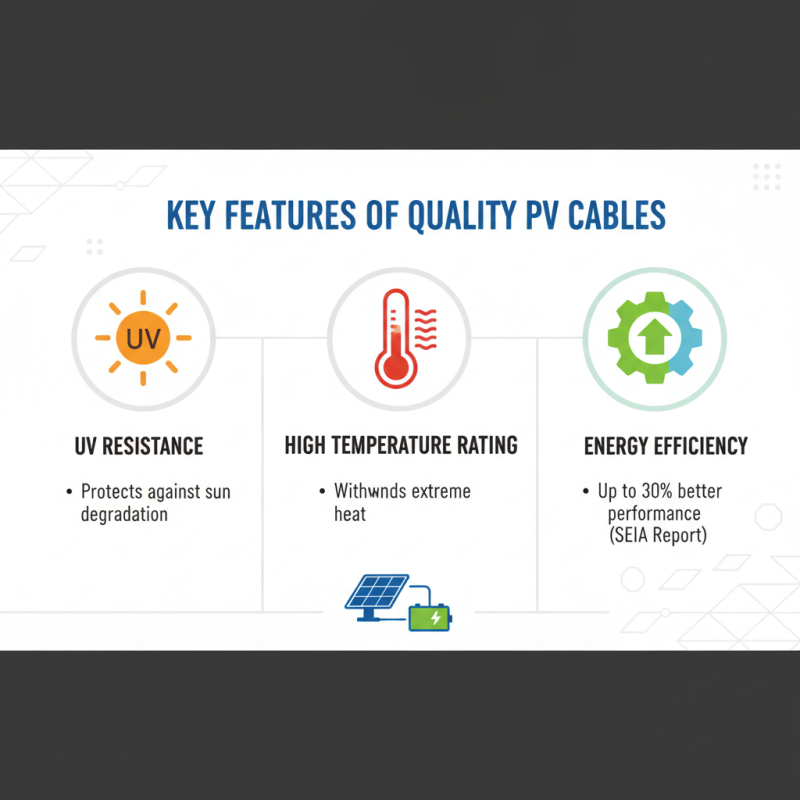
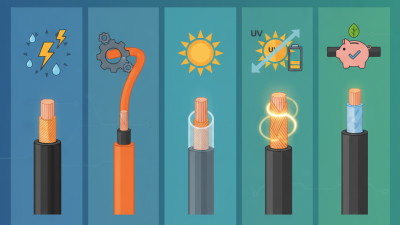
When selecting PV cables for your solar energy setup, understanding key features is crucial. High-quality cables deliver both efficiency and safety. Look for cables rated for UV resistance and high temperatures, as they often operate in harsh conditions. A report by the Solar Energy Industries Association (SEIA) states that the right cables can enhance energy efficiency by up to 30%.
Cable insulation is another significant factor. Choose cables with durable materials such as XLPE or PVC. These materials offer superior protection against outdoor elements and mechanical stress. A cable’s current-carrying capacity also influences overall system performance. The National Electrical Code (NEC) recommends following specific guidelines for current ratings to avoid overheating or damage.
**Tip: Always verify the certification of PV cables through trusted testing laboratories.** Reliability in cabling can impact your system’s lifespan significantly. Sometimes, cheaper options might seem attractive but can lead to failures or fire hazards down the line.
**Tip: Evaluate your installation environment.** Harsh weather might necessitate more specialized cable options. Investing in high-quality PV cables is critical for long-term efficiency and maintenance. Accepting that not all options are suitable may save you future problems.
When selecting PV cables for solar energy systems, knowing the types and their specific applications is essential. There are several types of PV cables, with the primary ones being solar PV cables and AC cables.
Solar PV cables are designed for connecting solar modules to inverters. They are typically made of durable materials, ensuring longevity and resistance to environmental factors.
AC cables, on the other hand, connect inverters to the electrical grid. These cables often endure higher temperatures and require strong insulation. The right choice influences system efficiency and longevity.
Tips: Always check for compatibility with your solar panels and inverters. Pay attention to weather resistance for long-term outdoor use. Regular inspections can help identify wear over time, maintaining safety and performance.
Affordable options may lead to shorter lifespans, potentially causing future failures. Investing in high-quality materials pays off through reliable performance. Take the time to research and select cables that meet your specific requirements.
When installing PV cables, best practices are crucial for ensuring efficiency and longevity. Proper cable management starts with selecting the right materials. Utilizing UV-resistant insulation can extend the cable's lifespan. A study from the National Renewable Energy Laboratory (NREL) suggests that the right insulation can reduce degradation by up to 30%. However, not all installers prioritize this detail, risking system performance.
Another critical aspect is cable routing. Cables should be secured and organized to avoid physical damage. Data from the Solar Energy Industries Association (SEIA) indicates that improper cable management can lead to increased maintenance costs, resulting in a 15% reduction in energy output over time. It's essential to keep cables away from sharp edges and high-traffic areas. This simple step often gets overlooked, leading to potential failures.
Lastly, pay attention to grounding techniques. Proper grounding minimizes the risk of electrical faults. According to industry standards, adequate grounding can prevent equipment damage and ensure safety. However, many projects experience issues due to inadequate grounding practices. Regular training for installation crews can help mitigate these risks and improve overall project reliability.
This bar chart illustrates the suitability ratings for various types of PV cables used in solar energy projects. The rating reflects factors such as conductivity, insulation quality, and overall performance in solar applications.
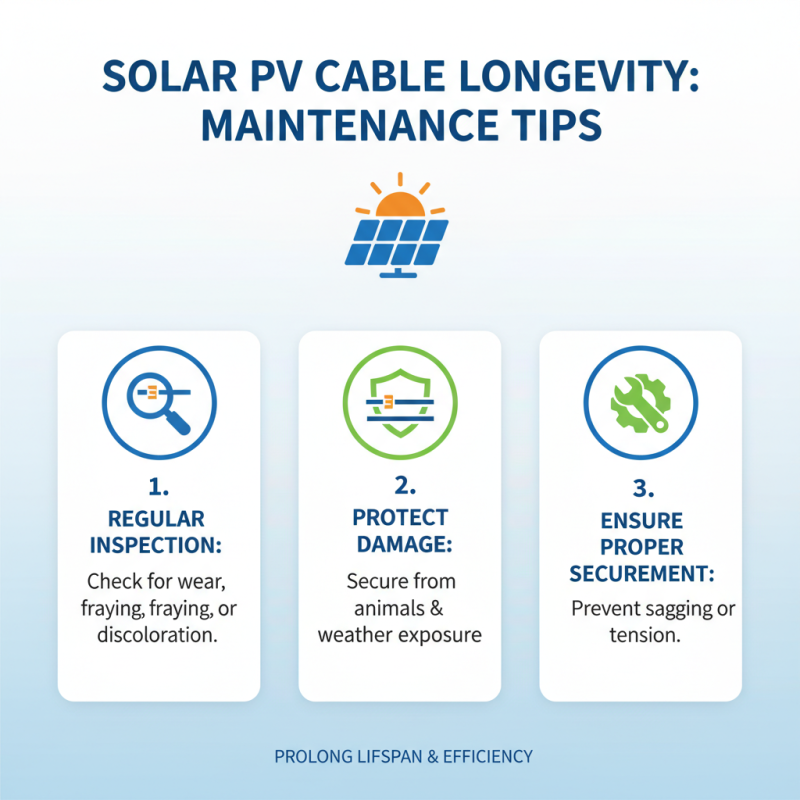
When it comes to solar energy, maintaining your PV cables is essential. Proper care can prolong their lifespan and ensure efficiency. Regularly check for signs of wear. Look for fraying or discoloration. These issues can impact performance. Ensure that cables are properly secured and not exposed to potential damage from animals or weather.
Environmental factors play a crucial role in the longevity of PV cables. Extreme temperatures can accelerate deterioration. Consider the impact of humidity too. Moisture can lead to corrosion, affecting connections. Installations in harsh climates may require additional protective measures. Routine cleaning helps remove dirt and debris. This can improve performance and reduce potential risks.
Monitoring cable connections is equally important. Loose connections can create resistance and generate heat. This not only wastes energy but can pose safety hazards. Regular inspections can catch these issues early. Ensure that connections remain tight and free from corrosion. Taking these steps leads to a more reliable solar energy system. It fosters not just efficiency, but also peace of mind.