China Best Solar PV Products for Global Buyers How to Choose?
In the rapidly evolving world of renewable energy, solar photovoltaic (PV) products from China stand out. Their affordability and efficiency attract global buyers. Choosing the right solar PV products, however, can be a daunting task. With numerous brands and technical specifications, how do you make the best choice?
Understanding the various factors that influence quality is crucial. Not every product marketed as high-efficiency solar PV is reliable. Some buyers have encountered misleading claims about performance. Research shows that the right selection can significantly impact energy output. Thus, global buyers should consider product certifications and manufacturer reputation.
When navigating this market, buyers must focus on proven technologies. Not all solar PV modules are created equal. Real-world performance, warranty terms, and customer service vary significantly across providers. It is essential to gather data and customer reviews. Making informed decisions on solar PV products can lead to substantial long-term benefits and sustainable energy solutions.
Overview of China's Solar PV Industry Landscape
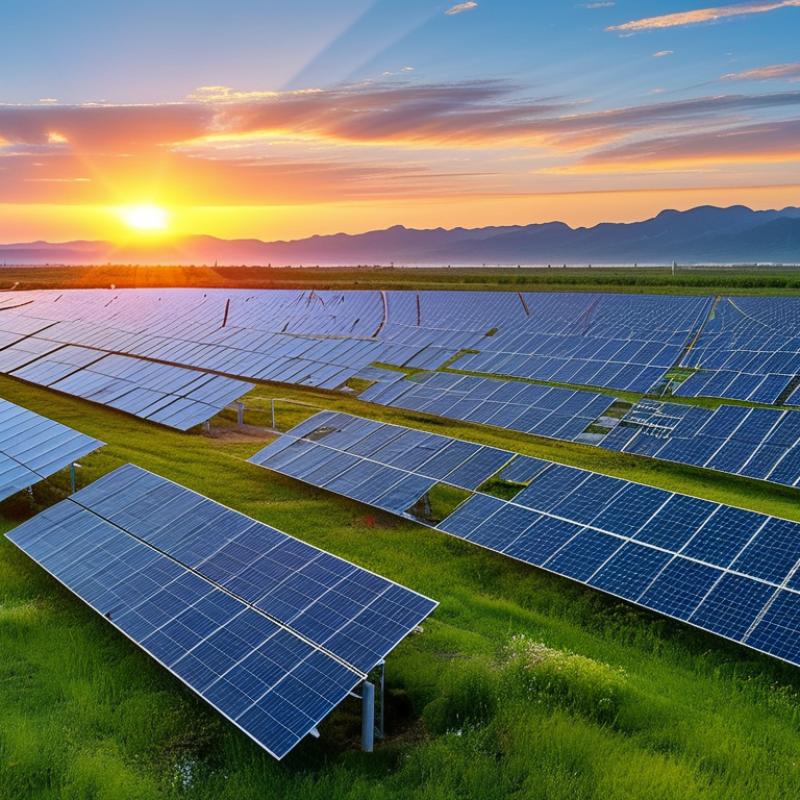
China's solar photovoltaic (PV) industry is a global leader, accounting for over 70% of the world's solar panel production. The China Photovoltaic Industry Association (CPIA) reported that the country's total solar power generation reached 392 gigawatts (GW) by 2021. This immense growth highlights the country's commitment to renewable energy and positions it as a key player in the global market.
The landscape is diverse, featuring various manufacturers producing different types of solar panels, including monocrystalline and polycrystalline options. Many companies focus on enhancing efficiency rates and reducing costs. According to a report by BNEF, the average efficiency of solar PV modules has increased from 15% in 2010 to around 21% in 2022. However, potential buyers should carefully consider quality and technology. Not all products meet the same standards, and the market is flooded with varying levels of quality.
In navigating this saturated market, buyers must also remain vigilant. While there are many options, not all manufacturers provide transparent data on product performance. Some lack robust certifications, making quality checks essential. Understanding warranty terms and after-sales support are vital for long-term investment. Buyers should weigh these factors against the initial cost, as cheaper options may lead to higher expenses down the line.
Key Factors to Consider When Choosing Solar PV Products
When selecting solar photovoltaic (PV) products, several factors come into play. One of the most critical elements is efficiency. The conversion rate of sunlight into electricity determines how much energy a solar panel can generate. Look for products with high efficiency to maximize energy output, particularly in limited space conditions.
Durability is another vital factor. Solar panels should withstand extreme weather conditions, such as storms or hail. A reliable product will have certifications for durability and performance. Consider panels that have been tested in various environments.
Longevity also matters; panels with longer warranties are often a good indicator of reliability.
Look at the warranty and customer support. A solid warranty reflects a manufacturer's confidence in their product. Assess how readily the company provides assistance and maintenance. Transparent communication is key here.
Researching customer reviews can help gauge user satisfaction. Inconsistent feedback may reveal potential issues or weaknesses with the products. Always weigh different opinions before making a decision.
Comparing Different Types of Solar PV Panels Available in China
China’s solar PV market offers a variety of products suitable for global buyers. Different types of solar panels, primarily monocrystalline, polycrystalline, and thin-film, each have unique features. Monocrystalline panels rank high in efficiency, with efficiencies often exceeding 20%. This is crucial for limited space installation. For instance, the National Renewable Energy Laboratory reported that these panels perform better under low-light conditions, making them a reliable choice.
Polycrystalline panels are generally more affordable. Their efficiency ranges from 15% to 20%. However, they require more space for installation. This could be a drawback in urban environments. Thin-film panels, while less efficient, offer flexibility in design. They can be installed on a variety of surfaces, which is valuable for certain projects. According to industry data, they account for about 10% of the market due to their specific use cases.
Selecting the right type of solar panel depends on individual needs. Consider factors such as available space, budget, and energy requirements. Each type has its pros and cons. Monocrystalline panels may provide the highest efficiency, but their cost can be a barrier. Polycrystalline panels strike a balance between efficiency and price. Buyers should evaluate their options carefully to ensure optimal performance based on their unique circumstances.
China Best Solar PV Products for Global Buyers: Comparing Different Types of Solar PV Panels
Evaluating Manufacturers: Quality, Certifications, and Reputation
When selecting solar photovoltaic (PV) products from China, evaluating manufacturers is crucial. Quality is paramount. A 2022 report from the International Renewable Energy Agency highlights that over 70% of global solar installations rely on Chinese-made panels. This statistic underscores the significance of sourcing the right products for reliability and performance.
Certifications play a pivotal role in the decision-making process. Important standards include ISO 9001 and IEC 61215. These certifications ensure that manufacturers meet international quality benchmarks. Inadequate attention to certifications can lead to inconsistent product performance. Reputation cannot be overlooked either. Manufacturers with a longstanding presence are often more reliable, as they have a proven track record and can provide customer testimonials and case studies.
However, not all well-established manufacturers maintain quality. Some may have notable reputations yet deliver subpar products. Researching industry reviews and expert evaluations can reveal inconsistencies. Buyers should be wary of manufacturers that offer prices significantly lower than market rates. These discrepancies often signal potential compromises in quality or service. Fostering a critical approach is essential when navigating this complex landscape of solar PV products.
Global Market Trends Influencing Purchasing Decisions for Solar PV Products
When considering solar PV products, understanding global market trends is crucial. Buyers need to assess demand patterns and preferences. For instance, regions with high sunlight exposure prioritize efficiency. Countries like Germany focus on durability and performance in challenging weather. These trends shape purchasing decisions significantly.
Another factor is policy changes, which alter market dynamics. Government incentives often drive consumer interest. Additionally, innovations in solar technology can shift market focus. Emerging products may promise better energy solutions or lower costs. This evolving landscape requires careful research.
Buyers should also consider sustainability. Eco-friendly products are gaining traction. Consumers are increasingly seeking transparency in manufacturing processes. Assessing a product's lifecycle impact can enhance decision-making. However, finding reliable information is challenging. Manufacturers may present data selectively. Therefore, it is essential to verify claims through independent resources.