Why Choose Solar PV Installation for Your Home or Business?
Choosing solar PV installation can significantly impact your energy usage. Many homeowners and businesses often seek ways to reduce costs. Solar power offers a sustainable solution that can lower electricity bills over time. Imagine generating your own energy. You can gain independence from the grid while contributing to a greener planet.
However, this choice requires careful consideration. Installation costs, aesthetic preferences, and potential savings must all be evaluated. While solar PV systems can lower energy bills, the initial investment can be daunting. Not everyone may see immediate returns. Understanding your energy needs will help in making an informed decision.
Moreover, not all solar PV installations are created equal. Quality of panels varies significantly. Local regulations can also pose challenges. It’s essential to conduct thorough research before moving forward. Balancing the upfront costs with long-term benefits requires clear thinking. Embrace the potential of solar PV installation, but remain cautious and informed.
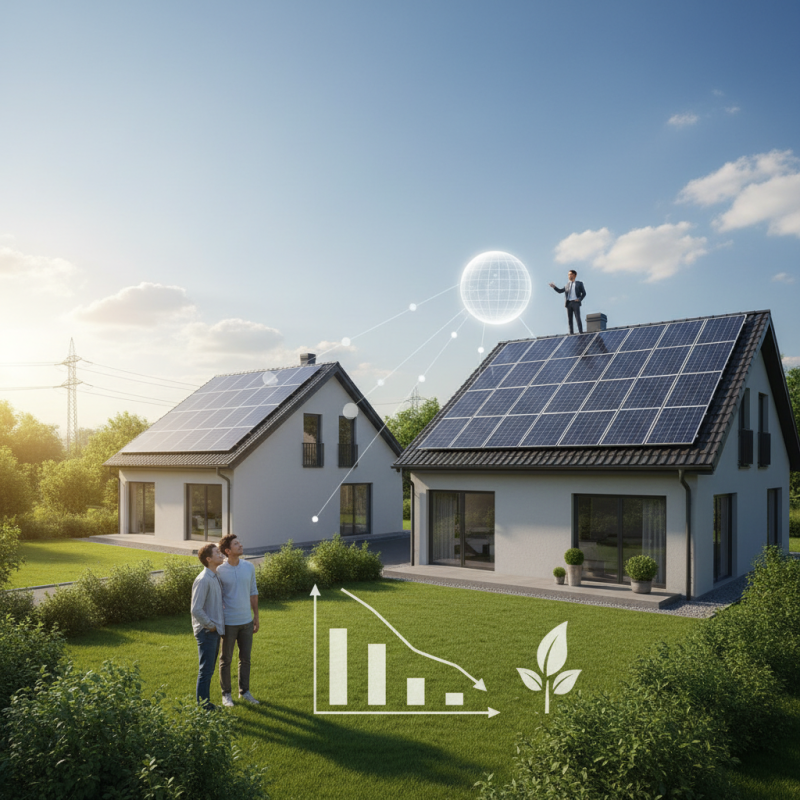
Benefits of Solar PV Installation for Reducing Energy Costs
Installing solar PV panels can significantly reduce energy costs for homes and businesses. By harnessing sunlight, you can generate your own electricity. This reduces reliance on expensive grid power. Over time, the savings from lower energy bills can add up. You can invest that money back into other areas of your home or business.
Here are some tips to maximize your solar savings. First, evaluate your energy consumption. Understanding peak usage times can help in designing a tailored solar solution. Second, consider the placement of your solar panels. A roof with optimal sun exposure yields more energy. Regular maintenance is also key. Ensure your panels are clean to maintain efficiency.
It's essential to think about your local environment. Shading from trees or buildings can impact performance. Not every location is perfect for solar energy. Reflect on your situation carefully. Taking these factors into account can lead to better decision-making regarding solar installation.
Benefits of Solar PV Installation for Reducing Energy Costs
Environmental Advantages of Switching to Solar Power Solutions
Switching to solar power can significantly benefit the environment. Solar photovoltaic (PV) systems harness sunlight, converting it into clean electricity. This reduces reliance on fossil fuels, lowering greenhouse gas emissions. A home or business using solar energy contributes to cleaner air. It helps combat climate change, a pressing global issue.
Tips for choosing solar: Evaluate your energy needs first. Understand how much energy you consume. Then, determine the ideal system size for your property. Compare various options available in the market. Make an informed decision instead of rushing through.
Many still have concerns about installation costs. However, long-term savings on energy bills can offset initial expenses. Consider state incentives that encourage solar adoption. Reflect on the environmental impact of energy choices. Every small effort counts toward a more sustainable future. The transition may have challenges, but progress in renewable energy is evident.
How Solar PV Systems Enhance Property Value and Market Appeal
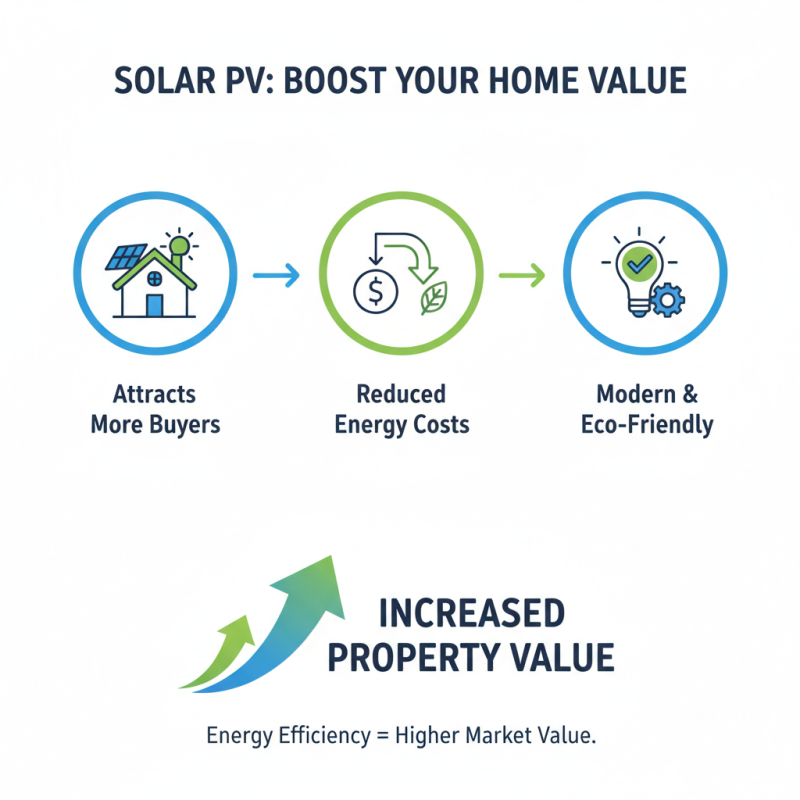
Installing solar PV systems can greatly enhance property value. Homes with solar panels often attract more buyers. This is because many people are looking for energy-efficient options. The appeal of reduced energy costs is a significant advantage. Furthermore, solar installations signal modernity and responsibility, traits valued by today’s market.
However, not all installations are equal. Poorly designed systems can lead to inefficient energy production. Every detail matters, from panel placement to inverter choice. A well-planned solar setup can result in long-term financial benefits. Prospective buyers may feel uncertain about maintenance costs. Transparency regarding these aspects can reassure them.
Additionally, solar energy can contribute positively to the environment. Many buyers prioritize sustainability in their purchasing decisions. A property powered by renewable energy can stand out in a crowded market. This added value is evident not only in financial terms but also in overall desirability.
Government Incentives and Financial Incentives for Solar Installation
Government incentives play a crucial role in promoting solar PV installation for both homes and businesses. According to a recent report by the Solar Energy Industries Association, recent federal tax credits can cover 26% of installation costs. This significant savings makes solar more accessible for many property owners. Various states also offer incentives, such as rebates and their own tax credits. California, for instance, has a statewide solar rebate program that encourages residential installations.
Financial incentives are not the only benefits. Installing solar panels can lead to long-term savings on energy bills. Over a 20-year period, residential solar systems can save homeowners an average of $20,000, depending on local electricity rates. However, not all installations provide expected returns. Poor quality installations may lead to lower energy output. It is crucial to choose skilled contractors carefully. Research shows that about 13% of solar installations fail to operate at optimum capacity.
In addition, financing options are becoming more accessible. Many financial institutions now offer loans specifically for solar installations. This can enable families who find upfront costs daunting to invest in renewable energy. Ultimately, despite certain challenges, incentives can significantly offset initial costs and ensure better financial outcomes in the long run.
Assessment of Installation Process and Maintenance of Solar Systems
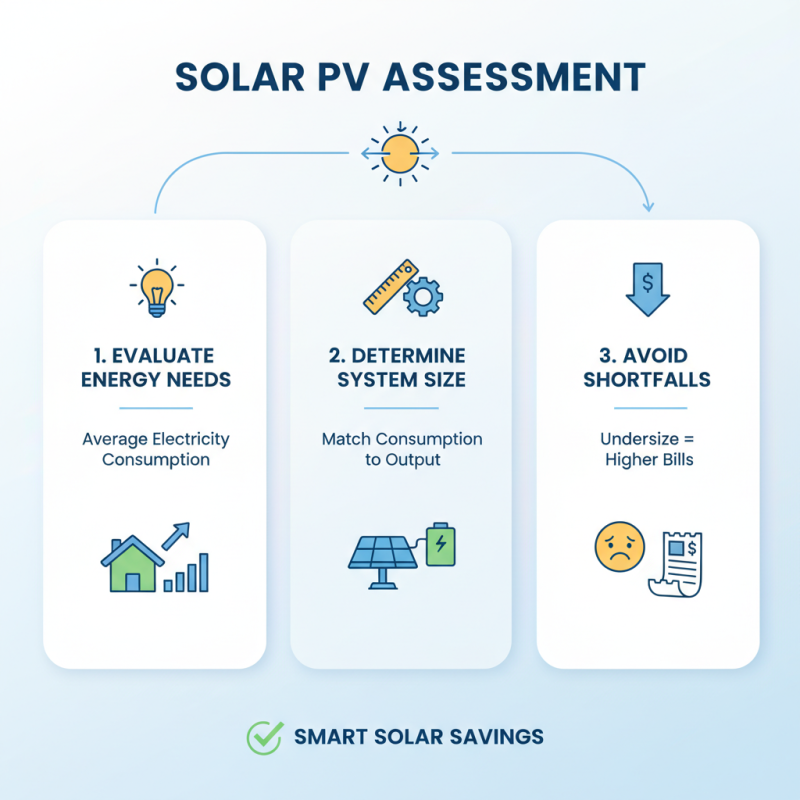
The installation of solar photovoltaic (PV) systems requires careful assessment. Homeowners or business owners should start by evaluating their energy needs. Understanding your average electricity consumption is crucial. This data will help determine the size of the system required. If you underestimate, your solar output may fall short. This could lead to higher energy bills.
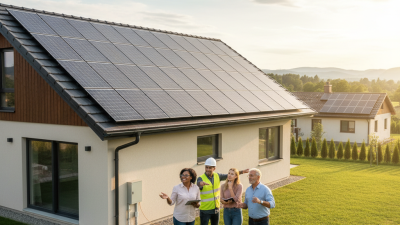
After assessing energy needs, it’s time to consider the installation process. It typically begins with site evaluation. Installers check roof orientation, shading issues, and structural integrity. These factors can impact the efficiency of the system. Sometimes, unexpected complications arise during assessment. For example, hidden roof damage might require repairs before installation.
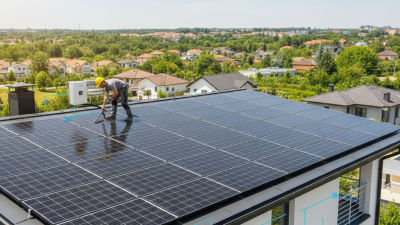
Maintenance of solar systems is equally important. Regular cleaning of solar panels ensures optimal performance. Dust and debris can significantly reduce energy output. Monitoring systems can alert you to issues. However, some find it challenging to keep track of maintenance schedules. This gap can lead to decreased efficiency over time. Addressing these areas can improve overall energy usage and system longevity.