How to Choose Sun Value Solar Panels for Global Sourcing
Choosing sun value solar panels for global sourcing requires more than comparing the lowest price. Buyers must examine performance, certification, supplier reliability, and long-term operating value. As Fatih Birol, Executive Director of the International Energy Agency, stated, “Solar PV is the new king of electricity markets.” That growth makes careful sourcing essential, not optional.
A reliable evaluation begins with measurable evidence. Check IEC 61215 and IEC 61730 certification, product test reports, factory audits, and serial-number traceability. Compare module efficiency, temperature coefficient, low-light performance, and annual degradation. A panel rated at 550 watts may produce less value in a hot, dusty region than a slightly lower-rated panel with stronger heat performance. Look closely at the backsheet, frame thickness, junction box, and glass quality. Small details matter during ocean shipping and rooftop installation.
Supplier experience also deserves practical attention. Request references from projects in similar climates. Review warranty terms, claim procedures, spare-part support, and production consistency. Confirm packaging strength before containers leave the factory. One damaged pallet can weaken an apparently attractive deal.
No checklist is perfect. I may overvalue technical data and undervalue communication speed. That is a real sourcing risk. A supplier that answers clearly, shares test evidence, and admits limitations may deserve more trust than one offering impressive promises. The strongest sun value solar decision balances cost, verified performance, logistics, and responsible business conduct. It protects the buyer’s investment long after the purchase order is signed.
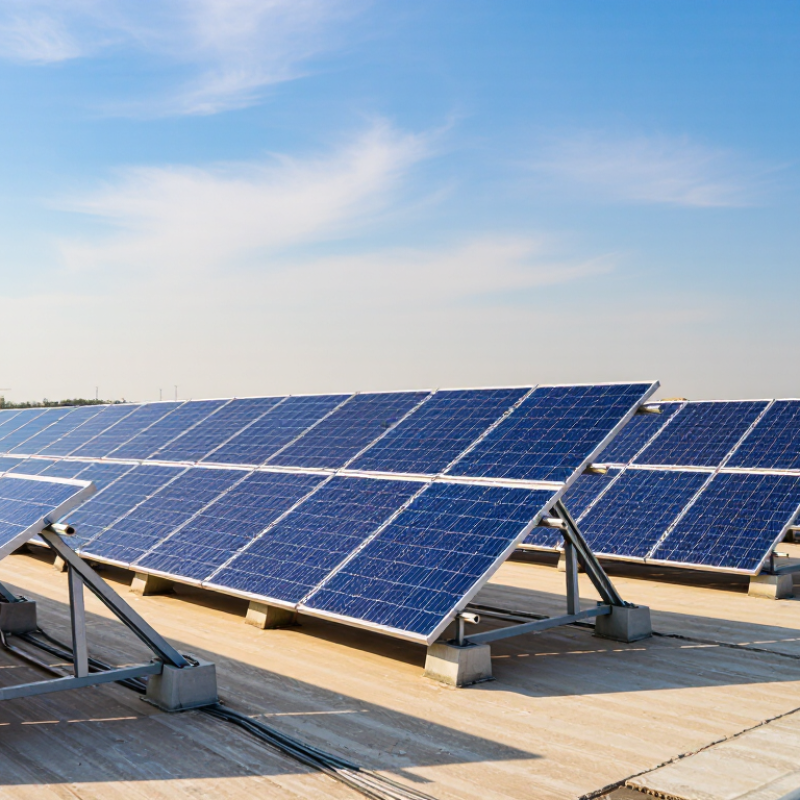
Define Sun Value Solar Panels and Their Core Product Categories
In global sourcing, “Sun Value solar panels” usually describes panels selected for balanced cost, output, durability, and serviceability. It is not a universal technical classification. Buyers should define the term through measurable specifications, not attractive sales language. A practical definition includes power rating, efficiency, temperature coefficient, warranty terms, and verified test reports.
The core category is monocrystalline panels. They offer strong efficiency and suit rooftops with limited space. Polycrystalline panels may provide a lower purchase cost, although their efficiency is often modest. Thin-film panels are lighter and can perform well in some low-light or high-temperature conditions. Their larger installation area can affect project economics. That detail is easy to miss.
Product categories also differ by application. Residential modules commonly use compact formats and black frames. Commercial projects often prioritize high wattage, simple mounting, and consistent batch delivery. Utility-scale panels require careful evaluation of transport packaging, field maintenance, and degradation rates. Bifacial modules can produce additional energy from reflected light, but their value depends on ground color, mounting height, and site design.
From sourcing experience, a low unit price rarely proves high value. I would compare complete delivered cost, including freight, inspections, replacement procedures, and local compliance documents. Factory audits and independent laboratory reports improve reliability. Yet paperwork can still hide weak communication or uneven production. A sample inspection before contract approval remains sensible, even when the supplier appears experienced.
Verify Certifications, Quality Controls, and Manufacturing Standards
When sourcing solar panels globally, certification checks should begin with the exact model, factory, and production site. IEC 61215 addresses design qualification, while IEC 61730 covers construction safety and testing. Ask for current certificates from an accredited body, not a copied PDF. The document should match the module’s electrical ratings, bill of materials, and factory address. The IEA PVPS Trends in Photovoltaic Applications 2024 report recorded about 456 GW of new solar capacity in 2023. Rapid growth increases sourcing pressure. It does not make every production line equally reliable. Certificates can lag behind engineering changes.
Quality verification must reach the production floor. Request audits covering glass inspection, encapsulant storage, cell sorting, lamination temperature, flash testing, and electroluminescence checks. Review sampling rules for microcracks, solder defects, power tolerance, and insulation resistance. ISO 9001 supports controlled processes, while ISO 14001 evaluates environmental management. Neither standard replaces product testing. NREL research commonly places module degradation near 0.5% annually, although field conditions vary. Compare warranty assumptions with climate data, mounting design, and independent test results. A factory may show excellent samples while routine output remains inconsistent. That risk deserves an unannounced audit or batch-level inspection. Keep serial-number records and test files for every shipment. Small gaps become expensive.
Compare Pricing, Warranties, Logistics, and Global Sourcing Terms
How to Choose Solar Panels for Global Sourcing
Solar panel pricing should be compared on a landed-cost basis, not only by factory quotes. Ask whether the price uses EXW, FOB, or CIF terms. These details change freight responsibility, insurance, customs costs, and delivery risk. Request a complete quotation with module wattage, efficiency, packaging, payment stages, and minimum order quantity. A low unit price may hide expensive inland transport or weak packaging. It still looks attractive at first.
Warranty review requires more than reading the headline period. Check both the product warranty and the performance warranty. Confirm coverage for power degradation, material defects, labor, and replacement shipping. Ask how claims are handled across borders. Serial-number tracking and an independent pre-shipment inspection can improve reliability. A warranty without a practical claim process has limited value. This point is easy to overlook.
Logistics planning should match the destination climate and port conditions. Confirm pallet dimensions, container loading, moisture protection, and breakage procedures. Compare transit times during peak seasons, not only normal weeks. Global sourcing terms should also cover inspection rights, dispute resolution, applicable Incoterms, documentation, and regulatory certifications. Local import rules may change, so verify them with qualified customs and compliance professionals. No supplier file is perfect. Recheck unclear clauses before signing, especially when the first shipment is small.
Select Suppliers Through Samples, Due Diligence, and Contract Review
When sourcing solar panels globally, supplier claims are only a starting point. Request production samples from the exact model and factory line. Inspect frame alignment, glass quality, junction boxes, labels, and packaging damage. Ask for independent flash-test and electroluminescence reports. Measure everything. Compare rated power, temperature coefficients, and visible cell defects under consistent conditions. One sample can look excellent while the wider batch performs differently.
Due diligence should examine more than a polished factory tour. Verify the company’s legal registration, ownership, manufacturing address, export history, and quality certificates. Check whether certificates match the product, not merely the supplier’s website. Request recent customer references and warranty-claim records. Review the factory’s test equipment, calibration dates, incoming-material controls, and production capacity. A remote audit is useful, but it cannot reveal every weakness. That limitation deserves attention.
The contract should define measurable specifications, permitted tolerances, inspection rights, delivery milestones, packaging standards, and documentation requirements. Include independent pre-shipment testing and a clear process for rejected goods. State warranty coverage, degradation limits, replacement duties, payment conditions, and dispute procedures in precise language. Confirm the governing law with qualified local counsel. Keep records. Vague promises create expensive arguments later. Even careful buyers can miss hidden logistics costs or inconsistent serial-number tracking. Revisit the agreement after pilot shipments, because real delivery data may expose assumptions that samples never showed.
Global Utility-Scale Solar PV Cost Trend
The global weighted-average levelized cost of electricity for utility-scale solar PV declined substantially between 2010 and 2023. This cost trend provides context for evaluating supplier samples, conducting due diligence, and reviewing long-term contract terms without relying on any specific company or brand.
Source: International Renewable Energy Agency (IRENA), Renewable Power Generation Costs 2023. Values represent global weighted-average LCOE for utility-scale solar PV in 2023 USD per kWh.