How to Choose the Right PV Wire for Your Solar Projects?

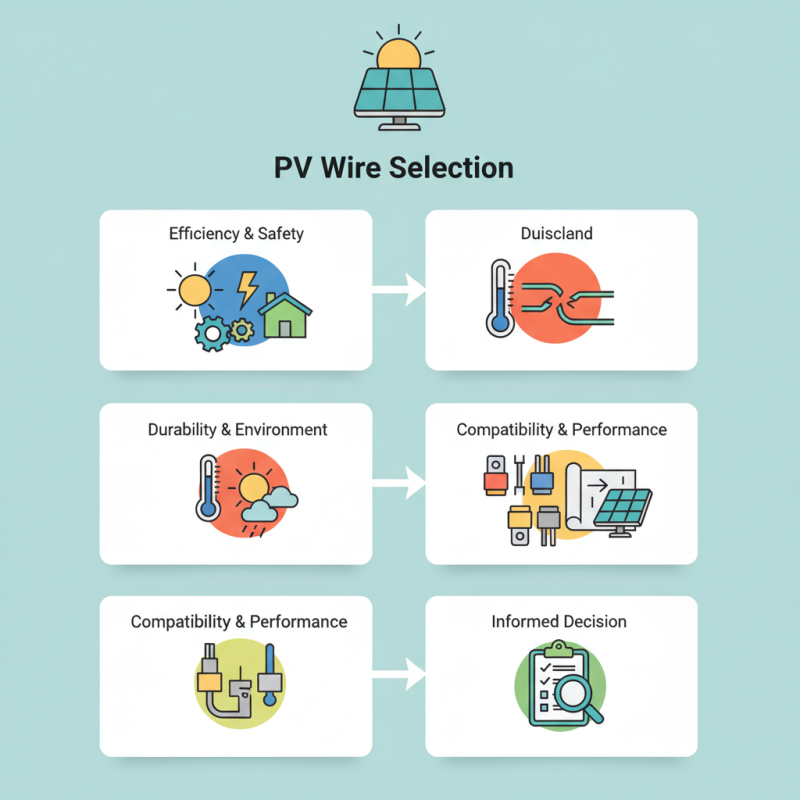
Choosing the right PV wire for solar projects is crucial for efficiency and safety. PV wire is designed to withstand harsh environmental conditions, ensuring durability over time. Different installations may require specific wire characteristics. Understanding these needs can prevent costly issues down the line.

The right PV wire supports optimal energy transfer, reducing power loss. Not selecting the appropriate wire can lead to overheating or system failures. This factor emphasizes the importance of quality and compatibility with various components.

It is essential to consider the installation environment as well. For instance, some areas have extreme temperatures or exposure to sunlight. Each aspect of the chosen PV wire can impact the overall performance of the solar system. By reflecting on these details, you can make a more informed decision for your project.
How to Choose the Right PV Wire for Your Solar Projects?

Understanding PV Wire: Types and Specifications

When selecting PV wire for solar projects, it's crucial to understand its types and specifications. PV wire is designed to withstand outdoor conditions. It is typically durable and resistant to extreme temperatures and UV radiation. You can find various options, each with distinct specifications that affect performance.

Two common types of PV wire are PV1-F and PV2-F. The first is often used for module connections. Its flexibility helps during installation. PV2-F, however, offers higher resistance to fire, which can be beneficial in certain environments. Each type has particular attributes catering to different project needs. Understanding these attributes is important for a successful installation.

Moreover, pay attention to wire gauge. It affects conductivity and voltage drop. A lower gauge means thicker wire, which can handle more current. Improper wire selection may lead to overheating or energy loss. Testing and validation of the chosen wire can ensure reliability. Always consult with professionals when in doubt about your choices.

How to Choose the Right PV Wire for Your Solar Projects?

Wire Type Voltage Rating (V) Temperature Rating (°C) Conductor Material Wire Gauge (AWG) Applications
PV1-F 600 90 Copper 14 Solar panel connections
PV Wire 2 1000 90 Copper 12 Utility scale solar
PV Wire 3 600 90 Bare Copper 10 Rooftop installations
PV Wire 4 1000 90 Aluminum 8 Commercial solar farms

Key Factors to Consider When Selecting PV Wire

How to Choose the Right PV Wire for Your Solar Projects?

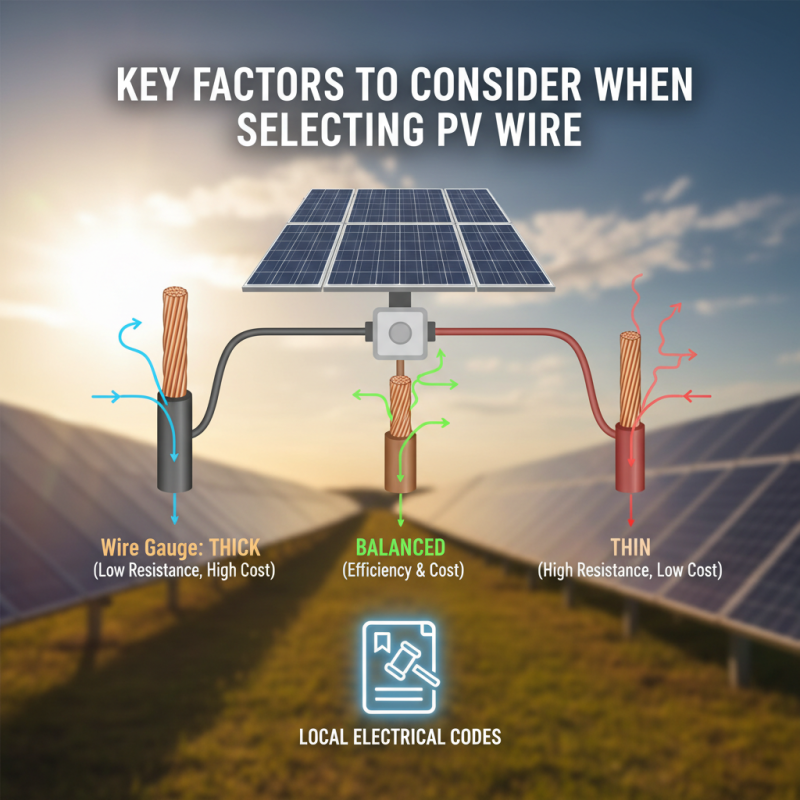
When selecting PV wire for solar projects, a few key factors stand out. Wire gauge is crucial; it influences power transmission and voltage drop. Thicker wires generally reduce resistance but are heavier and pricier. You must strike a balance between efficiency and cost. Always refer to local electrical codes to guide your gauge choice.

Temperature rating is another important aspect. PV wires often encounter high heat and cold. Insulation must withstand these extremes. Look for wires rated for high temperatures, ideally above 90°C. Not meeting these ratings could lead to early failures.

Consider the installation environment as well. Coastal areas may require corrosion-resistant wires due to salt exposure. If you're in a windy region, securing the wire properly is vital. Even the best wire won't perform well if improperly installed. Reflect on your project’s specific conditions. Going the extra mile in selection can improve reliability long-term.

Temperature Ratings and Their Impact on PV Wire Choices

Choosing the right photovoltaic (PV) wire for solar projects involves careful consideration of temperature ratings. Temperature can significantly affect wire performance and longevity. High temperatures can lead to insulation degradation, while low temperatures may make the wire more brittle. Understanding these factors is crucial for ensuring the reliability of a solar installation.

Temperature ratings guide wire selection. Wires should be rated for the highest temperatures they will face. For instance, wires rated at 90°C are suitable for most installations. However, extreme climates may require wires with higher ratings. Ignoring temperature can result in failures or reduced efficiency over time.

While technical specifications are essential, real-world conditions may vary. Users should evaluate local weather patterns. Installation environment, such as rooftop versus ground-mounted setups, can also impact temperature exposure. Reflecting on these elements is necessary to optimize wire selection for specific projects.

Environmental Considerations for PV Wire in Solar Installations

When selecting PV wire for solar installations, environmental impacts are crucial. UV exposure can degrade wire performance over time. Choosing wires with excellent UV resistance is essential for long-term reliability.

Tips: Look for rated wires that resist weathering and chemicals. They should endure harsh conditions, especially in outdoor settings.

Wire thickness matters too. Thicker wires may handle higher current loads but can also be heavy and expensive. Assess your project's specific needs carefully and ensure the chosen wire matches those requirements.

Tips: Don’t overlook local climate variations. Materials may behave differently under high humidity or extreme temperatures.

It’s vital to evaluate recycling options when disposing of old wires. Consider options that minimize waste. A well-informed choice can enhance the sustainability of the entire solar system.

Safety Standards and Certifications for PV Wire Selection

How to Choose the Right PV Wire for Your Solar Projects?

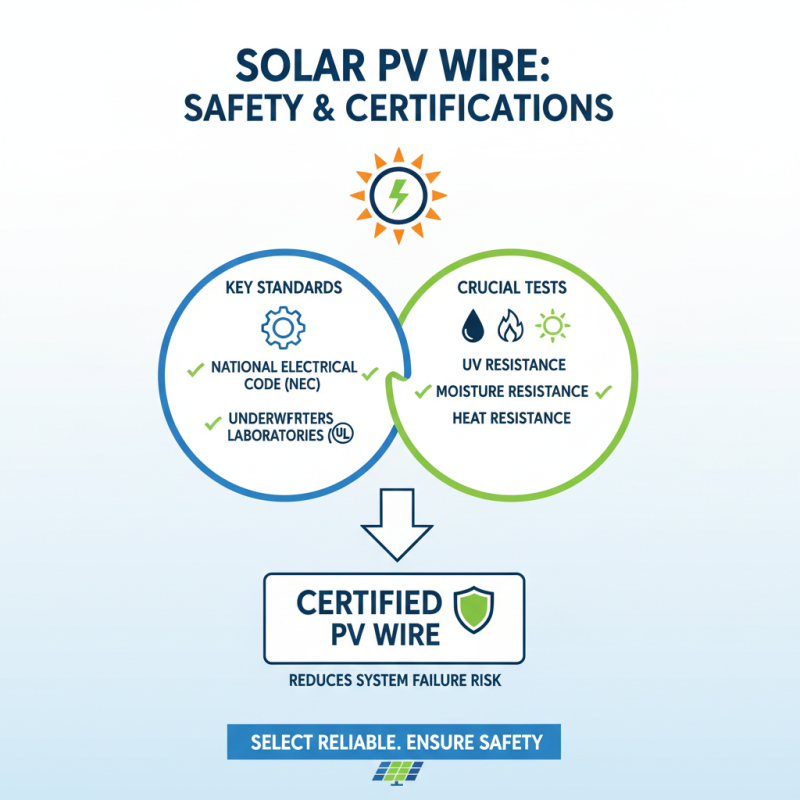
When selecting PV wire for solar projects, safety standards play a crucial role. Various certifications ensure that the wire can withstand harsh environmental conditions. The National Electrical Code (NEC) and Underwriters Laboratories (UL) are two key standards. They specify tests for resistance to UV radiation, moisture, and heat. A reliable source notes that using certified PV wire significantly reduces the risk of system failure.

Tip: Always check for UL 4703 certification. This certification indicates that the wire meets necessary safety standards. Using certified products minimizes potential hazards.

Another important aspect is understanding the wire's temperature rating. High-quality PV wires often have a rating of 90°C or higher. This allows them to perform well under intense sunlight conditions. Data from SolarPower Europe reveals that inadequate temperature ratings contribute to equipment failure in over 15% of installations.

Tip: Consider local climate conditions when choosing wire. It may affect the performance and longevity of your solar system. Quality wire can be an investment that pays off in stability and safety.

Always be cautious. Choose products based on proven standards. This ensures a safer and more efficient solar energy system.