How to Implement Large Scale Solar Energy Solutions Efficiently
As the world shifts towards sustainable energy, large scale solar solutions have become crucial. Dr. Emily Simmons, a leading expert in solar energy, has remarked, "Efficient implementation of large scale solar can revolutionize our energy landscape." This statement highlights the transformative potential of solar energy when effectively harnessed.
The integration of large scale solar projects faces several challenges. Identifying optimal locations for installations is vital. Local climates and geography significantly influence energy output. Furthermore, regulatory hurdles can delay project initiation. Each project must navigate these complexities to become viable. The success of such initiatives depends on careful planning and community engagement.
Reflecting on past solar implementations reveals areas for improvement. Some projects have faced cost overruns or compatibility issues with the grid. Learning from these experiences can enhance future efforts. Ultimately, embracing innovation and community involvement will drive the success of large scale solar solutions. They hold the promise of a cleaner, more sustainable energy future.
Understanding the Basics of Large Scale Solar Energy Solutions
Large scale solar energy solutions have emerged as a critical component in the transition to sustainable energy sources. According to the International Renewable Energy Agency (IRENA), solar power capacity has grown over 20% annually for the past decade. Despite this impressive growth, challenges persist in achieving efficiency during implementation.
One prominent issue is land use. Large solar farms require significant acreage, which can lead to disputes over land rights and ecological concerns. A report by the National Renewable Energy Laboratory (NREL) indicates that optimizing land use can reduce conflicts. Innovative strategies like dual-use systems, which integrate agriculture and solar panels, are gaining traction. Yet, implementation often lacks coordination among stakeholders.
Another aspect to consider is grid integration. A study from the U.S. Department of Energy (DOE) revealed that as solar power increases, grid reliability can be compromised. Energy storage solutions, like batteries, are crucial. However, high costs and limited availability can hinder their deployment. Scrutinizing the balance between investment and return continues to be a dilemma for many projects. Overall, while substantial progress has been made, significant reflection is necessary to address these challenges effectively.
Solar Energy Capacity by Source (2023)
Key Components of Effective Solar Energy System Design
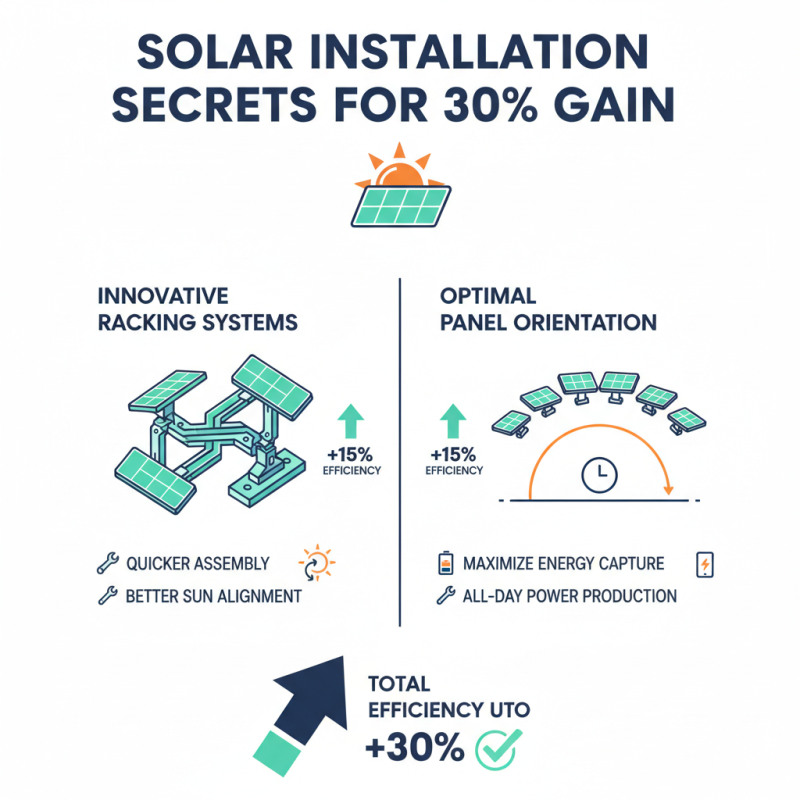
Designing an effective solar energy system requires careful consideration of several key components. The solar panels themselves are critical. According to the National Renewable Energy Laboratory, improved efficiency can increase energy output by 20% or more. Choosing high-efficiency panels can maximize energy harvest.
Inverters play a vital role as well. They convert DC to AC power. A mismatch in inverter capacity can lead to energy losses. Research indicates that using advanced inverters can enhance system performance by up to 30%. Meanwhile, energy storage solutions, such as batteries, are becoming essential. They can help store excess energy for later use, ensuring reliability even during cloudy days.
However, challenges remain. Installation locations must be optimized, as poor site selection can hinder output. For example, shaded areas can reduce performance significantly. System maintenance is another concern. A lack of regular upkeep can lead to decreased efficiency over time. Overall, while the potential of solar energy is vast, achieving optimal performance requires ongoing reflection and adjustment in the design and operation phases.
Site Selection and Preparation for Solar Energy Projects
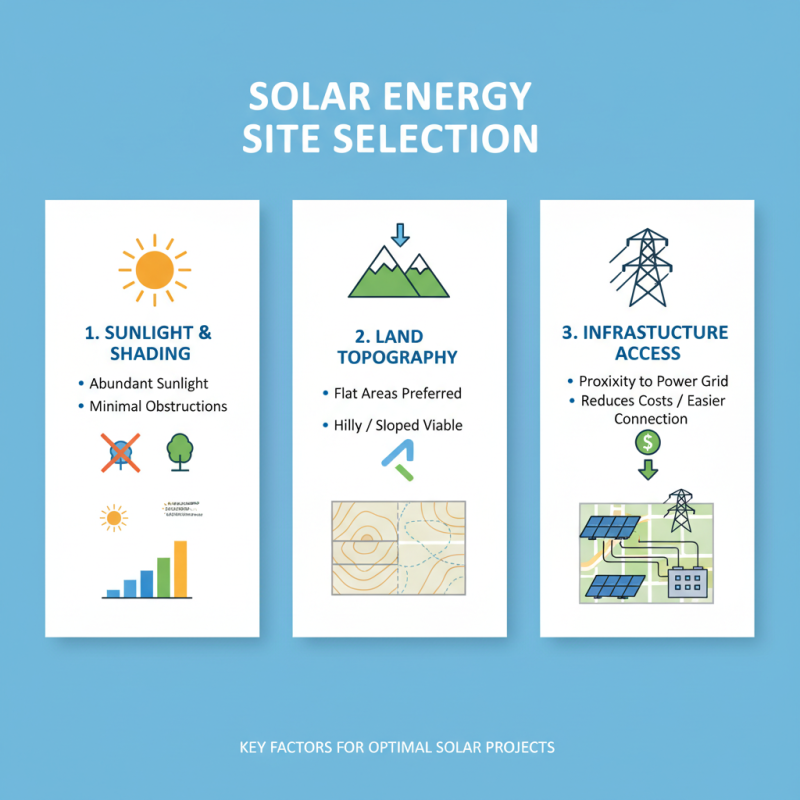
Site selection is crucial for solar energy projects. The ideal locations often have abundant sunlight and minimal shading. Assessing land topography is vital. Flat areas are preferred, but hilly regions can also be viable. Proximity to existing infrastructure should be considered. Access to power lines can reduce costs.
Land use impacts must also be reviewed. Agricultural land may face opposition from local farmers. Environmental impacts must be evaluated too. Wildlife habitats should be preserved where possible. Some sites may require mitigation strategies, which can be time-consuming.
Preparing the site involves clearing vegetation and leveling the ground. This process can disrupt local ecosystems, raising concerns. Soil stability is another factor to assess. If poor, it can lead to additional costs and project delays. It's essential to have a plan for these challenges, though they can be unpredictable. Input from local communities may reveal hidden issues. Engaging stakeholders will improve project acceptance but can complicate timelines.
Integrating Solar Solutions with Existing Energy Infrastructure
Integrating solar solutions with existing energy infrastructure can be both challenging and rewarding. Many regions already have established grids that generate power primarily from fossil fuels. Transitioning to solar energy requires careful planning and innovative thinking. One significant hurdle is the compatibility of solar systems with current technology. Different energy sources must work together seamlessly.
A successful integration involves assessing power demands and resource availability. Solar energy can be intermittent, especially during overcast days or at night. This unreliability needs addressing. Energy storage solutions, like batteries, play a crucial role here. However, storage technology is still evolving. Costs and efficiency present barriers that require attention.
Collaborating with energy companies can offer insights into existing systems. Utilizing data analytics helps in predicting energy usage patterns. This promotes more effective energy distribution. However, adapting current infrastructure comes with its own set of challenges. Resistance to change and the initial costs can hinder progress. Reflection on these obstacles is essential. Shifting to solar energy is not just about technology; it's also about restructuring mindsets.
How to Implement Large Scale Solar Energy Solutions Efficiently - Integrating Solar Solutions with Existing Energy Infrastructure
| Aspect |
Description |
Benefits |
Challenges |
| Site Assessment |
Evaluating potential solar sites for installation. |
Maximizes solar energy capture. |
Requires detailed geographic analysis. |
| Technology Integration |
Combining solar panels with existing grid systems. |
Improves energy reliability and efficiency. |
Compatibility issues can arise. |
| Regulatory Compliance |
Meeting local and national solar energy regulations. |
Ensures lawful operation. |
Complex regulations vary by region. |
| Financial Analysis |
Evaluating costs versus benefits of solar installation. |
Identifies cost-saving opportunities. |
Initial costs may be high. |
| Community Engagement |
Involving local stakeholders in solar projects. |
Enhances public support and investment. |
Potential opposition from residents. |