2026 How to Implement Large Scale Solar Projects Successfully?
As the world pivots towards renewable energy, large scale solar projects are at the forefront. Experts recognize their potential to transform our energy landscape. Dr. Emily Carter, a leading figure in solar technology, once noted, "Successful large scale solar projects hinge on meticulous planning and stakeholder engagement."
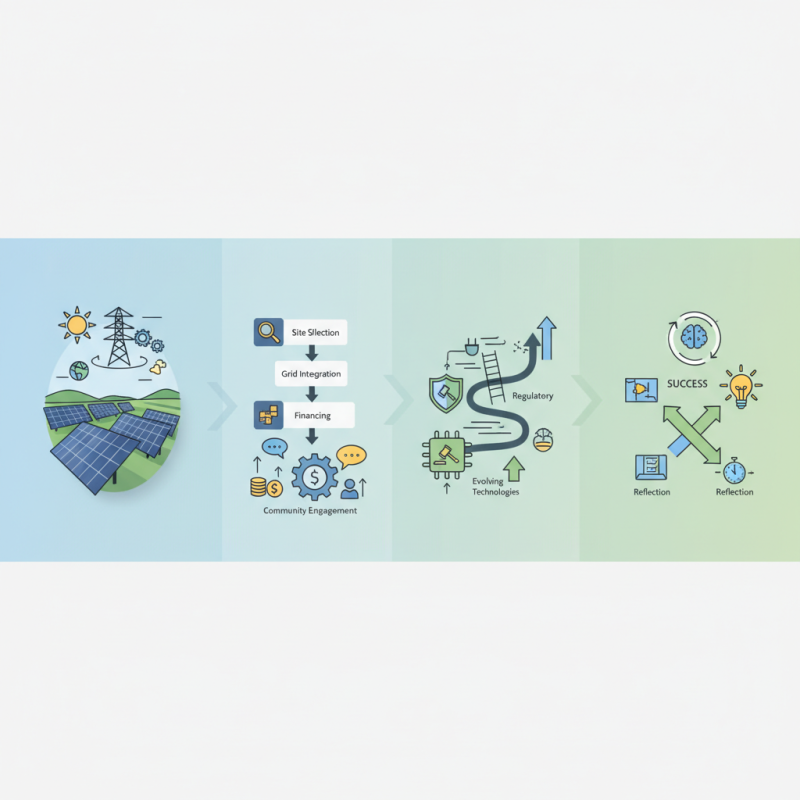
Implementing large scale solar is not without its challenges. Issues such as site selection, grid integration, and financing must be addressed. Each project demands a tailored approach. Communities must be involved in the planning process. Their insights can lead to more effective outcomes.
Yet, even with expert knowledge, obstacles remain. Regulatory hurdles can delay projects significantly. Additionally, adapting to evolving technologies is crucial. Companies should prioritize continuous learning and adaptation to navigate the rapidly changing landscape. Success in large scale solar requires both ambition and careful reflection on past efforts.
Understanding the Fundamentals of Large Scale Solar Projects
When considering large-scale solar projects, understanding the fundamentals is crucial. Starting with a clear site analysis can save time and resources. Assess the land’s solar potential, soil quality, and proximity to power grids. These factors impact both installation and long-term performance.
**Tips**: Conduct a thorough environmental impact assessment early on. Engaging with local communities fosters trust. Addressing their concerns is essential for smooth project progression.
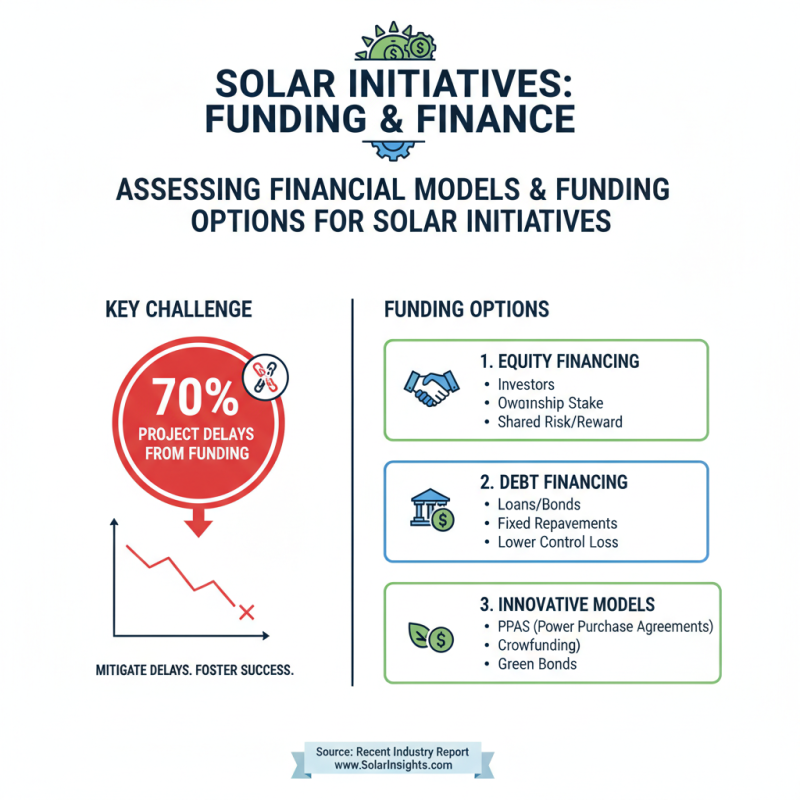
Financing is another pillar of success. Diverse funding sources, including grants and private investment, can mitigate financial risks. Prepare detailed forecasts to demonstrate profitability. This transparency attracts investors and partners.
**Tips**: Building a strong project team with solar experience is vital. Each member brings unique insights. Regularly review project milestones to identify areas for improvement. A project’s adaptability often dictates its success.
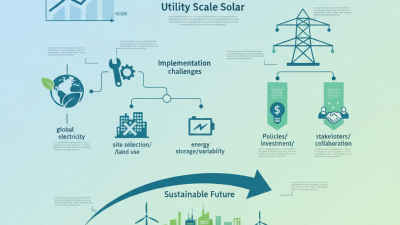
2026 Projected Growth of Large Scale Solar Capacity (GW)
Navigating Regulatory Frameworks and Permitting Processes
Navigating regulatory frameworks and permitting processes is critical for the success of large-scale solar projects. According to a report by the International Energy Agency, approximately 30% of project delays arise from permitting issues. Understanding local, regional, and national regulations is essential for timely project execution. Each jurisdiction may impose unique requirements, making it vital for developers to invest time in research and compliance.
Projects often face unexpected challenges during the permitting phase. These can include unexpected environmental assessments or community consultations. Engaging with local stakeholders early can help mitigate potential backlash. Being transparent about project impacts fosters trust and collaboration. This approach can significantly streamline the permitting process and reduce the risk of costly delays.
Tips: Start with a thorough assessment of all applicable regulations. Create a timeline that includes all necessary permits and approvals. Regularly review this plan to adapt to any changes. Gather community feedback and address concerns proactively to enhance project acceptance. Documenting each step is critical for future reference and improvement. Remember, the permitting journey can be a complex maze, but navigating it efficiently is key to successful implementation.
Identifying Optimal Locations and Site Selection Criteria
When planning large-scale solar projects, selecting the right locations is crucial. Ideal sites should have ample sunlight, low shading, and appropriate land conditions. The geographical terrain impacts solar energy generation. Flatland is typically preferred, but hilly areas with proper solar tracking systems can still be viable.
Infrastructure plays a significant role in site selection. Proximity to existing power lines can reduce costs. Accessibility for construction and maintenance is essential. Not all areas can accommodate solar farms, and it’s important to evaluate ecological impacts. Wetlands or habitats may have restrictions.
Community acceptance cannot be overlooked. Engaging local stakeholders is vital for gaining support. Resistance from nearby residents can derail projects. Conducting thorough environmental and social assessments helps build trust. It’s a process that requires balance. Adapting to unforeseen challenges is part of implementing solar projects efficiently.
Developing Effective Project Management and Execution Strategies
Effective project management in large-scale solar projects is crucial for success. A clear timeline is vital. Break down the project into phases. Each phase should have specific goals. Team roles must be well-defined. This clarity helps in accountability and progress tracking.
Communication is key in execution. Regular updates keep all stakeholders informed. Utilize technology for reporting and documentation. Clear communication reduces misunderstandings. However, misalignment can still happen. Reflective practices can help in addressing these issues promptly.
Budgeting and resource allocation require diligence. Cost overruns can derail a project. Continuous monitoring of expenditures is necessary. Be open to revisiting resource needs. Sometimes unexpected challenges arise. Flexibility in plans may lead to better outcomes. Balancing diligence with adaptability can enhance project execution quality.