How to Implement Large Scale Solar Solutions for Sustainable Energy
The transition to sustainable energy is critical in combating climate change. One effective solution is large scale solar. According to the International Renewable Energy Agency (IRENA), solar energy could power over 11 billion people by 2050, significantly reducing carbon emissions. Yet, implementation challenges remain.
Dr. Michael Green, a leading expert in renewable energy, states, "Large scale solar projects need careful planning to truly benefit our environment." This reflects the complexity involved in deploying such technologies. Factors like land use, funding, and public acceptance can hinder progress.
Moreover, many regions still lack the infrastructure for large scale solar adoption. As the industry grows, the need for innovative strategies increases. Collaboration between governments, businesses, and communities is essential. Without it, the potential of large scale solar may not be fully realized, leaving us to ponder missed opportunities for sustainable energy.

Identifying Suitable Locations for Large Scale Solar Installations
Identifying suitable locations for large-scale solar installations is crucial for effective energy transition. Open land with minimal shading is ideal. Areas with high solar insolation months of the year maximize efficiency. Urban spaces can also be tapped, though they may require creative solutions.
Furthermore, proximity to existing power infrastructure can ease energy distribution. Sites near power lines allow for quicker grid connectivity. However, environmental impacts must be considered. In some cases, valuable ecosystems may be compromised. This raises critical concerns about balancing energy needs with habitat preservation.
Community acceptance is also a key factor. Local opinions can influence project success. Engaging with residents early in the planning process can help address concerns. However, projects may still face opposition despite best efforts. It’s essential to remain adaptable and open to feedback throughout the implementation phase.
Evaluating Technology Options for Efficient Solar Energy Conversion
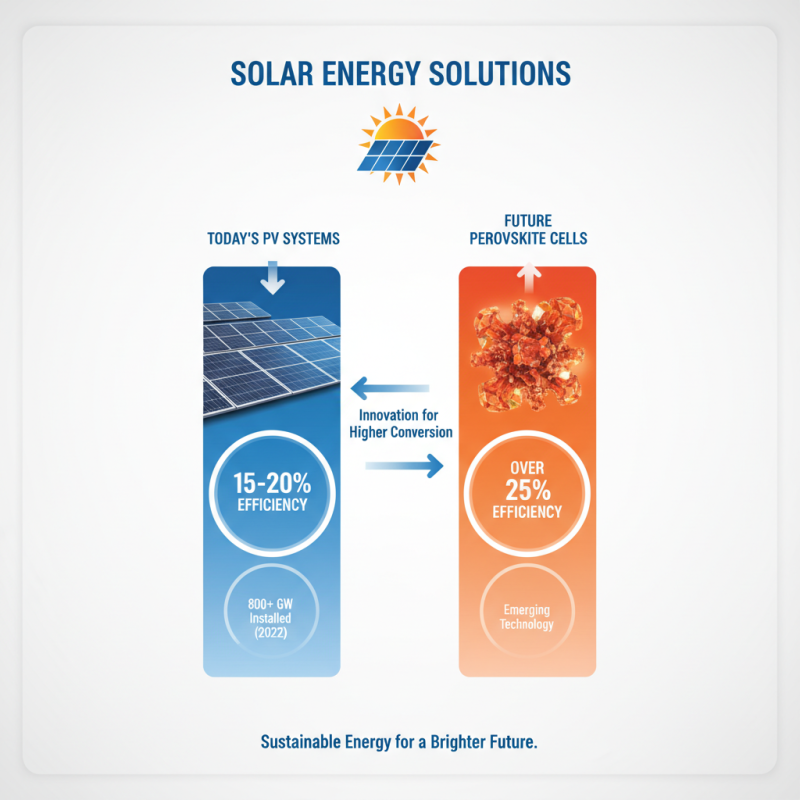
Solar energy is a vital solution for sustainable energy needs. When assessing technology options for efficient solar energy conversion, one must consider various factors. Photovoltaic (PV) systems dominate the market, with global installations reaching over 800 GW by 2022. However, efficiency levels typically vary, with most commercial panels converting about 15-20% of sunlight into electricity. Emerging technologies, such as perovskite cells, show promise. These could potentially achieve over 25% efficiency soon.
Tips: Always compare efficiency ratings before purchasing solar panels. Look for performance guarantees.
Batteries are another key component for solar systems. As per recent studies, energy storage systems can enhance solar efficiency by up to 30%. However, the cost can be prohibitive. Some homeowners hesitate to invest due to the high upfront costs, even with long-term savings in mind. It’s crucial to evaluate both the initial investment and the return over time.
Tips: Calculate the total cost of ownership. Focus on long-term savings, not just upfront costs.
The integration of solar solutions requires thoughtful planning. Geographic location impacts sunlight availability. Poorly placed systems may underperform. Therefore, a site assessment is essential. Many projects falter due to inadequate planning, leading to unexpected costs. Work with experts who can provide realistic expectations and designs for your location.
Developing Infrastructure to Support Solar Energy Delivery and Storage
Implementing large-scale solar solutions requires a solid infrastructure for energy delivery and storage. This is crucial to ensure reliable energy supply. Solar panels can produce excess energy during peak sunlight. However, the challenge lies in storing this energy effectively. Creating efficient storage systems is essential for use during low production periods.
Investing in battery technologies can help store energy for later use. Smart grid solutions can also enhance energy distribution. They allow for real-time monitoring. However, challenges still exist. Infrastructure can be expensive and slow to develop. Local governments may face resistance from communities. Engaging them early in the planning process is vital.
Tips for effective infrastructure development involve collaboration among stakeholders. Work with local utilities and policymakers to address concerns. Testing pilot projects can reveal potential pitfalls. Don't overlook maintenance needs; aging infrastructure can lead to failures. Tracking energy production and consumption data helps improve efficiency. It is an ongoing process, requiring constant adjustments and reflections to meet evolving energy demands.
How to Implement Large Scale Solar Solutions for Sustainable Energy
| Dimension |
Measurement |
Value |
Unit |
| Average Solar Radiation |
Daily Solar Exposure |
5 |
kWh/m² |
| Solar Panel Efficiency |
Percentage of Conversion |
18 |
% |
| Energy Storage Capacity |
Total Installed Storage |
500 |
MWh |
| Cost of Solar Installation |
Cost per Watt |
2.5 |
USD/Watt |
| Carbon Offset |
Annual Reduction |
2000 |
tons CO2/year |
| Installation Time |
Project Setup Duration |
6 |
months |
Creating Policy Frameworks to Encourage Solar Energy Adoption
Creating effective policy frameworks is crucial for promoting solar energy adoption. Reports indicate that the solar market could grow to over $200 billion by 2026. However, this potential won't be realized without supportive policies. Clear regulations and incentives can guide investments toward solar technology. A recent study found that regions with strong government backing saw a 50% increase in solar installations.
Many areas still face significant hurdles. Lack of financial incentives often slows down solar projects. In 2022, only 30% of intended solar proposals were funded due to regulatory challenges. Simplifying permitting processes can play a role in improving this situation. Additionally, educating communities about the benefits of solar energy can drive more public interest and support.
Initiatives like tax credits and grants have shown promise. Yet, they need refinement and clear communication. Current policies often forget underserved populations. When policies are not inclusive, certain communities may feel overlooked. Addressing this gap is essential for achieving equitable solar energy growth across all demographics.
Building Community Engagement for Sustainable Solar Solutions
Community engagement is vital for successful large-scale solar projects. When people feel involved, they are more likely to support initiatives. Hosting open forums can build trust. Allow community members to voice concerns and ideas. Transparency in communication fosters collaboration.
Tips: Create a regular newsletter. Share updates on the project. Address local impacts openly. This can enhance community relations and attract more supporters.
Individuals often have misconceptions about solar energy. Addressing these is crucial. Informing the community about the benefits can shift mindsets. Workshops can educate residents on solar technology and its environmental impact. Use local examples to illustrate benefits.
Remember to be patient. Not everyone will be convinced immediately. Some may question the project's sustainability. Engaging with skeptics can lead to meaningful conversations. Listening is just as important as speaking.
Community Engagement in Solar Solutions