Why Choose Large Scale Solar for Sustainable Energy Solutions?
In the quest for sustainable energy solutions, large scale solar stands out as a vital player. According to Dr. Emily Rivers, a leading expert in renewable energy, "Large scale solar has the potential to power entire cities sustainably." This statement emphasizes the transformative impact of solar energy at a larger scale.
The rapid growth of the large scale solar industry reflects its effectiveness in meeting energy demands. As traditional energy resources dwindle, reliance on sun-powered solutions becomes imperative. Large scale solar installations harness sunlight efficiently, significantly reducing carbon emissions.
However, challenges persist. Some regions face land use conflicts. Others struggle with integrating solar power into existing grids. Addressing these issues requires innovative approaches and collaborative efforts. Ultimately, embracing large scale solar is not just a choice but a necessary step towards a sustainable future.
Benefits of Large Scale Solar Energy for Sustainable Development
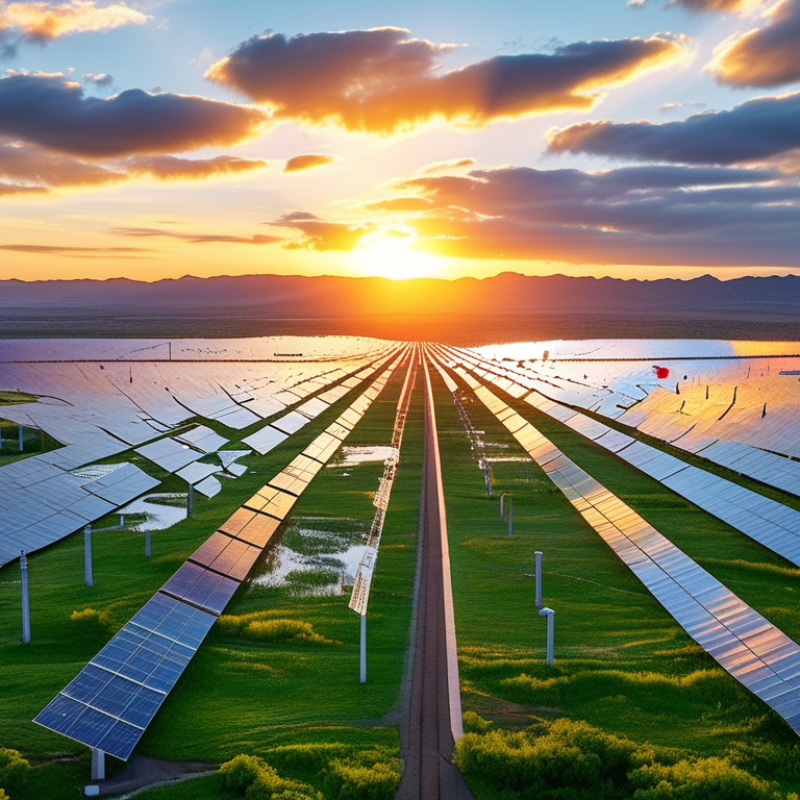
Large scale solar energy systems present significant advantages in the quest for sustainable development. They harness solar radiation efficiently, turning sunlight into electricity. This conversion reduces reliance on fossil fuels, lowering greenhouse gas emissions. In many regions, solar installations take advantage of large, unused land areas. Using this space for energy production is a smart choice for many countries.
Financially, large scale solar projects can lead to lower energy costs. They benefit from economies of scale. This means that producing electricity on a large scale often results in cheaper energy pricing. However, the initial investment can be high. Local governments may need to incentivize these projects to ensure their feasibility. Collaboration between stakeholders is crucial for success.
While many benefits exist, challenges remain. Integration with existing power grids can be complex. Additionally, there are environmental concerns related to land use. Measures must be taken to minimize impacts on local ecosystems. Transparency about these issues can encourage public trust. Engaging communities is essential for promoting acceptance and ensuring a sustainable future.
Comparative Analysis: Large Scale Solar vs. Other Renewable Energy Sources
Large scale solar energy presents a compelling alternative in the renewable energy sector. According to the International Energy Agency (IEA), solar energy could contribute over 20% of the world's electricity by 2040. This statistic highlights its potential when compared to wind or hydroelectric power, which are often limited by geographical constraints. Furthermore, large scale solar farms can produce energy consistently, even in less sunny regions, thanks to advancements in technology.
When analyzing effectiveness, large scale solar systems often achieve lower levelized costs compared to other renewables. A report from Lazard indicates that utility-scale solar has an average levelized cost of energy (LCOE) as low as $36 per megawatt-hour, while offshore wind can cost up to $150 per megawatt-hour. This discrepancy makes solar a more attractive option for large energy consumers.
Tips: Consider local resources when planning solar projects. Be open to mixed-energy setups. Regular maintenance can enhance output and efficiency, ensuring optimal performance over time.
Why Choose Large Scale Solar for Sustainable Energy Solutions? - Comparative Analysis: Large Scale Solar vs. Other Renewable Energy Sources
| Energy Source |
Capacity Factor (%) |
Carbon Emissions (gCO2eq/kWh) |
Required Land (acres/MW) |
Cost (USD/MWh) |
| Large Scale Solar |
20-25% |
40-50 |
5-10 |
30-60 |
| Wind Power |
30-40% |
10-15 |
3-6 |
40-70 |
| Hydropower |
35-55% |
1-5 |
1-3 |
30-50 |
| Geothermal |
10-20% |
5-10 |
0.5-2 |
60-120 |
| Biomass |
75-90% |
100-200 |
2-5 |
50-100 |
Economic Impact of Large Scale Solar Investments on Local Communities
Large scale solar investments bring significant economic benefits to local communities. They create jobs during installation and maintenance phases. Local laborers can find work in various roles, boosting local employment rates. In areas with high unemployment, solar projects can be a game-changer. A spike in job availability can revitalize struggling towns.
Moreover, large scale solar farms contribute to local tax revenue. This additional funding can enhance public services such as education and healthcare. Communities often see improvements in infrastructure. However, these developments sometimes lead to debates about land use and ecological impacts. Some residents may feel torn between growth and preservation of their environment.
Local businesses also benefit indirectly from increased activity. Local restaurants and shops see more customers due to solar workers. These benefits aren't without challenge. Not all communities embrace the change, leading to protests or concerns over land disruption. It is crucial to address these issues systematically. Open dialogues can help unite those with differing viewpoints.
Environmental Advantages of Large Scale Solar in Reducing Carbon Footprint
Large scale solar energy projects offer significant environmental benefits. They play a vital role in reducing carbon footprints. By harnessing sunlight, these systems generate clean energy without harmful emissions. This reduces reliance on fossil fuels. As a result, air quality improves, contributing to healthier communities.
A solar farm can produce electricity for thousands of homes. This not only displaces carbon-dioxide emissions but also conserves water. Traditional energy sources consume a substantial amount of water for cooling and processing. Large scale solar installations, however, use minimal water, thus preserving this precious resource.
There are challenges to consider. Land use is a concern, as large installations require significant space. It’s essential to prioritize sites that do not harm natural habitats. The integration of solar power into existing infrastructures can also be complex. Despite these issues, the long-term benefits for the environment remain compelling. Transitioning to large scale solar is a critical step toward sustainable energy solutions.
Technological Innovations Driving Large Scale Solar Energy Efficiency
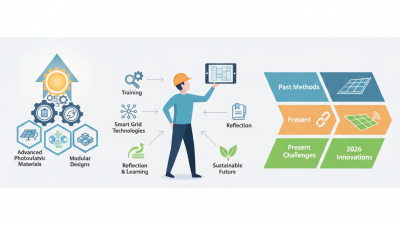
Large scale solar energy is at the forefront of sustainable solutions. One significant driver of this trend is technological innovation. New solar panel designs utilize advanced materials to enhance efficiency. These improvements can increase energy capture even on cloudy days. This means more reliable energy production.
Moreover, energy storage solutions are evolving rapidly. High-capacity batteries allow for energy use at night or during peak demand times. This shift is crucial for maintaining grid stability. However, the recycling of these batteries remains a challenge. It raises questions about the long-term sustainability of these technologies.
Predictive analytics also plays a role. By forecasting energy production, we can optimize storage and distribution. Yet, relying too much on these systems can lead to overconfidence. This emphasizes the need for constant human oversight. As we embrace these advancements, we must remain vigilant and reflective about their impact.