What is PV Installation and How Does It Work?
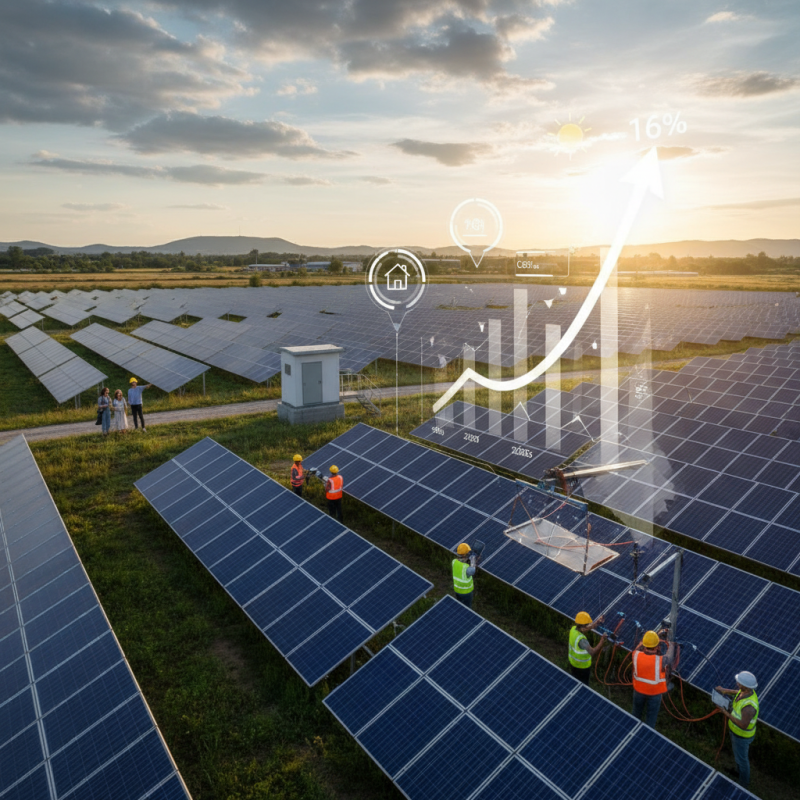
The rise of renewable energy is changing the landscape of power generation. PV installation is at the forefront of this shift. According to the International Energy Agency, solar energy could account for 16% of global electricity by 2025. This trend is driven by technological advancements and decreasing costs.
However, challenges still exist in the field of PV installation. While many regions embrace solar energy, others lag behind due to financial constraints. The Solar Energy Industries Association reported that growth in the U.S. solar market was slowed by economic uncertainties in 2022. Industry players must now focus on innovative financing solutions to enhance accessibility.
Furthermore, public awareness and education remain crucial. Many potential users are unaware of the benefits of PV installation. They may struggle with understanding how this technology functions. Effective outreach and clear information can bridge this gap. As the sector evolves, continual reflection on installation practices is necessary for sustainable growth.
What is PV Installation?
PV installation refers to setting up photovoltaic systems that convert sunlight into electricity. This process involves several stages, from planning to implementation. Homeowners and businesses often choose PV systems to reduce energy costs and environmental impact.
To install a PV system, you need solar panels, inverters, and mounting equipment. Solar panels capture sunlight and convert it into direct current (DC) electricity. The inverter then transforms DC into alternating current (AC) for home use. Proper placement is crucial—shadows from trees or buildings can hinder efficiency.
It’s essential to have a clear understanding of your energy needs. Misjudging system size can lead to energy shortages. Additionally, local regulations may pose challenges. Installation can be complex and may require professional assistance. Investing in a PV system is a long-term commitment, deserving thorough consideration.
Components of a PV System
A photovoltaic (PV) system consists of several key components that work together to convert sunlight into usable electricity. The heart of the system is the solar panel. These panels are made up of silicon cells that absorb sunlight. When sunlight hits these cells, it generates direct current (DC) electricity. This process is simple yet effective, though the efficiency of the panels can vary. Some panels may not perform well in cloudy weather, leading to reduced energy output.
Next, a crucial element is the inverter. This device converts the DC electricity generated by the solar panels into alternating current (AC) electricity, which is used by most home appliances. Without a reliable inverter, the system cannot function properly. Additionally, the inverter can sometimes malfunction, which could disrupt the power supply. Storage solutions, like batteries, are also vital. They store excess energy for later use but can be expensive and may not hold charge efficiently over time.
Wiring and mounting systems connect all components, ensuring that energy flows smoothly. Quality installation is key, yet mistakes can happen, leading to inefficiencies. Proper maintenance is necessary to keep the system in peak condition. Regular checks can identify issues before they escalate. Understanding these components helps in recognizing the challenges and benefits of installing a PV system.
Components of a PV System
This chart illustrates the cost distribution of the main components in a photovoltaic (PV) system, highlighting the investment required for solar panels, inverters, mounting systems, battery storage, and charge controllers.
The Process of Installing PV Systems
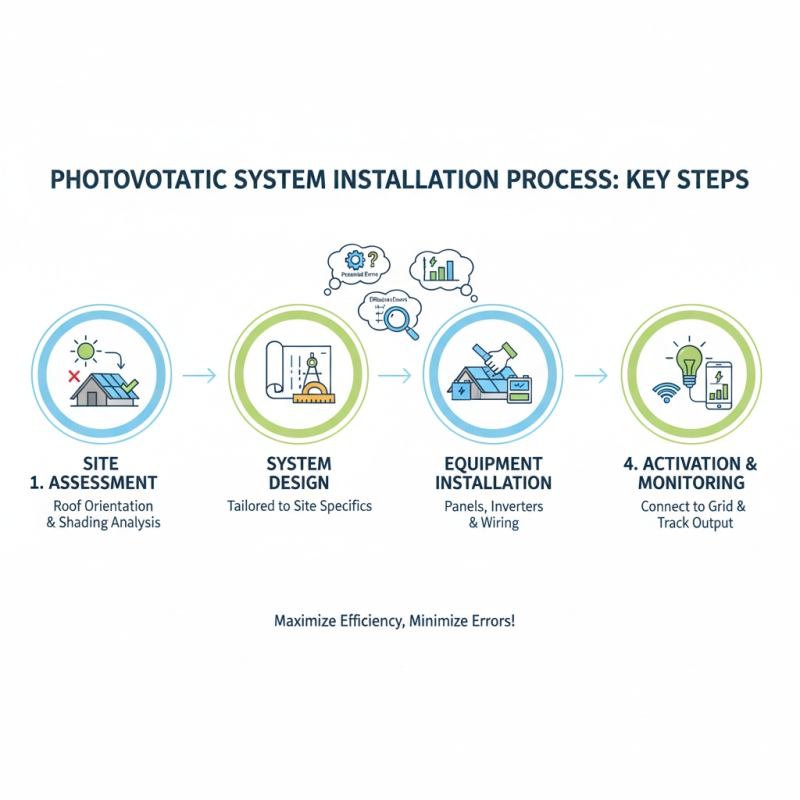
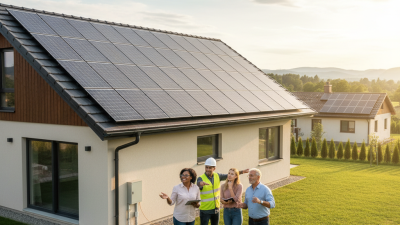
Installing a photovoltaic (PV) system involves several key steps. The process begins with a site assessment. This helps determine the best location for the solar panels. Factors like roof orientation and shading are crucial. Next, an engineer often designs a system tailored to the site’s specifics. This is not a one-size-fits-all approach, and sometimes errors occur in the initial assessment, leading to inefficiency.
Once the design is finalized, installation work can begin. This typically involves mounting the solar panels on a roof or ground structure. Careful handling is necessary; panels are fragile. During this stage, wiring is also installed to connect the panels to the inverter. Mistakes can happen here. Improper connections may lead to performance issues, so attention to detail is vital.
After installation, inspections ensure everything is up to code. In some cases, installations are approved too quickly. This may overlook critical safety measures. Finally, the system is connected to the grid, allowing for energy generation. Proper monitoring must continue post-installation. Some users may find the performance does not meet expectations due to earlier missteps. Regular checks help identify and rectify any issues that arise.
How PV Systems Generate Electricity
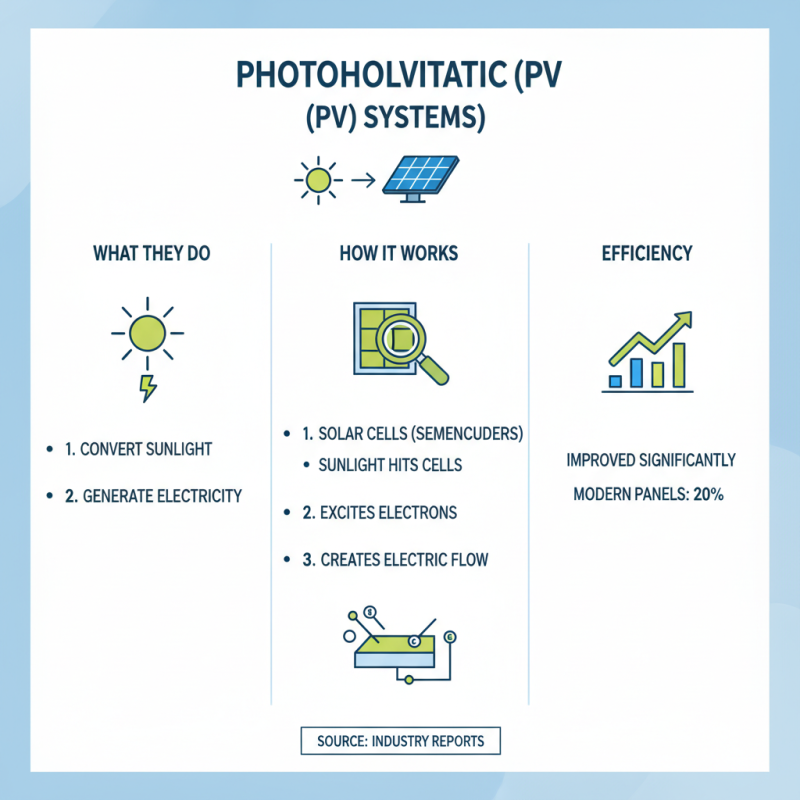
Photovoltaic (PV) systems are becoming increasingly popular. They generate electricity by converting sunlight directly into energy. This process occurs through solar cells made of semiconductor materials. When sunlight hits these cells, it excites electrons, creating a flow of electricity. The efficiency of these systems has improved significantly over the years, with many modern PV panels reaching 20% efficiency or more, according to industry reports.
Moreover, a typical residential PV system can generate 5 to 10 kilowatts of power. This can cover much of a household's energy needs, especially in sunny regions. However, the production of solar energy can be inconsistent. Factors such as weather and location affect output levels. Despite these challenges, the potential for PV systems is immense. In 2022, solar energy accounted for about 20% of new electricity generation capacity in the U.S., as noted by the Solar Energy Industries Association (SEIA).
Consumers must also consider the balance of costs and benefits. Initial installation costs can be high, which may deter some. Yet, incentives and decreasing prices are making solar more accessible. Many individuals report lower utility bills, yet there are still concerns about disposal and long-term sustainability of photovoltaic materials. Balancing these concerns with the advantages is essential for making informed decisions about PV installations.
Benefits and Challenges of PV Installation
Photovoltaic (PV) installation offers various benefits but also comes with challenges. A significant advantage is the reduction in utility bills. When sunlight hits the PV panels, they convert it to electricity. This process leads to lower energy costs over time. Some homeowners even sell excess energy back to the grid, providing additional savings.
However, challenges also exist. The initial cost of installation can be high. Many people struggle to justify the expense. Additionally, not all locations receive enough sunlight to make PV systems effective. It is crucial to evaluate your geographical situation before committing.
**Tip:** Consider financing options to alleviate upfront costs. Research available incentives or tax credits in your area. They can help offset the installation expense.
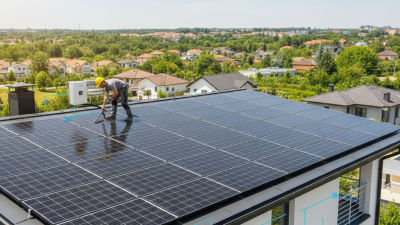
Maintenance is another issue. PV panels require regular cleaning to operate efficiently. Dust and debris can decrease their productivity. Neglecting upkeep leads to lower energy output.
**Tip:** Schedule routine maintenance to maximize your system's efficiency. Regular checks can catch minor issues before they become costly repairs.
What is PV Installation and How Does It Work? - Benefits and Challenges of PV Installation
| Dimension |
Description |
Value |
| Efficiency |
Percentage of sunlight converted to electricity |
15% - 22% |
| Installation Cost |
Average cost per watt installed |
$2.50 - $3.50 |
| Lifespan |
Operational lifespan of PV panels |
25 - 30 years |
| Carbon Offset |
Carbon dioxide emissions offset per year |
1.5 - 2 tons |
| Net Metering |
Credit received for excess energy produced |
Varies by location |
| Maintenance |
Annual maintenance requirements |
Minimal (cleaning, inspections) |
| Government Incentives |
Financial incentives for PV installation |
Tax credits, rebates available |