What is Solar Analysis and How Does It Impact Energy Efficiency?
Solar analysis plays a pivotal role in enhancing energy efficiency. This process involves evaluating solar radiation levels to optimize energy generation. According to the National Renewable Energy Laboratory, effective solar analysis can boost energy output by up to 30%. Such insights are crucial for businesses and homeowners alike.
Expert Dr. Emily Harper emphasizes the importance of solar analysis. She states, “Understanding solar potential is the first step toward maximizing energy efficiency.” This highlights a growing trend within the industry. Companies are increasingly relying on solar analysis to make informed decisions.
There are challenges too. Many small businesses still overlook this vital process. Without proper insights, they miss opportunities for improvement. It is essential to reflect on the importance of thorough solar analysis. By embracing this approach, the path to energy efficiency becomes clearer.
What is Solar Analysis?
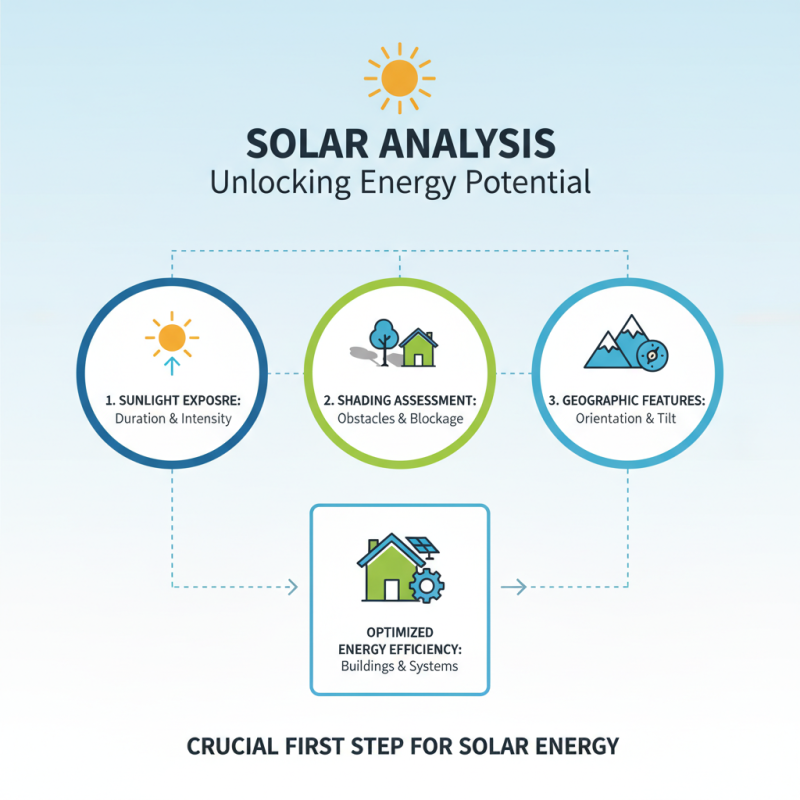
Solar analysis is the method of assessing solar energy potential for a specific site. It involves examining factors like sunlight exposure, shading, and geographic features. Understanding these details helps in optimizing energy efficiency for buildings and systems. If you're considering solar energy, this analysis is a crucial first step.
Tips: Start by evaluating your roof's orientation. South-facing roofs often capture more sunlight. This can significantly increase solar energy absorption. Gather data on your local climate. Weather patterns can influence the effectiveness of solar installations.
Moreover, analyze how nearby buildings and trees affect sunlight. Even small obstacles can create shade, reducing energy production. In some cases, a great location may not yield the best results due to unexpected shade. This reflection is part of the process.
Tips: Conduct a seasonal analysis. Solar exposure can change throughout the year. Plan for peak production times to maximize efficiency. Be open to adjustments as needed; every site has unique parameters.
The Importance of Solar Analysis in Energy Efficiency
Solar analysis plays a vital role in maximizing energy efficiency. It examines how sunlight interacts with buildings and landscapes. By evaluating solar access, shadows, and orientation, one can make informed decisions about energy use. This analysis helps in optimizing solar panel placements and enhancing natural light usage.
Consider these tips for effective solar analysis:
- Assess your location's sun path throughout the year.
- Use shading devices that complement your analysis findings.
- Monitor energy consumption to identify areas for improvement.
Incorporating solar analysis can lead to significant savings. However, it’s not always straightforward. Some variables, such as changing weather patterns, can affect energy predictions. Achieving optimum efficiency may require ongoing adjustments. Regularly revisit your analysis for better results. Engaging in this practice encourages a deeper understanding of energy habits.
Methods for Conducting Solar Analysis
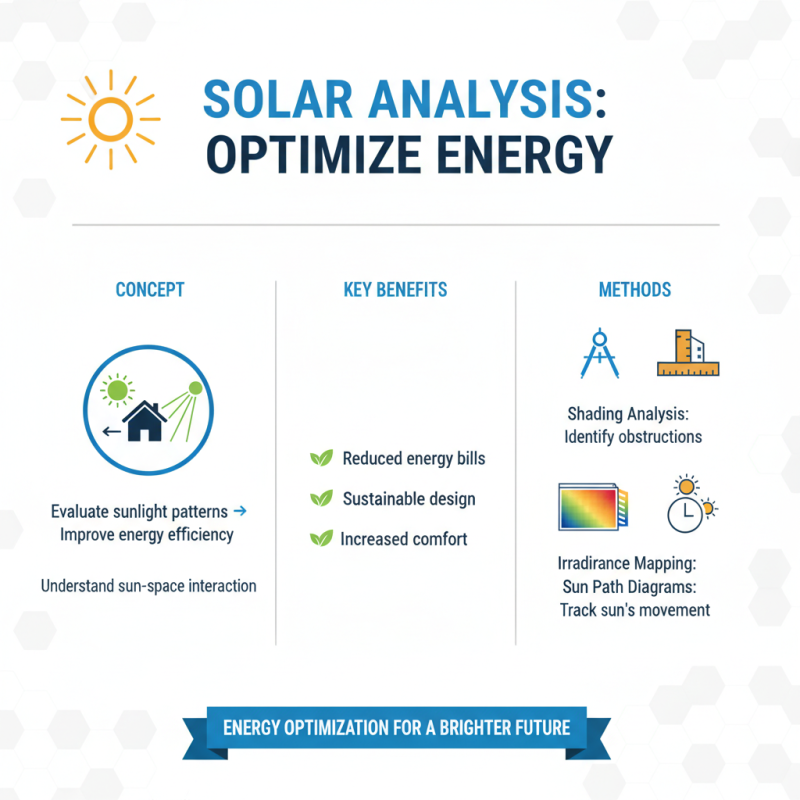
Solar analysis involves evaluating sunlight patterns to optimize energy use. By understanding how sunlight interacts with a space, we can improve energy efficiency. Various methods exist for conducting solar analysis, each offering distinct insights.
One common method is solar mapping. This technique uses geographic information systems (GIS) to visualize solar potential. According to a report from the National Renewable Energy Laboratory, more than 80% of rooftops in urban areas have the potential for solar installation. However, simply installing solar panels isn't enough. Analyzing shading and sun exposure throughout the year is crucial.
Another approach is simulation modeling. This method predicts energy production based on solar irradiance data. Tools like the PVWatts Calculator provide insights into expected energy generation. Data suggests that efficient solar analysis can increase energy savings by 30-50%. Yet, small errors in data collection can lead to inaccurate assessments, requiring adjustments in planning.
On-site assessments complement these methods. They involve the direct study of a property’s solar access, considering factors like adjacent buildings or trees. While this approach offers tangible benefits, it can be resource-intensive. Balancing accuracy with efficiency is often a challenge.
Key Metrics in Solar Analysis for Energy Performance
Solar analysis is crucial for optimizing energy efficiency. It involves assessing solar potential using several key metrics. Among these metrics are solar irradiation, shading analysis, and orientation. Each plays a significant role in how much solar energy can be harnessed.
Understanding solar irradiation is essential. This metric measures the amount of solar power received on a given surface area. More sunlight equals greater energy potential. Consider the location carefully. Urban areas can cast shadows that affect sunlight. A well-planned solar setup can minimize this issue.
Tip: Evaluate your roof's angle. Certain angles catch more sun. A simple tilt can enhance performance significantly. Shading analysis identifies obstacles like trees or buildings. Addressing these issues can improve energy capture.
Another important metric is orientation. The direction your solar panels face impacts efficiency. South-facing panels often receive the most sunlight. It's worth considering this aspect when designing a solar system.
Tip: Use tools to simulate sun paths. They can reveal the best panel placement for your property. Reflect on any potential drawbacks in your setup to optimize further. Making minor adjustments can lead to substantial improvements.
What is Solar Analysis and How Does It Impact Energy Efficiency? - Key Metrics in Solar Analysis for Energy Performance
| Metric |
Description |
Value/Example |
| Solar Irradiance |
The power per unit area received from the Sun |
1000 W/m² |
| Energy Yield |
Total energy produced by a solar system over time |
1200 kWh/year |
| Capacity Factor |
Ratio of actual output over a period of time to maximum possible output |
18% |
| System Losses |
Inefficiencies in the solar system that reduce performance |
14% |
| Return on Investment (ROI) |
Profitability of the solar investment over time |
15% over 5 years |
| Payback Period |
Time it takes for an investment to 'pay back' its initial cost |
6 years |
Real-World Applications of Solar Analysis in Building Design
Solar analysis plays a crucial role in building design today. It helps architects and engineers optimize energy efficiency. By understanding sunlight patterns, designers can create more sustainable buildings. In fact, studies indicate that proper solar analysis can enhance energy savings by up to 30%.
Real-world applications of solar analysis are diverse. For instance, in urban settings, careful sunlight tracking informs window placement. This reduces glare and heat gain. A report by the U.S. Department of Energy highlights that buildings designed with solar analysis consume 25% less energy. Yet, some projects overlook this analysis. They end up with inadequate natural lighting and inefficient energy use.
Some designers face challenges. Data can be complex and difficult to interpret. Inexperienced teams may miss out on significant savings. There’s a need for better training and tools. Understanding solar radiation levels is essential. It impacts heating and cooling loads directly. Effective solar analysis reveals hidden opportunities for efficiency that many projects fail to grasp.