Why Are Solar Projects Essential for Sustainable Energy Solutions?
Solar projects play a critical role in creating sustainable energy solutions. According to Dr. Emily Carter, a leading expert in renewable energy, "Investing in solar projects is key to a brighter and cleaner future." Her words highlight the importance of shifting toward renewable energy sources.
Solar energy has immense potential. It reduces our reliance on fossil fuels and lowers greenhouse gas emissions. However, the transition is not without challenges. Many solar projects struggle with funding and infrastructure. These obstacles can slow down progress. Yet, the benefits of successful solar initiatives are undeniable.
Adopting solar projects can transform communities. They create jobs and stimulate local economies. While not all solar farms function perfectly, their potential is vast. The path to widespread solar adoption may require patience and innovation. Embracing these challenges can lead to a more sustainable world.
Importance of Solar Energy in the Transition to Sustainable Energy
The transition to sustainable energy relies heavily on solar energy. In 2022, solar power accounted for approximately 20% of the new electricity generation capacity in the United States, showing significant growth. This shift is crucial as global energy demand continues to rise. According to the International Energy Agency (IEA), solar energy could provide up to 30% of the world's electricity by 2030. This potential indicates the urgent need for larger investments in solar projects.
Solar energy plays a key role in reducing greenhouse gas emissions. Research from the National Renewable Energy Laboratory (NREL) highlights that utilizing solar power can cut emissions by up to 70% in buildings alone. This can lead to cleaner air and help combat climate change. However, the challenge lies in the intermittent nature of solar power, making reliable storage solutions crucial. Progress in battery technology is vital for maximizing the benefits of solar energy.
There are geographical disparities in solar adoption. Some regions enjoy abundant sunlight but lag behind in solar project development. Areas with less solar radiation may need additional support to harness this resource effectively. This inequality poses a question: How can we ensure equitable access to solar technology for all communities? Addressing these gaps is essential in creating a comprehensive approach to sustainable energy solutions.
Key Benefits of Solar Projects for Environmental Sustainability
Solar projects play a vital role in promoting environmental sustainability. They harness sunlight, converting it into renewable energy that reduces reliance on fossil fuels. This shift helps lower greenhouse gas emissions. Cleaner air leads to healthier communities. Solar energy can also mitigate climate change effects, tackling one of the greatest challenges of our time.
Implementing solar projects creates jobs and stimulates local economies. Often, these projects require skilled labor for installation and maintenance. This need fosters a workforce committed to green energy solutions. However, there are challenges, like initial costs and land use considerations. It is essential to balance these factors with long-term benefits.
Tips: Consider community solar initiatives. They can make solar energy accessible to more people. Engaging in local projects fosters sustainability education. Collaboration among community members can amplify impact and awareness. Small steps can lead to significant changes.
Technological Innovations Driving Solar Energy Efficiency
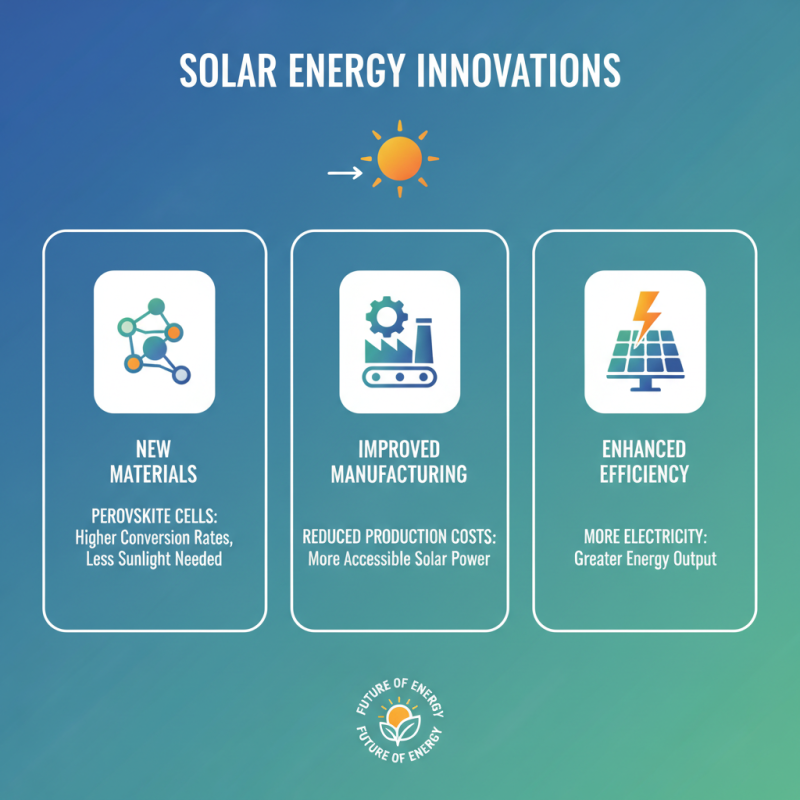
Technological innovations are reshaping the landscape of solar energy efficiency. New materials like perovskite are enhancing conversion rates. These advances promise to create solar panels that can generate more electricity with less sunlight. Improved manufacturing processes have also reduced production costs, making solar energy more accessible.
Additionally, energy storage systems are evolving. Battery technologies now allow excess energy to be stored for later use. This shift mitigates issues with intermittent sunlight and provides a steady energy supply. However, not all regions benefit equally from these innovations. Some areas struggle with outdated infrastructure, limiting their ability to harness modern solar technology effectively.
Furthermore, while these advancements are promising, challenges remain. Adoption rates vary widely, often dependent on policy support and public awareness. Efforts to improve solar efficiency must also consider recycling old panels. The environmental impact of disposal cannot be ignored. Embracing change in solar technology requires deeper reflections on sustainability and long-term planning.
Economic Impact of Solar Projects on Local and Global Markets
Solar projects have a significant economic impact on both local and global markets. In recent reports, the global solar market was valued at approximately $182 billion in 2019 and is projected to reach around $1 trillion by 2030. This growth highlights the increasing reliance on solar energy. Local economies benefit through job creation in installation and maintenance. In the U.S. alone, the solar industry employed over 250,000 workers in 2020. This is a substantial increase from past years, showing a shift towards renewable energy sectors.
However, challenges remain. The solar market is not immune to fluctuations and dependency on government policies. Inconsistent incentives can hinder solar adoption. Additionally, many regions still face regulatory barriers that slow down solar project implementation. For instance, some reports indicate that only about 20% of suitable rooftops in urban areas have solar installations. That leaves vast potential untapped.
Investments in solar can create a ripple effect. Every dollar invested in solar energy can generate local economic activity. The National Renewable Energy Laboratory found that every megawatt of solar capacity installed creates approximately 5.65 jobs. Yet, the transition is not flawless. Yearly reductions in incentives can lead to job losses. Companies must adapt quickly. The solar industry's future relies on stable policies and public acceptance.
Why Are Solar Projects Essential for Sustainable Energy Solutions? - Economic Impact of Solar Projects on Local and Global Markets
| Metric |
Local Impact |
Global Impact |
| Jobs Created |
15,000 |
200,000 |
| Investment (USD) |
$500 million |
$100 billion |
| CO2 Emission Reduction (tons/year) |
200,000 |
2 billion |
| Energy Produced (MWh/year) |
1 million |
150 million |
| Increase in Local Business Revenue |
$200 million |
$25 billion |
Challenges and Solutions in Implementing Solar Energy Projects
Implementing solar energy projects brings challenges that require careful consideration. One major hurdle is the high initial costs. A report from the National Renewable Energy Laboratory indicates that the average cost of solar installations has decreased by about 82% since 2010. Still, many communities struggle with financing. Incentive programs may help, but they are not universally available.
Another issue is land use. The U.S. Department of Energy cited that large-scale solar energy facilities can consume significant land areas. This can lead to conflicts with agriculture and natural habitats. Local governments may hesitate to approve projects due to community backlash. Engaging residents early in the process is crucial for acceptance.
Additionally, the technology itself is continually evolving. Reports suggest that efficiency rates for solar panels can vary significantly. Some panels convert only 15% of sunlight into electricity, while others reach up to 23%. This discrepancy means ongoing research and development is necessary. Ensuring that projects stay up-to-date with current technology can be daunting.