How to Source Solar Systems for Your Business in 2026?
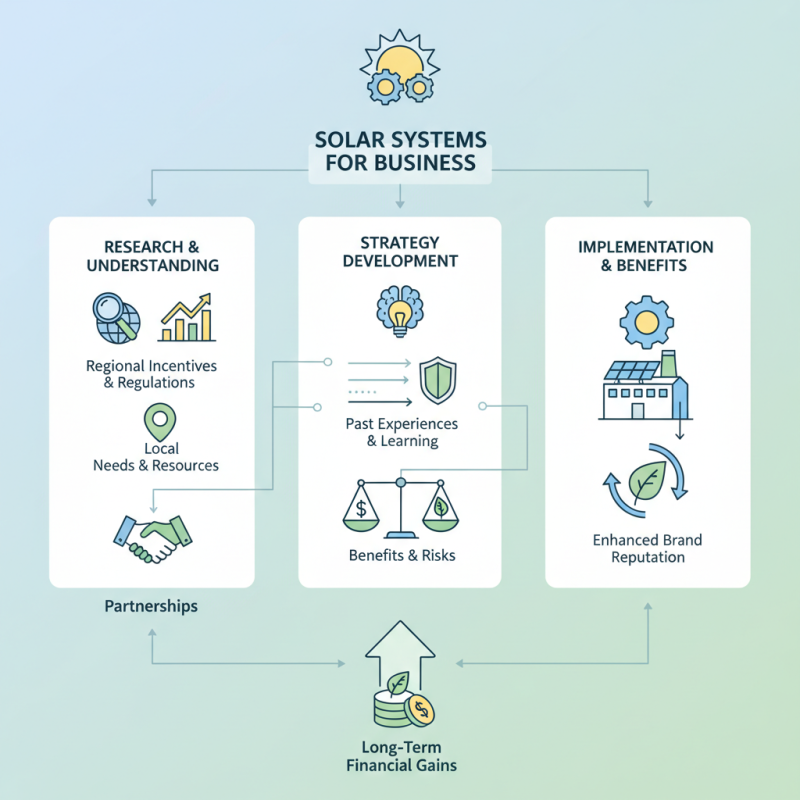
As businesses increasingly turn to sustainable solutions, sourcing solar systems in 2026 is crucial. Solar energy offers numerous benefits, including reduced operational costs and enhanced brand reputation. However, navigating the solar market can be daunting. There are many suppliers, technologies, and financing options available.
A successful solar system sourcing strategy requires thorough research. Different regions may have varying incentives or regulations impacting your options. Understand your energy needs, potential savings, and local resources. The right partnerships can lead to long-term sustainability and financial gains.
Reflecting on past experiences will enhance your strategy. Many companies have faced challenges in selecting the best solar systems. Learning from these experiences can prevent costly mistakes. Approach sourcing with a balanced view, acknowledging both the benefits and risks involved.
How to Identify Reliable Solar System Suppliers for Your Business
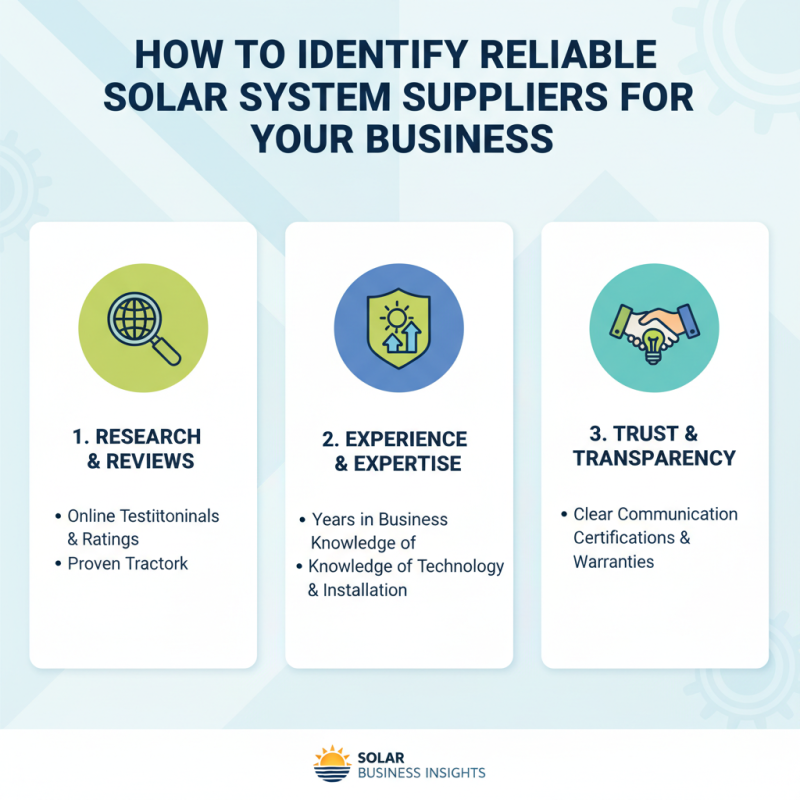
When sourcing solar systems for your business, identifying reliable suppliers is crucial. Start by researching potential partners through online reviews and testimonials. Look for suppliers with a proven track record. Being aware of their experience level can help gauge their reliability. A good supplier should have extensive knowledge about solar technology and installation processes.
Investigate their certifications and affiliations. This information indicates credibility. Additionally, request case studies or references from previous clients. Observing their past projects can reveal details about quality and efficiency. Consider visiting their facilities if possible. A firsthand look provides insight into their operations.
Discuss warranties and after-sales support. Understand what is offered in case of system failures. Be cautious of overly aggressive sales tactics. They can sometimes mask underlying issues. A reliable supplier will prioritize transparency and education over pressure. Trust your instincts when assessing comfort and communication with potential partners.
Evaluating the Cost-Benefit Analysis of Solar Systems in 2026
Evaluating the cost-benefit analysis of solar systems in 2026 is crucial for businesses contemplating this transition. The initial investment in solar technology can be intimidating. Installation costs may vary significantly based on system size and location. Additionally, regulatory policies can impact overall expenses. Therefore, thorough market research is essential.
Benefits of solar systems extend beyond energy savings. They contribute positively to brand image and sustainability goals. A company adopting solar energy promotes eco-friendliness. However, financial incentives fluctuate. Tax credits and rebates can vary yearly, making long-term predictions challenging. Businesses must account for future changes in government policies.
Market trends suggest solar technology is advancing rapidly. Efficiency rates are improving. However, maintenance costs are sometimes overlooked. Regular maintenance may lead to additional expenses. These need consideration in a comprehensive analysis. Balancing upfront costs with long-term savings is key. Evaluate energy costs over a decade. Reflect on financial gains versus potential challenges. Assessing these factors will guide informed decisions in sourcing solar systems.
How to Source Solar Systems for Your Business in 2026? - Evaluating the Cost-Benefit Analysis of Solar Systems in 2026
| Dimension |
Cost Estimate (USD) |
Benefit Estimate (USD) |
Net Benefit (USD) |
Payback Period (Years) |
| Residential System (5 kW) |
$15,000 |
$1,800 |
-$13,200 |
8.3 |
| Commercial System (50 kW) |
$150,000 |
$24,000 |
-$126,000 |
6.25 |
| Industrial System (500 kW) |
$1,500,000 |
$300,000 |
-$1,200,000 |
5.0 |
| Utility-Scale System (1 MW) |
$3,000,000 |
$600,000 |
-$2,400,000 |
5.0 |
Understanding Regulatory Compliance for Solar Installations in 2026
As solar energy gains traction, regulatory compliance becomes crucial. Businesses must navigate various regulations in 2026. It's essential to stay updated on local, state, and federal guidelines. Each region often has unique requirements. Researching the specific laws where you operate can be daunting.
Understanding permitting processes is vital. Applications might require environmental assessments or consultations. Delays can occur if documentation is incomplete. Ensuring proper zoning is also important. Businesses might face sanctions for non-compliance. This puts your entire solar project at risk.
Consulting with experts can help. Compliance consultants bring valuable experience. They understand the nuances of regulations that can be complex. However, relying solely on external experts has its risks. You must stay informed yourself. Building your knowledge can prevent missteps. Compliance isn’t just a checkbox; it’s a commitment to sustainable practices.
Key Technological Trends in Solar Systems: What to Watch in 2026
In 2026, the solar industry is expected to undergo significant technological advancements.
One of the key trends is the rise of photovoltaic (PV) materials that enhance energy efficiency.
Researchers are developing new solar cells that utilize perovskite materials.
These cells promise higher efficiency than traditional silicon. This evolution could change the landscape of solar energy costs and outputs.
Another emerging trend is energy storage solutions.
As solar systems become more widespread, the need for reliable energy storage is critical.
Innovations in battery technologies, such as solid-state batteries, may provide safer and more efficient storage options.
This shift can help mitigate the intermittent nature of solar energy. However, scalability and performance under extreme conditions need further research.
Moreover, smart grid technologies are gaining traction.
They improve the integration of solar power into existing infrastructures.
These innovations allow for real-time energy management and better demand response.
However, not all businesses may have the expertise to implement these systems effectively.
Training and knowledge-sharing will be essential to overcome these hurdles.
Keeping an eye on these trends will be pivotal for businesses looking to adopt solar solutions successfully.
Assessing the Financial Incentives for Businesses Investing in Solar Energy
Investing in solar energy offers numerous financial incentives for businesses.
Tax credits and grants can significantly reduce initial costs.
Various local and federal programs exist to encourage solar adoption.
These incentives can offset installation expenses and enhance long-term savings.
To navigate these incentives effectively, research your options. Each state may have specific programs tailored for businesses.
Look into any available loans with favorable terms.
Understanding these financial tools can aid decision-making.
Consider potential challenges as well.
The process may be complex, and not all incentives apply to every business.
Missteps can lead to missed opportunities for savings.
Always consult with experts to validate your findings.
They can provide insights tailored to your business model.