Top 5 Best PV Cables for Solar Energy Applications?
In the world of solar energy, choosing the right components is crucial for efficiency and longevity. PV cables play a vital role in this ecosystem. They connect solar panels to inverters and charge controllers, ensuring proper energy transfer. Quality cables can withstand harsh weather and UV exposure.
Many vendors claim to offer the best PV cables, but which ones truly stand out? Understanding the features and specifications of these cables is essential. Durability, flexibility, and resistance to environmental factors are key considerations. Some cables may look sturdy but can fail under extreme conditions.
It’s important to assess the different options, as not every cable fits every application. A suitable PV cable can enhance system performance. Investing in high-quality cables may save costs in the long run. However, without proper research, making the right choice can be overwhelming. Keep the specific needs of your solar project in mind, and don't rush the decision.
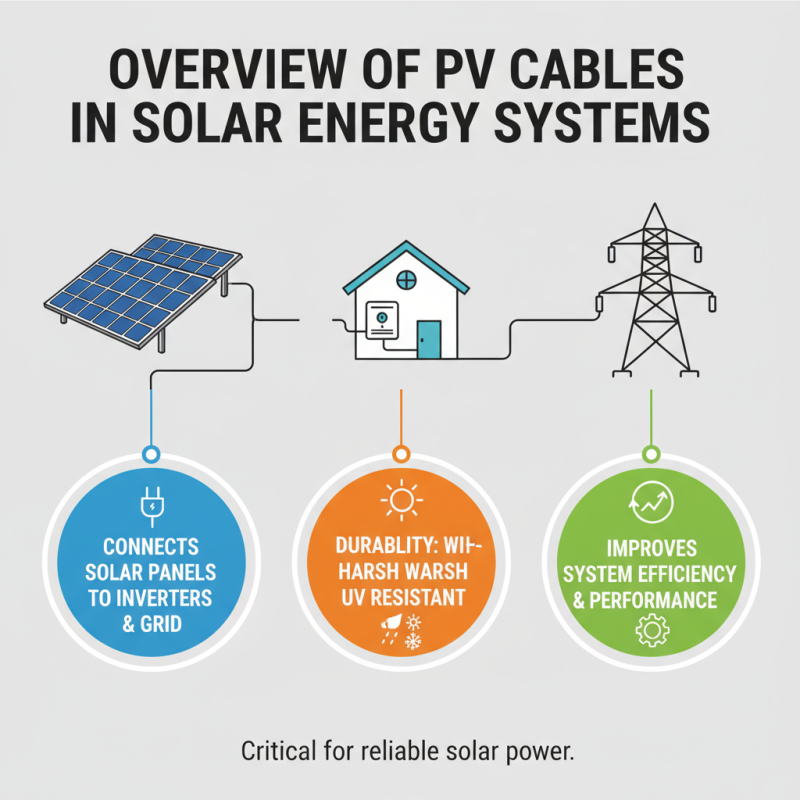
Overview of PV Cables in Solar Energy Systems
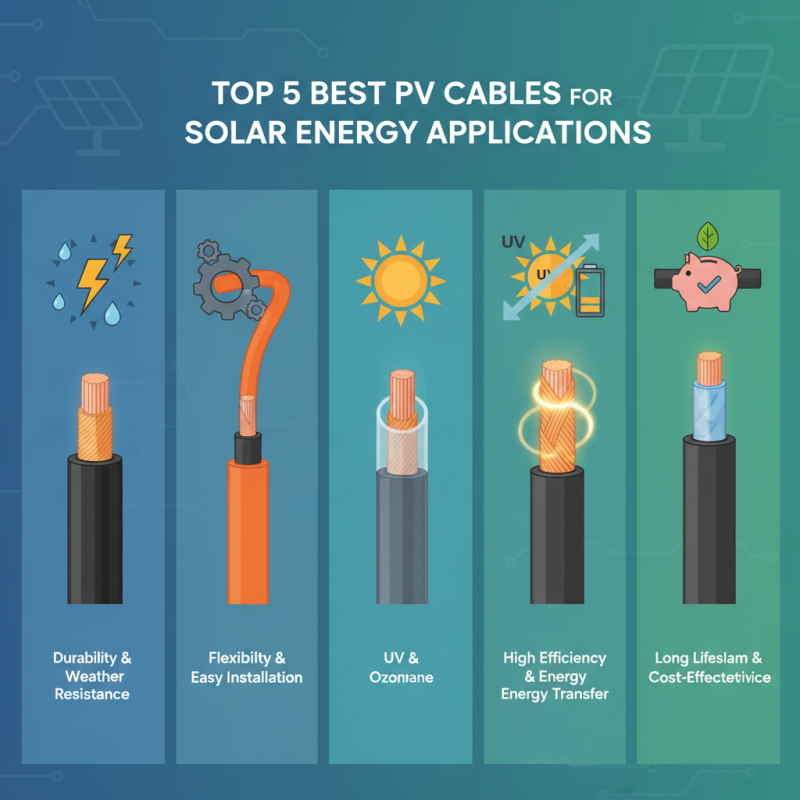
PV cables serve a critical role in solar energy systems. They connect solar panels to inverters and the grid. Their durability and efficiency are paramount. A good PV cable can withstand harsh weather conditions. It also needs to resist UV radiation and temperature fluctuations. These factors contribute to a system's overall performance.
Selecting the right PV cable is not straightforward. The market offers numerous options, each with specific characteristics. Conductors can be made from different materials, affecting efficiency. Insulation types vary, too. A mismatch can lead to significant energy losses. Many installations face issues from subpar cables over time. This highlights the importance of thorough research.
Improper installation can create further complications. Users often overlook the importance of proper connections. Poor handling can damage cables, affecting their lifespan. Regular inspections are necessary but frequently ignored. Understanding these aspects is crucial for maximizing the efficiency of solar energy systems. Proper consideration of PV cable specifications leads to better overall performance.
Key Features to Consider When Selecting PV Cables
When selecting PV cables for solar energy applications, there are several key features to consider.
First, the material of the cable is crucial. Most PV cables are made from either PVC or cross-linked polyethylene (XLPE).
PVC is affordable but may not withstand extreme temperatures as well as XLPE. Think about local weather conditions. If you live in a hot area, XLPE might be a better choice.
Next is the cable's voltage rating. High voltage cables can handle greater energy input, optimizing solar performance. A voltage rating of around 600V to 1,000V is common. Ensure your setup matches this requirement. Durability is another factor. Choose cables with UV and abrasion resistance. They must endure the sun and environmental wear. Regular inspections should be a part of your maintenance routine since even good cables can degrade over time.
Lastly, the gauge of the cable matters. Thicker wires reduce resistance, improving efficiency. However, thicker cables may be less flexible and harder to work with. Balancing flexibility and capacity is essential. Many overlook these details, but they can affect overall performance. Always think critically about your choices to achieve the best setup.
Top 5 Recommended PV Cables for Solar Applications
When considering solar energy applications, choosing the right PV cable is crucial. These cables connect solar panels to inverters and batteries, so quality matters. According to a report by the International Energy Agency, the efficiency of solar installations can drop significantly if inferior cables are used. This underscores the need for high-quality materials and proper insulation.
The top recommended PV cables often include features such as UV resistance and low-temperature flexibility. For instance, cables that are double insulated can withstand harsh environmental conditions. Research shows that cables failing in extreme temperatures can lead to system inefficiencies. In some cases, up to 20% of energy losses are attributed to poor cable performance. Pricepoint is an important variable, but it shouldn’t be the only consideration.
It's essential to note that not all cables provide consistent performance across different climates. Some may excel in warm climates but falter in cold conditions. This inconsistency requires solar energy professionals to carefully assess cable properties based on specific installation environments. Without thorough evaluation, the longevity and efficiency of solar systems can be jeopardized.
Comparative Analysis of Performance and Durability
When choosing PV cables for solar energy applications, performance and durability are critical factors. Data from the Solar Energy Industries Association (SEIA) shows that the right cables can have a significant impact on the efficiency of solar panels. High-quality cables reduce energy losses by improving conductivity. Some studies indicate that using inferior materials can lead to energy efficiency losses of up to 3%.
Durability is another crucial aspect. According to the National Renewable Energy Laboratory (NREL), the lifespan of PV cables significantly affects the overall system's longevity. Cables exposed to harsh weather conditions can degrade over time. UV resistance, temperature rating, and abrasion resistance are essential features to examine. Reports highlight that cables with inadequate UV resistance can fail within just five years, while durable options can last over 25 years.
However, not all cables provide the same reliability. Some cables may appear robust but fail to meet industry standards for insulation and conductivity. This discrepancy can be misleading. A reliable installation should also consider local environmental conditions and potential physical stress on cables. Research indicates that many installers overlook these essential factors, which can lead to costly repairs down the line.
Installation Tips for Optimal PV Cable Performance
When installing PV cables for solar energy applications, proper installation is crucial. According to the International Electrotechnical Commission (IEC), improper cable installation can reduce efficiency by up to 30%. Ensuring the right cable layout is essential. This includes avoiding sharp bends and ensuring cables have enough space for thermal expansion.
Temperature and environmental factors also play a significant role. Many installations expose cables to extreme heat or cold. Studies show that high temperatures can reduce the lifespan of PV cables. Opting for cables with higher temperature ratings can mitigate future complications. Regular checks can help catch any wear and tear early.
Cable connections are often overlooked. Loose connections can lead to significant power loss. Regularly checking torque ratings could enhance system performance. Keeping an eye on connections can prevent unexpected downtimes. Annual inspections may seem tedious, but they are necessary to maintain optimal performance. Ignoring these details can result in expensive repairs.
Top 5 Best PV Cables for Solar Energy Applications
| Cable Type |
Conductor Size (mm²) |
Temperature Rating (°C) |
Insulation Material |
Flexibility Rating |
| PV1-F |
4 |
-40 to 90 |
Cross-linked Polyethylene (XLPE) |
Very Flexible |
| H1Z2Z2-K |
6 |
-40 to 90 |
Thermoplastic Elastomer (TPE) |
Flexible |
| TUV 2 PfG 1169/08.2007 |
10 |
-40 to 120 |
Polyvinyl Chloride (PVC) |
Moderate Flexibility |
| UL 4703 |
12 |
-40 to 90 |
EPR Insulation |
Flexible |
| PV Cable 1500V |
16 |
-40 to 90 |
Cross-linked Polyethylene (XLPE) |
Very Flexible |