Top Solar Applications in China What You Need to Know?
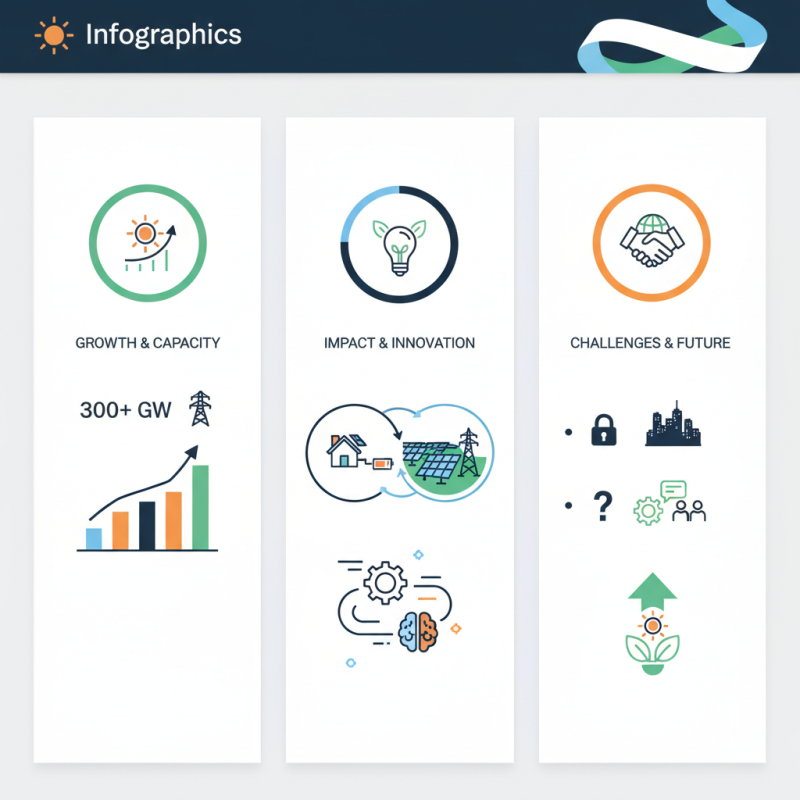
Solar Applications are transforming energy landscapes globally, particularly in China. As the world's largest solar market, China’s advancements are noteworthy. According to the China National Energy Administration, solar power generation capacity reached over 300 GW in 2022. This growth accelerates investments and innovation in renewable energy.
Dr. Li Wei, a leading expert in solar technologies, emphasizes, "Sustainable solar applications are not just about energy production; they shape our future." His insight highlights the importance of diverse solar applications, from residential roofs to large-scale solar farms.
Despite significant progress, challenges remain. Not all regions benefit equally from solar adoption. Some areas face regulatory hurdles or lack awareness. China’s commitment to renewables should include addressing these disparities. Engaging communities and improving infrastructure are essential steps forward.
Overview of Solar Energy Landscape in China
The solar energy landscape in China is rapidly evolving. As the largest producer of solar panels, China plays a pivotal role in the global market. The country has witnessed impressive growth in solar capacity, with an installed capacity reaching over over 300 gigawatts. This transition is fueled by government incentives and a growing public awareness of sustainable energy.
Many industries are adopting solar energy. Residential solar installations are becoming commonplace, facilitating energy independence for homeowners. Moreover, large-scale solar farms are contributing significantly to the grid. These farms harness sunlight efficiently, providing power to millions. It's a promising strategy to combat pollution and reduce reliance on fossil fuels.
Tips: Always research local regulations before installation. Understanding these rules can save time and resources. Consider the long-term benefits of solar investment over initial costs, as solar energy often leads to significant savings. Embrace the evolving technology in solar panels; innovations emerge regularly, enhancing efficiency and affordability. Staying informed aids in making smart choices for sustainable energy solutions.
Key Solar Technologies and Innovations in China
China stands at the forefront of solar technology and innovation. The country's vast landscape and abundant sunlight make it an ideal hub for solar applications. Innovative solar cells, such as PERC (Passivated Emitter and Rear Cell) technology, enhance efficiency. This advancement significantly boosts energy output, even in less sunny conditions.
Another noteworthy innovation is bifacial solar panels. These panels capture sunlight on both sides. They can harness reflected light from the ground, increasing energy generation. This technology offers greater versatility in installation, from rooftops to large solar farms. Developing energy storage solutions is equally important. Advanced battery systems optimize energy use, addressing the intermittent nature of solar power.
Yet, challenges persist. The manufacturing process of solar panels can generate significant waste. Recycling and reduction strategies are essential. Additionally, integrating solar energy into existing grids remains complex. With continued focus on innovation and sustainability, China can enhance its solar strategies, creating a more eco-friendly energy future.
Major Solar Applications Across Various Sectors
Solar energy is gaining momentum across various sectors in China. Industries are rapidly adopting solar technologies, leading to significant reductions in carbon footprints. According to the China National Energy Administration, the solar power capacity reached 392 gigawatts in 2020. This growth has positioned China as a leader in solar energy production.
One major application is in agriculture, where solar panels power irrigation systems. This allows farmers to reduce reliance on diesel pumps. Research indicates that solar irrigation can lower energy costs by up to 30%. Smart farming techniques incorporate solar energy, enhancing productivity and sustainability.
In urban settings, solar installations have transformed residential and commercial buildings. Roof-mounted solar systems generate clean electricity, cutting utility bills. Energy storage systems are crucial here, storing excess energy for nighttime use. A report by the International Energy Agency states that by 2030, solar energy could provide up to 15% of global power needs.
Tip: When considering solar energy for homes or businesses, assess local sunlight exposure and government incentives. These can significantly impact the return on investment. However, the initial setup cost may still be a barrier for some. Always calculate the long-term benefits versus upfront expenses before proceeding.
Government Policies Supporting Solar Energy Adoption
Government policies play a crucial role in promoting solar energy adoption in China. The country's commitment to renewable energy is evident through various initiatives aimed at increasing solar capacity. Substantial financial incentives, such as subsidies and tax exemptions, encourage both businesses and households to invest in solar technologies. This financial backing has motivated many companies to explore innovative solutions.
Moreover, local governments have introduced feed-in tariffs, ensuring that solar energy producers receive compensation for their excess energy output. This policy enhances the financial viability of solar projects. However, implementation inconsistencies can lead to challenges. Some regions may not effectively enforce these policies, creating disparities in adoption rates.
Recent reports suggest that while many cities show progress, rural areas still lag behind. The lack of infrastructure and support can hinder the expansion of solar energy in these regions. Additionally, public awareness campaigns are necessary but often insufficient. Addressing these shortcomings while refining existing policies will be essential for achieving the overall goals in solar energy growth.
Challenges and Future Trends in China's Solar Industry
China's solar industry faces several challenges that impact its overall growth. Rapid urbanization and industrial expansion increase energy demands. This makes its reliance on solar energy crucial but complex. Moreover, inconsistent policies create uncertainty. These factors can hinder investment and slow technological advancements.
Another significant challenge is the environmental impact of solar panel production. While solar energy is clean, the manufacturing process involves hazardous materials. Addressing waste management and recycling remains vital. Efficient waste disposal methods and developing sustainable production technologies should be prioritized.
Future trends indicate a move towards improved efficiency and integration. Emerging technologies, like bifacial solar panels, capture sunlight on both sides, enhancing energy output. Additionally, energy storage solutions are becoming essential for managing supply and demand. Adapting to these innovations could enhance stability in the solar market while lowering costs. Challenges will persist, but strategic adjustments can steer the industry toward a sustainable future.