Top 10 Solar Project Innovations Transforming Renewable Energy Today?
The renewable energy sector is undergoing a significant transformation, particularly in the solar project domain. According to a report by the International Energy Agency, solar capacity is expected to double by 2025. This surge highlights innovative technologies that are redefining efficiency and accessibility. Experts like Dr. Emily Johnson, a leading figure in renewable energy research, remarked, "Solar projects are now more than just panels; they represent a shift towards smart energy management."
Recent advancements are pushing boundaries. Integrated energy systems and AI-driven analytics have changed how solar energy is harnessed. For instance, some projects now utilize blockchain technology for better energy trading. Yet, challenges remain. While the efficiency of solar panels improves, the industry must address supply chain and material sustainability issues.
Innovations continue to emerge, each promising a brighter future. However, the question persists: are we moving quickly enough to meet global energy demands? The future of solar projects requires not just technological advancements but a commitment to sustainable practices and efficient resource management.
Current State of Solar Energy Innovations
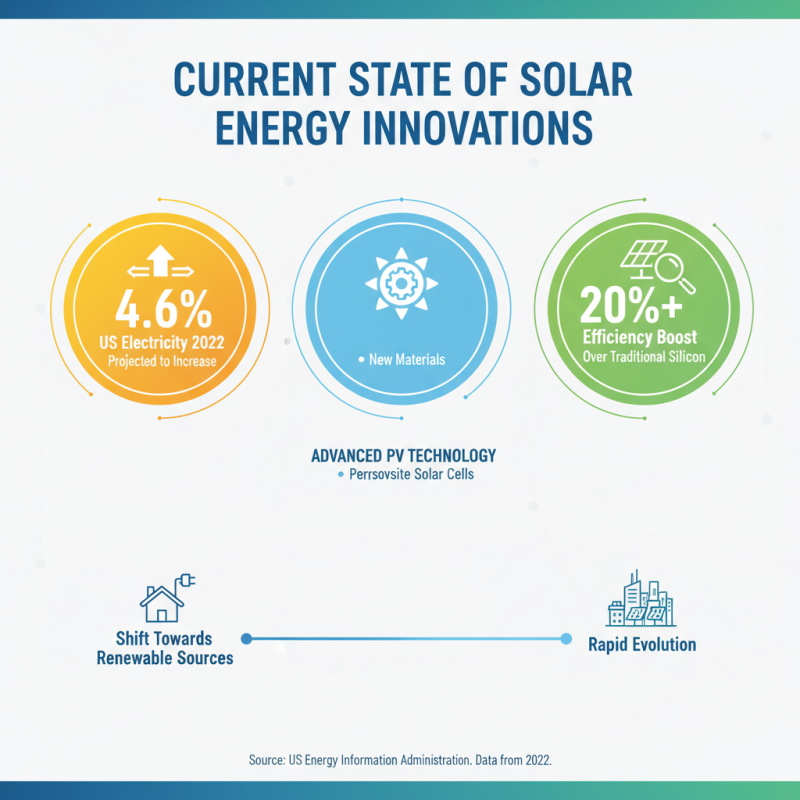
The current state of solar energy innovations is vibrant and rapidly evolving. In 2022, solar energy contributed to nearly 4.6% of the total U.S. electricity generation. This figure is projected to increase significantly, reflecting a broader shift towards renewable sources. Advanced photovoltaic (PV) technology is a key player. New materials, like perovskite solar cells, enhance efficiency, potentially surpassing traditional silicon cells by 20% or more.
Another area of growth is energy storage solutions. As solar generation becomes more reliable, storage technologies are crucial. A recent report indicated that battery costs have fallen over 80% in the past decade. However, scalability remains a challenge. Many installations still face issues with energy management systems that struggle to optimize performance effectively.
Innovative solar tracking systems are also gaining traction. These technologies adjust the panels' angles throughout the day, improving energy capture by up to 25%. Despite these advancements, widespread adoption faces hurdles. Regulatory frameworks often lag behind technological developments. Addressing these regulatory barriers is essential for maximizing the impact of innovations in solar energy.
Breakthrough Technologies Enhancing Solar Panel Efficiency
Breakthrough technologies have greatly enhanced solar panel efficiency. Recent studies show that solar panel efficiency has increased from 15% to over 22% in the past decade. Advanced materials, such as perovskites, are paving the way for even higher efficiencies. These materials are lightweight and can be produced at a lower cost than traditional silicon-based panels.
Solar tracking systems are also making a significant impact. By adjusting the panels’ angles to follow the sun, these systems can increase energy capture by up to 40%. This means more energy generated from the same amount of sunlight. Moreover, the integration of artificial intelligence in energy management systems is optimizing output. AI evaluates energy production and adjusts usage in real-time.
Tips: Consider investing in solar panel systems that utilize these new technologies. They might have a higher upfront cost but will pay off in the long run. It’s crucial to assess your location and sunlight exposure. Not every system will perform the same in every area. Explore local incentives, as they can ease the financial burden of installation. Understanding these elements is vital for maximizing your investment in solar energy.
Top 10 Solar Project Innovations Transforming Renewable Energy Today
| Innovation |
Description |
Efficiency Improvement (%) |
Implementation Year |
| Bifacial Solar Panels |
Capture sunlight from both sides for increased energy production. |
10-20 |
2016 |
| Solar Tracking Systems |
Adjust the angle of solar panels throughout the day to maximize sunlight capture. |
25-40 |
2017 |
| Perovskite Solar Cells |
Utilize a new material to achieve higher efficiencies at lower costs. |
20-30 |
2019 |
| Building-Integrated Photovoltaics (BIPV) |
Integrate solar cells into building materials, such as windows and roofs. |
15-25 |
2020 |
| Floating Solar Farms |
Install solar panels on bodies of water to reduce land use. |
10-15 |
2018 |
| Transparent Solar Panels |
Create panels that allow light to pass through while generating electricity. |
8-15 |
2021 |
| Solar Panel Recycling |
Innovative techniques to recycle old solar panels and recover materials. |
N/A |
2022 |
| AI and Machine Learning for Solar Management |
Leverage AI to optimize energy production and predictive maintenance. |
N/A |
2023 |
| Solar Paints |
Develop coatings that can generate electricity when exposed to sunlight. |
5-10 |
2023 |
| Enhanced Energy Storage Solutions |
Advanced battery technologies to store solar energy more efficiently. |
N/A |
2024 |
Innovative Solar Storage Solutions for Energy Reliability
Innovative solar storage solutions are vital for maximizing energy reliability. Recent studies show that energy storage can reduce reliance on conventional power grids. In fact, a report by the International Renewable Energy Agency (IRENA) indicates that battery storage capacity is expected to reach 1,200 GWh by 2030. This growth signals a shift toward more sustainable energy management.
Many solar projects now focus on advanced battery technologies. Lithium-ion, for instance, has become a popular choice due to its efficiency. However, challenges exist. The production process can be environmentally damaging, raising questions about sustainability. Emerging technologies like solid-state batteries may offer better solutions but are still in development.
Moreover, innovative energy management systems are becoming essential. They analyze energy use patterns and optimize storage capacity. According to the U.S. Department of Energy, projects can cut costs by 30% with advanced management. Yet, these systems can be complex, requiring significant investment in infrastructure. The path to a fully reliable solar future is unclear, with technical hurdles and economic considerations at play.
Integration of Smart Grids with Solar Power Systems
The integration of smart grids with solar power systems is reshaping the energy landscape. A recent report indicates that smart grids can increase solar energy efficiency by up to 35%. These technologies allow for real-time data collection and better management of energy distribution. With smart grids, solar energy can be stored and used more effectively.
However, the shift is not without challenges. Many regions still lack the necessary infrastructure. Updating existing grids requires significant investment and planning. Data from industry analysts show that around 70% of the world's electrical grids need upgrades to accommodate solar energy. This discrepancy creates a bottleneck in the effective deployment of renewable energy.
Another concern is cybersecurity. Connecting solar systems to smart grids increases vulnerability to cyberattacks. A survey revealed that 40% of energy companies are worried about security threats. While the advantages are clear, these risks necessitate careful planning and investment strategies. The future of solar energy depends on addressing these issues to fully harness innovation.
Emerging Solar Applications: Beyond Traditional Uses
Solar technology is evolving rapidly, with innovative applications emerging beyond traditional power generation. One exciting development is solar-powered charging stations. These stations enable electric vehicles to recharge using sunlight, reducing dependence on grid electricity. Imagine cities buzzing with solar charging spots. However, the implementation isn't without challenges. Lack of infrastructure can limit accessibility.
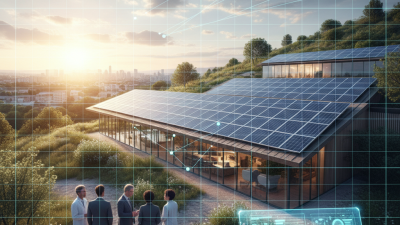
Another fascinating application is integrating solar panels into building materials. Solar windows and roof tiles can turn entire structures into power generators. This innovation blends aesthetics with functionality. Yet, performance and installation costs can be hurdles. Not every building site is suitable for this integration.
Moreover, portable solar devices are gaining traction. From backpacks with built-in solar panels to foldable chargers for outdoor enthusiasts, these products offer convenience and sustainability. They meet the growing demand for off-grid power solutions. However, durability and efficiency remain key concerns. Users may find varying results based on weather conditions and usage patterns.