2026 Top Solar Project Types for Global Buyers?

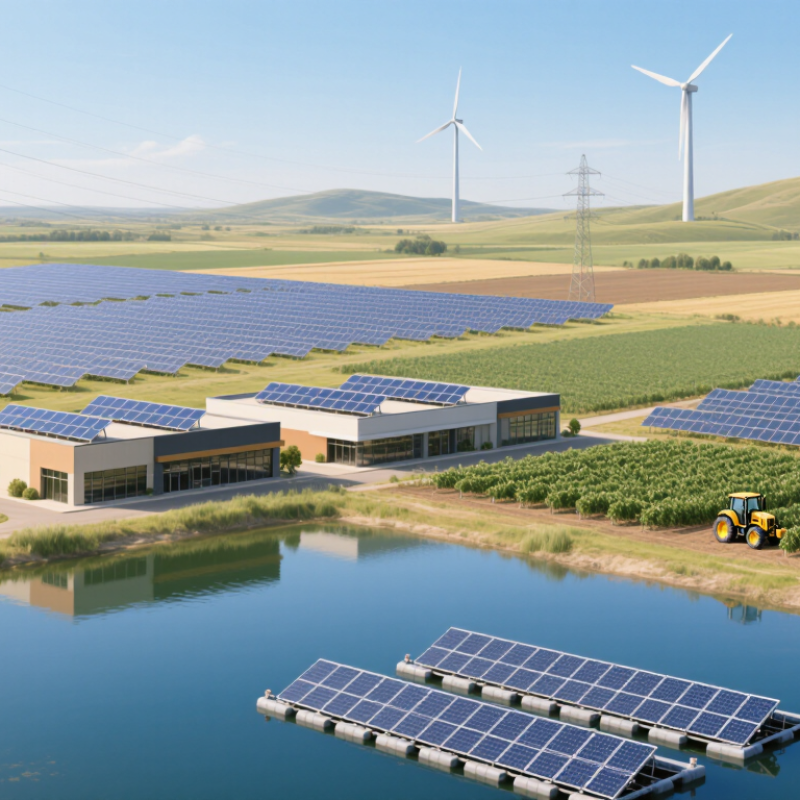
Global buyers entering the 2026 market will find no single solar project model suited to every site. Utility-scale plants can deliver substantial power, but they depend on land, grid access, and careful interconnection planning. Rooftop systems use existing buildings and can help businesses offset daytime demand. Floating solar may fit reservoirs with limited available land, while agrivoltaic projects combine electricity generation with continued farming. Each option has trade-offs.

Fatih Birol, executive director of the International Energy Agency, described the broader shift: “Solar is becoming the new king of electricity markets around the world.” That momentum does not make every project bankable. Buyers still need to examine local sunlight data, equipment warranties, construction schedules, and realistic output estimates. A hybrid solar project paired with battery storage may support evening demand, yet storage adds cost and operational complexity. Off-grid systems can serve remote sites, though spare parts and maintenance deserve attention from day one. Small details matter. A shaded roof section or delayed grid connection can change expected returns. We should also admit that forecasts are imperfect; prices, policies, and supply chains can shift before commissioning. Comparing project types against a site’s actual load, land conditions, and financing limits offers a more reliable starting point than chasing headline capacity. This guide explores the leading options for global buyers and the questions worth asking before investment.
2026 Top Solar Project Types for Global Buyers?

What Defines a Solar Project in 2026?

A solar project in 2026 is more than panels mounted on a roof or open land. It is a coordinated system designed around a specific site, energy demand, and delivery plan. Its scope may include modules, inverters, mounting structures, grid connections, monitoring, and battery storage. That matters. A factory with steady daytime demand needs a different design from a remote community with evening peaks.

Project definition starts with practical data: roof condition, shading, local weather, available grid capacity, and hourly electricity use. Buyers should also clarify who handles engineering, installation, commissioning, and long-term maintenance. These responsibilities affect cost and performance. Details decide. A production estimate is useful, but it depends on assumptions about weather, equipment losses, and site conditions.

In 2026, buyers may compare rooftop, ground-mounted, floating, and hybrid solar projects. The right category depends on land, water, load profile, and connection options—not on a trend alone. Early estimates can appear precise while missing a costly grid upgrade or structural repair. Even experienced teams revise plans after site inspections. That is normal, though it can make timelines harder to predict. A clear project brief should state expected output, operating needs, known site limits, and which assumptions still need verification.

2026 Top Solar Project Types for Global Buyers

What defines a solar project in 2026? Its scale, site, and connection to the grid help distinguish the main project types.

Illustrative capacity examples in megawatts, not global averages. Actual project sizes vary by location, market rules, and design. The logarithmic scale makes small rooftop systems and large solar farms easier to compare.

Which Solar Project Types Serve Different Buyer Needs?

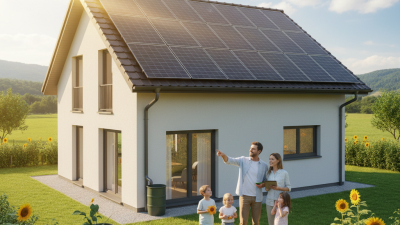
Different buyers need different solar project types. A household with a sunlit roof may choose rooftop PV with a battery to reduce evening grid purchases. Commercial sites often benefit from larger rooftop or carport systems, especially when daytime loads match generation. Land-rich buyers seeking high output may consider utility-scale projects, but they need suitable sites, grid access, and long-term offtake arrangements. Remote communities may need off-grid or hybrid solar with storage and backup generation. There is no universal best fit.

The scale is growing fast. The IEA’s Renewables 2024 report forecasts about 5,500 GW of renewable capacity additions worldwide from 2024 to 2030, with solar PV contributing nearly 80% of the increase. Cost matters, too: IRENA reported a global weighted-average utility-scale solar LCOE of about US$0.044 per kWh in 2023, 56% below its 2010 level. Those figures are benchmarks, not project quotes. Local financing, storage, land, and connection costs can change the picture. The trade-off is less tidy than a headline suggests.

Tips: Match the system to your load profile before comparing price per watt. Check monthly bills, roof condition, shading, and grid-connection timelines. For remote sites, model several low-sun days. Small details matter.

How Do Grid-Connected, Off-Grid, and Hybrid Systems Differ?

Grid-connected solar systems work alongside the local electricity network. Panels supply daytime loads, while surplus power may flow back to the grid. When production falls, the site can draw electricity from the network. But standard grid-connected inverters usually shut down during an outage to protect utility workers. Backup requires suitable equipment. That detail is easy to miss. Buyers should check local interconnection requirements and export arrangements before estimating savings.

Off-grid systems operate without a utility connection. They rely on batteries to cover nights, cloudy periods, and demand spikes. A remote workshop might need enough storage for tools, lighting, and several low-sun days. Undersized batteries can leave essential loads without power; oversized systems can add unnecessary cost. Hybrid systems combine grid access with solar and battery storage. They can provide backup and shift energy use, but their controls and settings need careful planning. More flexibility, more decisions. A site with frequent outages may value storage, while a site with a reliable grid may not need much. Compare seasonal sunlight, load patterns, backup priorities, and maintenance capacity. A winter week can reveal weaknesses that an annual production estimate hides.

2026 Top Solar Project Types for Global Buyers? – How Do Grid-Connected, Off-Grid, and Hybrid Systems Differ?

Comparison Factor Grid-Connected Solar Off-Grid Solar Hybrid Solar
Basic Configuration Solar array connected to the utility grid through a grid-following inverter. Solar array supplies a local electrical system that is not connected to the utility grid. Solar array and battery storage operate alongside a utility connection; a compatible inverter manages power flows.
Grid Connection Required. Exporting surplus electricity depends on local interconnection rules and metering arrangements. Not required. A generator may be added as backup where appropriate. Normally connected, but the system can be designed to serve selected loads during a grid outage.
Battery Storage Optional. Many standard systems operate without batteries. Essential in most projects to supply loads when solar production is low or unavailable. Common, but system design may also allow solar operation without a battery, depending on equipment and backup requirements.
Typical Power Flow Solar serves on-site loads first; surplus may be exported, while the grid supplies shortfalls. Solar serves loads and charges batteries; stored energy supplies loads when generation is insufficient. Solar can serve loads, charge batteries, and export surplus; the grid can supply power or charge batteries if configured and permitted.
Behavior During Grid Outages A standard grid-following system generally shuts down during an outage for anti-islanding safety. Backup requires suitable equipment and storage. Continues operating if the system, batteries, and available generation can meet demand. Can power designated backup circuits when the inverter, battery, and installation are configured for backup operation.
Best-Fit Applications Homes, businesses, and facilities with a reliable grid connection and a goal of reducing purchased electricity. Remote homes, farms, telecom sites, islands, and other locations where grid access is unavailable or impractical. Sites seeking both grid-connected energy savings and resilience for selected loads during outages.
Main Advantages Usually simpler than storage-based designs; uses the grid to balance changes in solar production and demand. Provides power without relying on a utility connection; system operation can be tailored to local loads. Combines grid access with battery-based backup and flexible energy management.
Main Trade-Offs Standard systems do not provide power during grid outages; project economics depend on tariffs and export rules. Requires careful load planning and adequate storage or backup generation; batteries and system sizing add cost. More equipment and controls are typically required than for a basic grid-connected system; backup capacity is limited by system design.
Key Planning Considerations Utility interconnection, local export compensation, roof or site conditions, and electricity-use patterns. Daily and seasonal load, solar resource, battery autonomy, critical loads, and generator requirements. Critical-load selection, battery capacity, inverter backup capability, grid rules, and the desired operating strategy.

Note: System performance, permitted grid export, backup capability, and project economics vary by location, equipment configuration, local regulations, and utility tariff.

What Factors Shape Solar Project Design Across Regions?

Solar project design starts with the site, not a standard equipment list. In hot, dry regions, high module temperatures can reduce output, while dust may call for more frequent cleaning. Water is often scarce, so cleaning plans need to match local supply. Small details matter.

In coastal areas, salt exposure and strong winds influence material choices and mounting design. Mountain sites may face steep terrain, snow loads, and difficult transport routes. A tracker can improve energy capture in some locations, but it also needs room, maintenance access, and a suitable ground surface. Fixed-tilt arrays may be simpler where land or service capacity is limited. Maps can mislead.

Grid access shapes the project just as strongly. A remote site may need storage or a smaller, carefully timed connection; a reliable grid can favor a different balance between generation and batteries. Designers also assess local demand patterns, land use, interconnection requirements, and available technical skills. These factors vary by region and even between nearby sites. Early estimates are useful, but they can hide awkward realities, such as seasonal road closures or limited water access. Revisiting assumptions after site surveys is not a weakness; it is part of making a design that can be built and maintained.

How Can Buyers Compare Costs, Scale, and Long-Term Performance?

Buyers should compare solar projects by delivered electricity, not panel price alone. In Renewable Power Generation Costs in 2023, IRENA reported a global weighted-average levelized cost of electricity of USD 0.044 per kilowatt-hour for new utility-scale solar PV. That benchmark helps, but it is not a site quote: financing, grid connection, land, storage, and local sunlight can shift project economics sharply.

Utility-scale plants suit buyers needing large volumes and available land; rooftops can use existing space and offset daytime consumption. Small roofs differ. The IEA PVPS Trends in Photovoltaic Applications 2024 report estimated 456 GW of new PV installations worldwide in 2023, showing how quickly the market is scaling. Floating solar can preserve scarce land, though anchoring, water conditions, and maintenance access need careful assessment. Compare proposals using the same assumptions for system life, financing, energy yield, and replacement costs.

Long-term performance deserves equal scrutiny. Ask for hourly production estimates, degradation assumptions, inverter replacement schedules, and clear monitoring plans. A high first-year yield is not a guarantee. Dust, heat, shading, and delayed repairs can quietly reduce output; real-world records may be less tidy than a model. IRENA’s cost figure is useful context, not a promise of future returns.