Top Trends in China Best PV Installation Solutions?
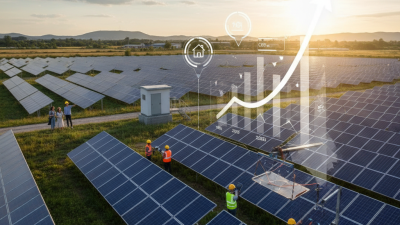
As China continues to lead in renewable energy, the demand for effective PV installation solutions rises. The shift toward solar energy is not merely a trend; it’s a necessity for a sustainable future. Key technologies and innovative practices emerge as crucial components of this landscape.
In recent years, various PV installation strategies have gained traction. Some methods promise faster deployment and higher efficiency. However, the implementation often faces challenges. Each region may require tailored solutions based on climate conditions and infrastructure.
Choosing the right PV installation is vital. It impacts energy output and long-term sustainability. Stakeholders must consider factors like installation cost, maintenance, and local regulations. Navigating these complexities demands expert advice and reliable data. The path forward in this dynamic sector is filled with both opportunities and hurdles, calling for critical reflection on best practices.
Overview of China's Solar PV Market Trends
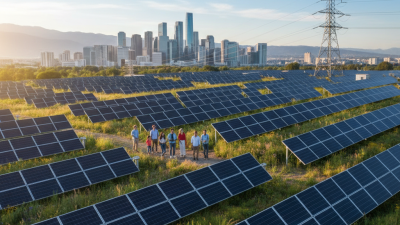
China's solar photovoltaic (PV) market is experiencing dynamic growth. Factors like technological advancements and government policies shape this landscape. The shift towards renewable energy sources is accelerating. As the world's largest market for solar installations, China's trends reflect both opportunities and challenges.
An important trend is the integration of smart technologies into PV solutions. Smart grids and IoT significantly enhance efficiency. These technologies allow for real-time data monitoring. Users can optimize energy consumption and detect issues promptly. However, implementing these technologies can be complex and costly, posing a barrier for small-scale developers.
Tip: When considering installation options, assess the local conditions carefully. Not all technologies fit every environment.
In addition, the demand for sustainable and recyclable materials is increasing. This change addresses environmental concerns linked to solar panel production. Sustainable practices enhance the industry’s credibility. Yet, challenges remain in sourcing these materials economically.
Tip: Research different materials for longevity and environmental impact. Make informed decisions based on reliable sources.
China's solar PV market is multifaceted. Understanding these trends can help stakeholders navigate its complexities. There’s room for improvement, especially in balancing sustainability with cost and efficiency.
Innovative Technologies in PV Installation Solutions
Innovative technologies are reshaping the landscape of photovoltaic (PV) installations in China. In recent years, the growth of solar energy has been exponential. According to a report by the National Energy Administration, China's installed solar capacity reached 370 GW by the end of 2022. This rapid expansion highlights the need for advanced PV installation solutions.
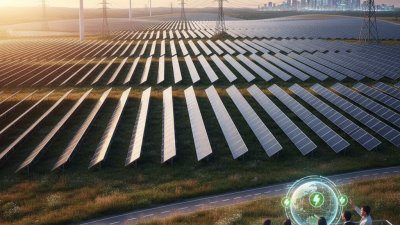
One notable trend is the rise of automated installation processes. Robotics and AI assist in the efficient positioning and installation of solar panels. This reduces labor costs and minimizes human error. Additionally, smart tracking systems are emerging, which optimize solar panel angles throughout the day. These innovations contribute to improved energy capture and overall efficiency. A study by the International Energy Agency indicates that these smart systems can enhance energy output by up to 20%.
However, while technology advances, challenges remain. The integration of these installations into existing infrastructure can be complex. Moreover, the initial costs of these advanced technologies can deter some investors. Continuous research and development are essential to address these barriers and optimize future installations. Balancing innovation with practicality remains a vital consideration in the industry.
Key Players and Stakeholders in China's PV Industry
The photovoltaic (PV) industry in China has seen rapid development in recent years. Key players include manufacturers, suppliers, and government stakeholders. Together, they shape the landscape of solar energy solutions. According to the China Photovoltaic Industry Association, the country accounted for nearly 75% of global solar panel production in 2022.
Moreover, the collaboration among government agencies, research institutions, and private companies is crucial. Policies promoting renewable energy have driven investments. Yet, despite these advancements, issues remain. Local supply chains often struggle with quality control. Many smaller companies find it hard to meet regulatory standards, leading to inconsistent product quality.
In addition, public awareness of solar energy is growing, but misconceptions persist. Consumers may hesitate to invest in PV systems due to perceived complexities. Educational initiatives from industry stakeholders can bridge this gap. As the industry continues to evolve, a collaborative approach will be essential to address these challenges.
Top Trends in China Best PV Installation Solutions
| Trend |
Description |
Key Stakeholders |
Market Share (%) |
| Residential Solar Solutions |
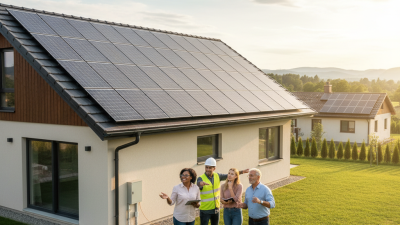
Increasing adoption of solar panels in home installations. |
Homeowners, Installers, Local Governments |
27% |
| Utility-scale Solar Farms |
Large installations providing energy to the grid. |
Energy Companies, Government, Investors |
47% |
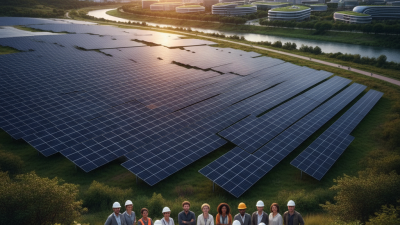
| Floating Solar Panels |
Solar installations on bodies of water to save space. |
Environmental Agencies, Innovators, Local Communities |
15% |
| Bifacial Solar Technology |
Solar panels that capture sunlight from both sides. |
Technology Developers, Manufacturers, Research Institutions |
8% |
| Integrated Solar Solutions |
Combining solar power with other technologies like storage. |
Tech Companies, Consumers, Energy Providers |
3% |
Challenges Facing PV Installation in China
The photovoltaic (PV) installation market in China faces significant challenges. Rapid technological advancements often outpace regulatory frameworks. This gap can lead to confusion among installers and customers alike. Many still lack understanding of the latest safety standards. As a result, adherence to regulations may become inconsistent.
One major issue is the lack of skilled labor. While the demand for installations is growing, trained professionals are not keeping pace. This skills gap can result in subpar installations and lower system efficiencies. Additionally, installation costs can be driven up by delays. These delays stem from the need for rework or retrofitting.
Tips for overcoming these obstacles include investing in training programs. Providing continuous education will help technicians stay updated on best practices. Online courses can facilitate learning. Networking with other professionals can also offer valuable insights. Furthermore, staying informed about regulatory changes is crucial. Regularly reviewing compliance guidelines ensures a smoother installation process.
Future Prospects for Solar PV Installations in China
China is experiencing significant growth in solar photovoltaic (PV) installations. In 2023, the country reached a cumulative installed capacity of over 400 GW. This surge is primarily driven by government policies and technological advancements in PV technology. However, challenges remain in optimizing installation efficiency and grid integration.
The International Energy Agency (IEA) predicts that by 2025, solar energy could supply approximately 30% of China's electricity needs. This potential highlights the urgency of improving installation practices. While progress is evident, issues like land-use conflicts and the quality of installations require attention. Companies must address these shortcomings to maintain momentum.
**Tip:** Focus on optimizing installation methods. Experience has shown that addressing logistical challenges can improve overall efficiency.
Innovation is a key player in future solar PV solutions. Increased investment in Research and Development could lead to more efficient panels and storage solutions. The ambition is to create a sustainable energy ecosystem, yet the path is fraught with obstacles, such as supply chain disruptions.
**Tip:** Regular training and upskilling for installation teams can enhance performance and quality control.
Top Trends in China Best PV Installation Solutions