Top Types of PV Cables Explained for Solar Energy Systems?
In the rapidly growing solar energy sector, understanding the various types of PV cables is essential. PV cables play a crucial role in ensuring efficient energy transfer. According to the Solar Energy Industries Association, the U.S. solar market grew by 43% in 2020, reflecting a significant demand for reliable electrical components.
There are different classifications of PV cables. These cables are designed to withstand harsh conditions such as UV exposure and extreme temperatures. Reports indicate that improperly chosen cables can affect system performance. A study by the National Renewable Energy Laboratory highlights that the right PV cables can improve energy yield by over 5%.
While the advantages of high-quality PV cables are clear, not all options are created equal. It's important to consider factors like insulation type and current rating. Some cables may have limitations that could lead to inefficiencies. Users must be mindful of these aspects to ensure the long-term performance of their solar energy systems.
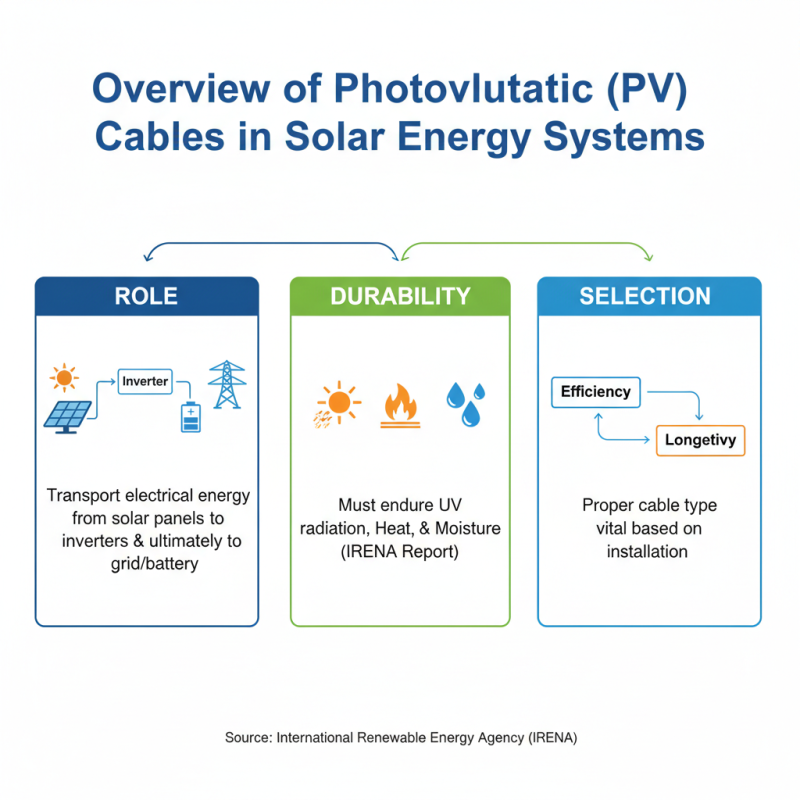
Overview of Photovoltaic (PV) Cables in Solar Energy Systems
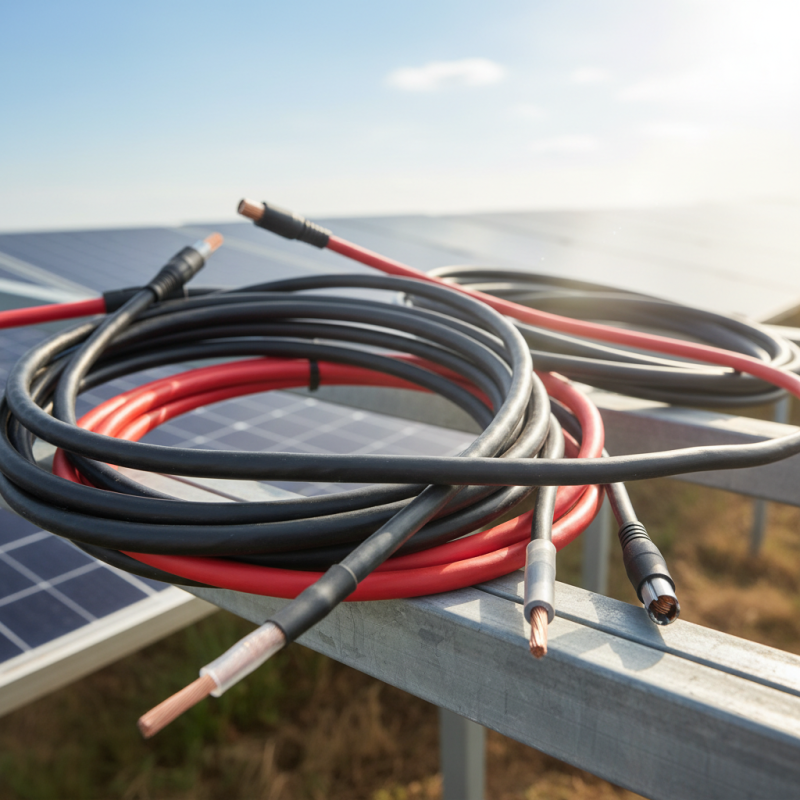
In solar energy systems, photovoltaic (PV) cables play a crucial role. They are designed to transport electrical energy from solar panels to inverters and ultimately to the grid or battery systems. According to a report by the International Renewable Energy Agency (IRENA), PV cables must endure environmental factors such as UV radiation, heat, and moisture. Depending on the installation, selecting the proper cable type is vital for efficiency and longevity.
There are various PV cable types, including both cross-linked polyethylene (XLPE) and thermoplastic elastomer (TPE) options. XLPE cables are known for their excellent thermal resistance, suitable for high temperatures. Studies suggest that they can perform well in temperatures exceeding 90°C. In contrast, TPE cables offer flexibility, making them ideal for installations requiring bending. According to a market analysis, about 30% of PV system failures are attributed to cable issues. This reflects the importance of choosing high-quality cables.
Installation practices also significantly impact the performance of PV cables. Proper routing and weatherproofing can reduce risks like physical damage or water ingress. Some installers overlook these factors, leading to potential system inefficiencies. Regular inspections and maintenance can increase the lifespan of the cables. Failing to address these concerns may lead to costly repairs or reduce overall system reliability.
Types of PV Cables: Standards and Specifications
When it comes to solar energy systems, selecting the right type of PV cable is essential. PV cables connect solar panels to inverters and battery systems. Their standards and specifications ensure they can handle various environmental conditions. These cables typically have high resistance against UV rays, moisture, and temperature fluctuations.
There are two main types of PV cables: single-core and multi-core. Single-core cables are preferable for long distances, as they minimize voltage drop. Multi-core cables offer flexibility and are easier to install in tight spaces. Standards like IEC 62852 and UL 4703 define the quality and safety requirements of these cables. Yet, not every installation adheres strictly to these standards, which can lead to future issues.
The choice of insulation material also plays a critical role. Cross-linked polyethylene (XLPE) is common for its durability. However, some manufacturers may cut corners, resulting in subpar insulation. Users often overlook these details, thinking all cables are the same. Proper knowledge of specifications can help prevent costly mistakes down the line. Awareness of installation practices and local regulations is crucial for optimized performance.
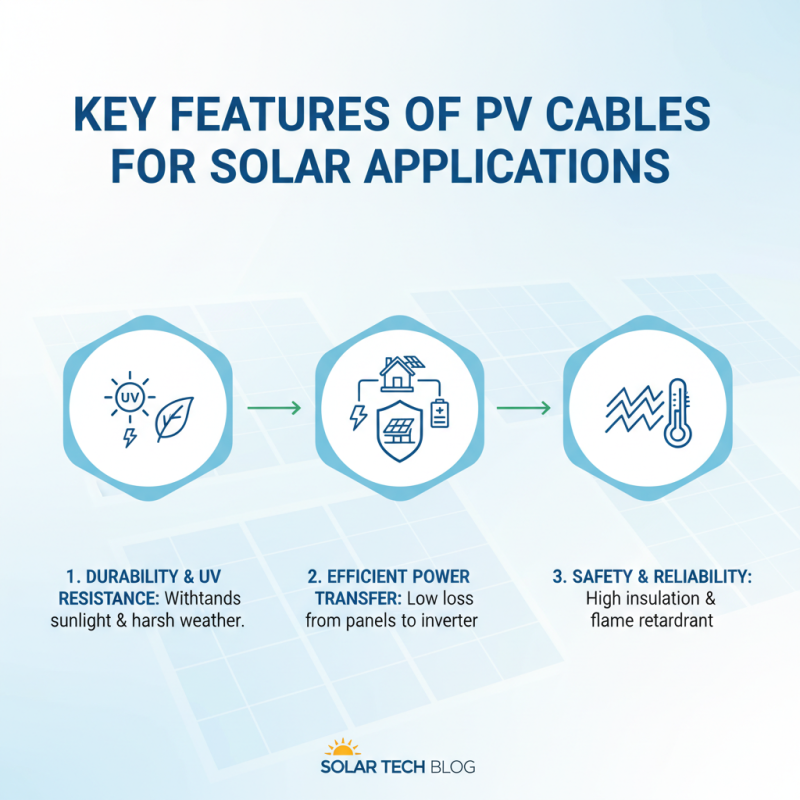
Key Features of PV Cables for Solar Applications
Photovoltaic (PV) cables play a crucial role in solar energy systems. These cables connect solar panels to inverters and other components. Their unique features ensure efficiency and safety in energy transmission. One key aspect of PV cables is their ability to withstand harsh environmental conditions. UV resistance is vital as these cables are often exposed to sunlight for long periods.
Another significant feature is their temperature tolerance. PV cables are designed to function in extreme temperatures, from cold winters to scorching summers. This flexibility prevents energy loss due to thermal degradation. Additionally, the materials used provide excellent insulation, reducing the risk of electrical hazards.
Even with advanced technology, there can be weaknesses. Improper installation may lead to issues over time. It’s essential to follow best practices to avoid faults. Regular inspections can help identify wear or damage. A proactive approach can enhance the longevity of the system, ensuring reliable performance and energy generation for years to come.
Comparison of Common PV Cable Materials
When it comes to solar energy systems, choosing the right PV cable material is crucial for efficiency and safety. The most common materials used for PV cables are copper and aluminum. Copper cables offer lower resistance, making them more efficient. According to the Solar Energy Industries Association, copper’s superior conductivity can increase overall system performance by up to 15%. However, they tend to be more expensive and heavier.
On the other hand, aluminum cables are lighter and more cost-effective. They are often used in larger installations due to their lower weight and ease of handling. Nonetheless, aluminum has higher resistance than copper, which can reduce efficiency. A report from the National Renewable Energy Laboratory noted that while aluminum cables are affordable, they may require larger diameters to compensate for increased resistance.
Additionally, insulation materials like PVC and XLPE play a significant role in the durability and flexibility of PV cables. PVC offers good protection but can degrade faster under UV light. In contrast, XLPE has better thermal performance and chemical resistance but comes at a higher cost. This complexity in material selection shows that there are trade-offs involved in the decision-making process. Understanding these differences can help solar energy stakeholders make informed choices that impact system longevity and performance.
Comparison of Common PV Cable Materials for Solar Energy Systems
Best Practices for Installing and Maintaining PV Cables
Proper installation and maintenance of photovoltaic (PV) cables are critical for the performance and longevity of solar energy systems. During installation, ensure that cables are routed away from sharp edges and hot surfaces. Use cable trays or conduits to protect them from potential damage. Coiling cables tightly can lead to stress. Instead, allow slack for natural movement and thermal expansion.
Regular inspections of PV cables are essential. Look for signs of wear or degradation, such as fraying or discoloration. Visual assessments should be part of routine checks, but consider a thermal camera for deeper insights. It can help identify hot spots that indicate electrical problems. Rainwater can pool around connections, so ensuring adequate drainage is vital. Keeping connections clean will prevent corrosion over time.
Staying informed about best practices is beneficial. Adequate training for maintenance personnel is crucial. Implementing a maintenance schedule fosters reliability. Even minor issues, if overlooked, can escalate. Engaging with industry standards helps uphold safety and performance. Striving for improvement in practices leads to a more efficient solar energy system.
Top Types of PV Cables Explained for Solar Energy Systems
| Cable Type |
Material |
Typical Use Case |
Temperature Rating |
Voltage Rating |
| PV1-F |
Cross-linked Polyethylene (XLPE) |
Solar Panel Connection |
-40°C to +90°C |
1000V |
| PV2-F |
Polyvinyl Chloride (PVC) |
Inverters and Combiner Boxes |
-40°C to +70°C |
600V |
| H1Z2Z2-K |
Halogen-Free, Thermoplastic Elastomer |
Heavy-Duty Applications |
-40°C to +90°C |
1000V |
| Cables with UV Protection |
Polymer with UV Stability |
Outdoor Installations |
-40°C to +90°C |
1000V |