
Why Choose a Solar Battery Box for Energy Storage?

Choosing a Solar Battery Box can make home energy storage more practical, safer, and easier to manage. It stores surplus electricity produced during sunny hours. That energy can support evening lighting, refrigeration, internet equipment, and essential appliances.

A well-designed system may reduce reliance on grid electricity during peak periods. It can also provide useful backup power during short interruptions. In real installations, placement matters. A shaded garage wall, clear ventilation, and protected wiring can improve long-term performance. Installers normally assess battery capacity, inverter compatibility, expected loads, temperature, and local installation requirements before recommending equipment.

Not a magic box.

The strongest reason to choose a Solar Battery Box is its organized design. It can combine battery modules, monitoring features, protection controls, and secure housing in one solution. This arrangement may simplify maintenance and reduce exposed connections. However, performance depends on more than the enclosure. Battery chemistry, charging habits, software settings, and professional installation all influence results. A larger unit is not automatically better for every household.

Reliable energy planning requires realistic expectations. A family using electric heating will need a different capacity than a small apartment with modest evening demand. Reviewing electricity bills and measuring actual usage can prevent costly over-sizing. Product certifications, manufacturer documentation, warranty conditions, and qualified installation support should also guide the decision. The technology is valuable, but careful planning remains essential. That point is easy to overlook.
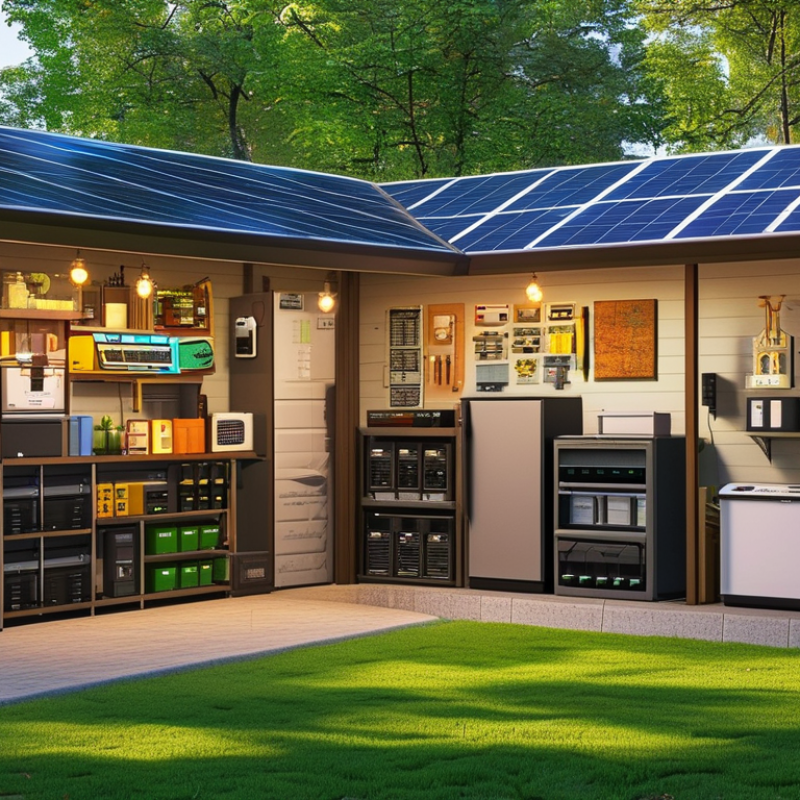
Why Choose a Solar Battery Box for Energy Storage?

What Is a Solar Battery Box and How Does It Work?

A solar battery box is a protected enclosure that stores electricity produced by solar panels. Inside, it usually contains battery cells, a battery management system, sensors, and safety controls. Some systems also include an inverter or charge controller. The box is more than a container. It coordinates charging, discharging, temperature monitoring, and emergency shutdown.

During sunny hours, solar panels may generate more power than a home needs. The battery box receives this surplus electricity and stores it as chemical energy. After sunset, it releases that energy through an inverter, which converts direct current into usable household electricity. The management system checks voltage and temperature continuously. If conditions become unsafe, it can limit charging or disconnect the battery.

In practical installations, placement matters greatly. A shaded, dry location can reduce heat stress and improve service life. The enclosure should match local weather conditions, electrical requirements, and available space. Correct sizing is also essential. An oversized battery may cost more than necessary, while a small one may empty before morning.

It is not a magic suitcase. Battery performance changes with age, temperature, and charging habits. Professional installation, certified components, and regular inspection help reduce avoidable risks. One detail is easy to overlook: emergency access should remain clear. A tidy installation looks better, but safe access matters more.

Which Energy Storage Needs Can a Solar Battery Box Meet?

A solar battery box can meet several practical energy storage needs, not just store unused daytime electricity. It can capture surplus solar power at noon and release it after sunset, increasing household self-consumption. This helps reduce evening grid purchases when cooking, cooling, and lighting loads rise. The International Energy Agency reported in 2024 that global energy storage capacity must increase sixfold by 2030, reaching about 1,500 GW, to support renewable electricity growth.

Backup power is another important need. During a short outage, a properly configured battery box can keep refrigerators, internet equipment, medical devices, and selected lights running. It may also support peak shaving by discharging when electricity prices or demand charges increase. The U.S. Energy Information Administration identifies energy shifting, backup capacity, and grid services as key battery storage applications. A solar battery box can serve small homes, remote cabins, and commercial sites, but its usable capacity matters more than its advertised capacity.

Sizing is easy to underestimate. A 10 kWh battery does not deliver every stored kilowatt-hour, because reserve limits and conversion losses reduce output. Poor solar production during several cloudy days can also expose a planning mistake. Field experience shows that users often protect too many appliances at once. A better design lists essential loads, starting power, outage duration, and seasonal sunlight. Safety certification, ventilation, installation quality, and regular monitoring remain necessary. The technology is useful, but it is not a magic box.

What Are the Main Benefits of Using a Solar Battery Box?

A solar battery box stores excess electricity generated during sunny hours and makes it available later. In practical home energy planning, this can reduce reliance on the grid during evening cooking, heating, or short outages. The enclosure also protects the battery from dust, moisture, accidental contact, and physical damage. That matters in a garage or utility room.

Safety is a major benefit. A well-designed box can include ventilation, temperature monitoring, circuit protection, and controlled charging. These features help reduce overheating risks when the battery works hard on hot afternoons. It also keeps cables organized. Installation becomes easier to inspect and maintain. However, protection depends on correct sizing and professional installation. A box cannot fix poor wiring or an unsuitable battery.

Energy independence is another advantage. Stored power can run essential loads, such as lights, a refrigerator, a router, or medical equipment with appropriate backup planning. Some systems provide monitoring through a display, showing charge levels and daily energy use. This information helps households adjust consumption instead of guessing. Still, storage has limits. A small battery may empty quickly during extended cloudy weather. Capacity, usable energy, temperature, warranty conditions, and local electrical requirements should be checked carefully. The cheapest option is not always the most reliable one.

Why Choose a Solar Battery Box for Energy Storage? - What Are the Main Benefits of Using a Solar Battery Box?

Data dimension Typical data or specification Main benefit of a solar battery box
Solar energy utilization Stores surplus electricity produced during daylight hours for later use Reduces the need to export unused solar power and increases on-site solar consumption
Energy shifting Charges when solar generation is high and discharges during evening or low-generation periods Helps match solar generation with household or facility demand
Round-trip efficiency Approximately 85%–95% for many modern lithium-based storage systems; actual results depend on the battery and inverter Allows most stored energy to be recovered for later use while limiting conversion losses
Usable depth of discharge Often about 90%–100% for lithium iron phosphate systems, subject to the manufacturer’s operating limits Provides access to a large portion of the nominal battery capacity without routinely over-discharging the cells
Cycle life Approximately 3,000–6,000 cycles is common for many LFP battery products under specified test conditions Supports frequent daily charging and discharging over a long service period
Backup power capability Can supply selected essential circuits during a grid outage when paired with compatible backup equipment Improves resilience for lighting, communications, refrigeration, networking equipment, and other priority loads
Power output Determined by the inverter and battery system; continuous output may range from a few kilowatts for residential systems to much higher levels for commercial systems Allows the system to be selected according to starting loads, continuous demand, and backup priorities
Battery chemistry Lithium iron phosphate, or LFP, is widely used because of its thermal stability and long cycle life Offers a practical balance of safety, durability, usable capacity, and maintenance requirements
Battery management system Monitors cell voltage, temperature, state of charge, and charging or discharging limits Helps protect the battery from overcharging, excessive discharge, overheating, and cell imbalance
Enclosure protection Outdoor models may use a weather-resistant enclosure with an ingress-protection rating; the exact rating varies by product Protects internal components from dust, moisture, and accidental contact when correctly installed
Modular capacity Many systems allow additional battery modules to be connected within specified voltage, current, and communication limits Makes it easier to expand storage as energy demand or solar-panel capacity increases
Operating temperature Performance and charging limits vary with temperature; many systems use temperature monitoring and may require heating or cooling in extreme conditions Helps maintain safe operation and reduces performance loss caused by unsuitable ambient conditions
Monitoring and control Common functions include state-of-charge readings, power-flow data, event alerts, and remote status monitoring Improves visibility of energy use and helps identify abnormal operating conditions quickly
Maintenance requirement Typically lower than conventional fuel-based backup systems because there is no routine fuel storage, oil change, or engine servicing Can reduce routine maintenance tasks and simplify household or facility energy management

Note: Values are general industry ranges for modern solar battery systems. Actual capacity, efficiency, cycle life, protection rating, temperature range, and output depend on the selected system, installation conditions, operating profile, and applicable safety standards.

How Do You Choose the Right Solar Battery Box?

Choosing the right solar battery box starts with your daily electricity pattern, not its advertised capacity. Measure evening loads, backup needs, and seasonal solar production. A larger unit is not automatically better. Oversizing can increase cost while leaving capacity unused.

The International Energy Agency reported that global battery storage additions reached about 42 GW in 2023, more than twice the previous year. This growth makes product selection more important, not simpler. Compare usable capacity, round-trip efficiency, cycle life, warranty terms, and inverter compatibility. Check whether the enclosure suits your installation area, especially temperature, humidity, dust, and ventilation. A unit rated for indoor use may fail outdoors. Safety certification and documented installation procedures also matter. Real homes rarely follow the spreadsheet perfectly. Leave a practical margin for cloudy weeks and battery ageing.

Tips: Request independent test data, not only sales figures. Confirm the continuous power rating for pumps, refrigerators, or other starting loads. Ask an accredited installer to inspect cable size, protection devices, and emergency shutdown access. The U.S. National Renewable Energy Laboratory commonly models lithium-ion systems near 85% round-trip efficiency, but actual results vary with temperature, load, and control settings. That difference can affect your payback. Review your electricity bills for at least twelve months before choosing. A short estimate may mislead.

Why Choose a Solar Battery Box for Energy Storage?

How Do You Choose the Right Solar Battery Box?

This comparison uses a representative 10 kWh battery box. Usable energy is based on typical recommended depth of discharge, while delivered energy also considers typical round-trip efficiency. Lithium iron phosphate systems generally provide more usable energy, longer cycle life, and better daily-storage performance than lead-acid systems. When choosing a solar battery box, compare usable capacity, depth of discharge, round-trip efficiency, cycle life, safety certification, operating temperature, and compatibility with your inverter.

What Safety and Maintenance Factors Should You Consider?

A solar battery box can protect stored energy, but safety depends on more than a strong enclosure. Choose a box with suitable ventilation, temperature control, and protection against dust and moisture. Keep it away from heaters, direct sunlight, flammable materials, and areas prone to flooding. Keep it dry.

The battery management system should monitor voltage, temperature, and charging conditions. A qualified installer should check cable sizing, terminal tightness, grounding, and emergency isolation. Small details matter. Loose connections can create heat, while blocked vents may raise internal temperatures. Install smoke detection where local safety guidance recommends it. Never modify protective controls to gain extra capacity.

Maintenance should follow the battery maker’s instructions and local electrical rules. Inspect the box for swelling, corrosion, cracked seals, unusual smells, or clicking sounds. Stop using the system if damage appears. Inspect before guessing. Clean dust with a dry, non-conductive cloth, and keep drainage paths clear. Record every check, including temperature readings and warning messages.

In practice, maintenance records help technicians identify gradual changes before a failure occurs. However, inspection alone is not enough; software updates, capacity tests, and professional electrical checks may also be required. That sounds obvious. It is often missed. A reliable setup includes clear access, visible labels, and a documented shutdown procedure for emergencies.