Top 10 Best Solar Wire Options for Global Buyers?
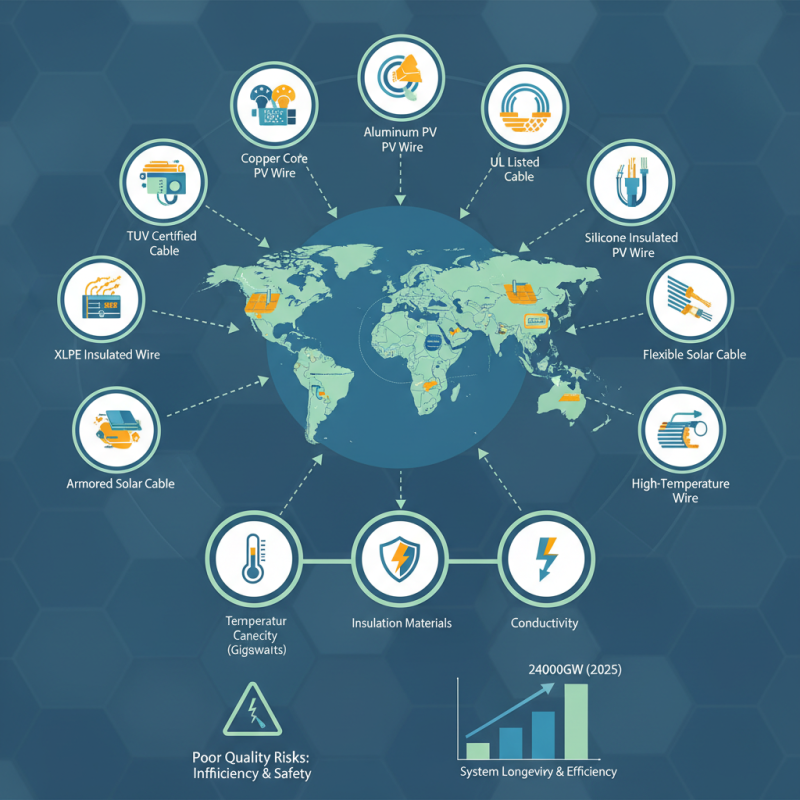
As the global shift towards renewable energy accelerates, the demand for high-quality solar wire has surged. According to the International Energy Agency, solar energy capacity is projected to reach 2,400 gigawatts by 2025. This dramatic growth emphasizes the need for reliable components, especially solar wire, to ensure system efficiency and safety. The right selection significantly impacts performance and longevity.
While numerous options exist, choosing the best solar wire can be challenging. Factors like temperature ratings, insulation materials, and conductivity are crucial. A report from EnergySage highlights that poor-quality solar wire can lead to inefficiencies, posing risks to both performance and safety. It’s not just about cost; understanding specifications and applications makes a difference.
Evaluating various solar wire types is essential. While many buyers focus heavily on price, product performance should not be overlooked. The best choices may offer better insulation against environmental factors. This careful consideration can result in substantial long-term savings. Emphasizing quality can lead to enhanced reliability and system longevity. Ultimately, informed decisions in selecting solar wire not only fulfill current needs but also contribute to sustainable energy futures.
Top Characteristics to Consider When Selecting Solar Wires
When selecting solar wires, understanding key characteristics is essential. Factors like temperature rating, insulation type, and wire gauge significantly affect performance. Look for wires with a high-temperature rating to withstand extreme conditions. This ensures durability and efficiency, especially in hot climates.
Consider the wire's insulation material. UV resistance is vital for outdoor use. High-quality insulation prevents degradation, prolonging the wire's lifespan. Many buyers overlook this detail, but it can lead to future issues. Thin insulation might save money upfront but often results in faster deterioration.
Tips: Always verify the wire's specifications against installation requirements. Don't hesitate to ask for expert opinions. Additionally, keep in mind that thicker wires have less resistance. This choice could improve efficiency over time. Remember, investing in quality solar wires can lead to long-term gains.
Understanding the Different Types of Solar Wire Materials and Their Benefits
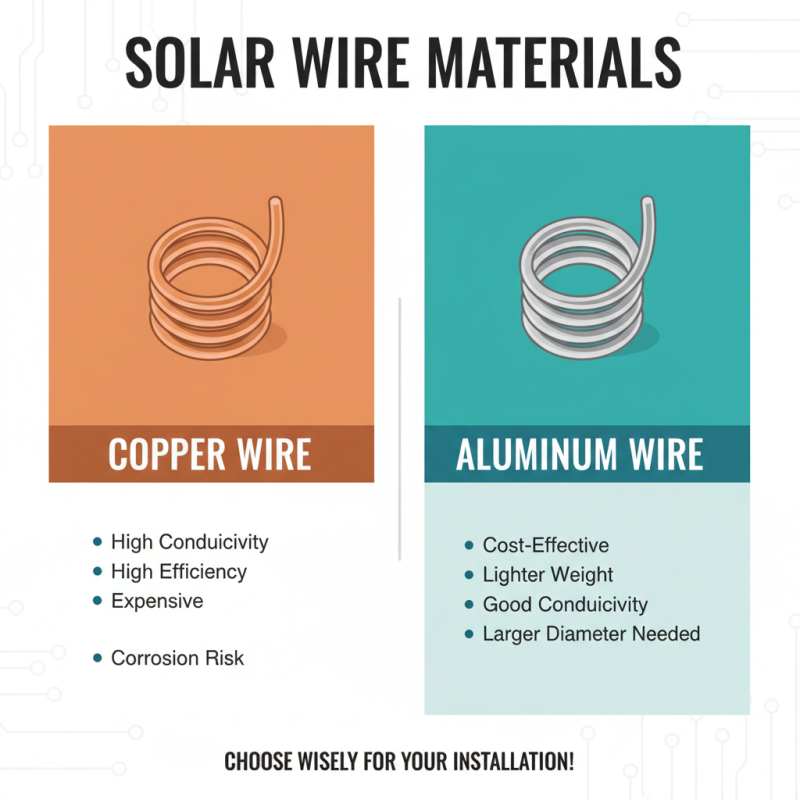
When selecting solar wire, understanding the different materials is crucial. Copper and aluminum are the most common choices. Copper offers excellent conductivity, making it ideal for high-efficiency installations. However, it is often more expensive and subject to corrosion. Aluminum, on the other hand, is lighter and more cost-effective. It has good conductivity too, but may require larger diameter wires for the same performance.
Thermoplastic and cross-linked polyethylene are popular insulation materials for solar wires. Thermoplastic is flexible, making installation easier. It withstands sunlight well, but may degrade over time. Cross-linked polyethylene is more durable and resistant to heat and chemicals. This makes it suitable for challenging environments. Choosing the right type can significantly impact the longevity and efficiency of your solar system.
It's easy to overlook the importance of wire quality. Low-quality wires can lead to energy losses and safety hazards. An efficient solar system relies on reliable components. The wrong choice can force you to invest more later. Careful consideration of wire types ensures a safe and effective solar setup.
Key Voltage Ratings and Temperature Ranges for Optimal Solar Wire Performance
When considering solar wire, voltage ratings and temperature ranges are critical. These factors determine the wire's reliability and efficiency in varying conditions. Solar wires are typically rated for high voltages, often reaching up to 600 volts for residential use. However, certain installations may require wires that can handle even more. Checking the voltage rating is essential for safety and performance.
Temperature resilience is equally important. Solar wires should function effectively in extreme conditions, from freezing temperatures to scorching heat. High-quality wires are designed to maintain flexibility and conductivity in both scenarios. This ensures efficiency and longevity, reducing maintenance needs.
Tip: Always choose a wire that fits the specific environmental conditions of your installation site. It matters. A mismatched wire can lead to performance issues down the line. Additionally, consider insulation types. Some are better suited for harsh weather, while others excel in milder climates.
Another tip: regularly inspect your solar wiring. Look for signs of wear and stress. Addressing issues early can save you from costly repairs or replacements. Remember, the right solar wire is not just about initial selection; it also involves ongoing maintenance for optimal performance.
Comparative Analysis of Solar Wire Brands Based on Industry Standards
Selecting the right solar wire is crucial for optimal energy efficiency. A comparative analysis can provide insights into different options available. Industry standards highlight that wires must comply with specific voltage ratings and temperature ranges. According to the National Electrical Code (NEC), solar module conductors should have a minimum of 90°C rating. This ensures safety and longevity in varying environmental conditions.
One crucial aspect is the wire's insulation type. Cross-linked polyethylene (XLPE) insulation is often recommended for its durability. Reports indicate that cables using this material significantly reduce potential failures compared to other types. Statistics show that improper wiring can lead to a 20% reduction in system performance. Therefore, quality control measures are essential for manufacturer credibility.
Furthermore, it’s important to evaluate conductor sizes. The American Wire Gauge (AWG) provides guidelines dictated by the current carrying capacity. Wires that are too thin can overheat and cause energy losses. Data suggests that using appropriate sizes can improve efficiency by up to 15%. This highlights the need for careful consideration when choosing solar wires. Each choice should not only meet current standards but also anticipate future energy needs.
Top 10 Best Solar Wire Options Comparative Analysis
Global Market Trends and Pricing Insights for Solar Wire Options
The global market for solar wire has been evolving rapidly. The international demand for photovoltaic systems is projected to grow significantly in the coming years. According to a report by Grand View Research, the market size for solar wire is expected to reach $4.8 billion by 2025, growing at a compound annual growth rate (CAGR) of over 17%. This growth is driven by an increased emphasis on renewable energy solutions.
Pricing trends in the solar wire sector fluctuate according to material costs and demand dynamics. Copper prices, a major component of solar wires, showed volatility in recent months, impacting overall costs. Experts noted that high-quality cables remain a priority, ensuring safety and efficiency. Moreover, recent studies have shown that consumers often underappreciate the importance of wire gauge and insulation types, which can affect long-term performance.
While many buyers focus on upfront costs, the total lifecycle cost is equally crucial. Opting for cheaper wire can lead to issues like energy loss and increased maintenance. Industry professionals urge buyers to consider durability and warranty options. Investing in reliable solar wire can yield better performance over time, but this requires careful evaluation of options available in the market.