Choosing reliable sunlight solar manufacturers requires more than comparing panel efficiency or a polished product brochure. Global buyers must examine factory capacity, cell technology, warranty language, financial stability, certifications, and after-sales support. A low price can hide costly delays.
Fatih Birol, Executive Director of the International Energy Agency, stated, “Solar PV is going to be the single biggest source of electricity generation worldwide by 2027.” His observation reflects the sector’s rapid expansion, but demand alone does not guarantee dependable suppliers. Manufacturing quality still varies between product lines, factories, and export markets.
This guide introduces China’s top 10 sunlight solar manufacturers for international buyers. The selection considers production scale, research investment, shipment experience, module reliability, and global service networks. It also recognizes practical concerns, including delivery risk, unclear warranty procedures, and inconsistent distributor support. No ranking is perfect. Market conditions change quickly.
Real-world purchasing experience matters. A strong supplier should provide traceable test reports, clear specifications, stable communication, and realistic performance expectations. Buyers should also verify current certifications independently, rather than relying only on sales materials. Some manufacturers appear impressive online but offer limited support after installation.
Details matter. A container delayed at a port can affect an entire construction schedule. A small difference in temperature coefficient can influence long-term project output. This article therefore focuses on evidence, not advertising claims. Readers should still conduct their own technical and commercial due diligence before signing a contract.
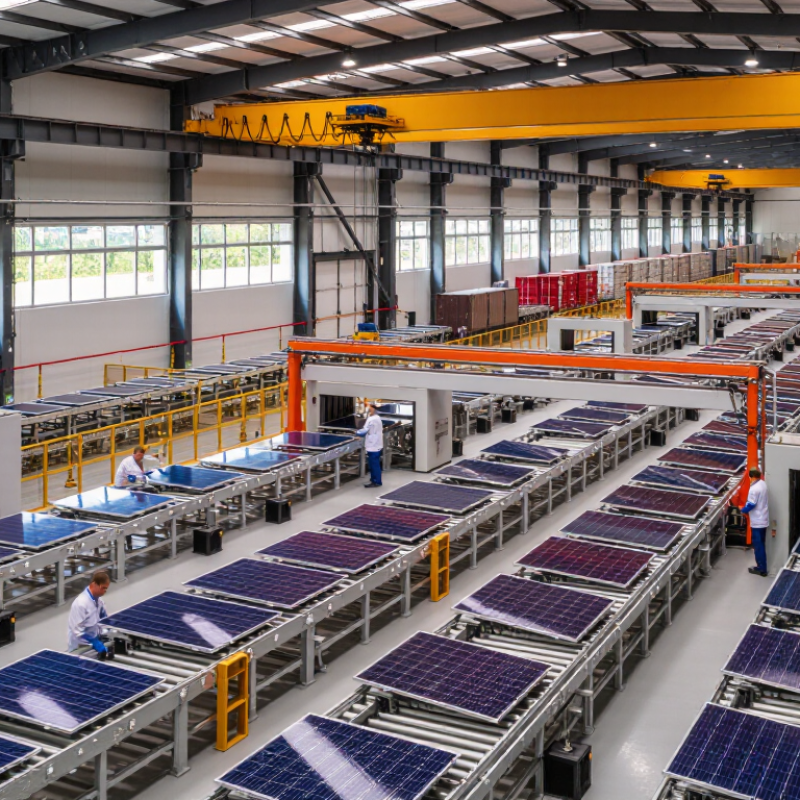
China’s leading sunlight solar manufacturers operate within the world’s largest photovoltaic supply chain. The China National Energy Administration reported 277.17 GW of new solar capacity in 2024, lifting national capacity to about 887 GW. This scale supports strong production experience, competitive pricing, and faster equipment upgrades. However, capacity alone proves little. Buyers still need to examine factory quality systems, production traceability, and after-sales resources.
The IEA PVPS Trends 2024 report identifies China as the dominant contributor to global photovoltaic deployment. The report also highlights continuing pressure on manufacturers from falling module prices and intense competition. That pressure can affect service quality. Buyers should compare degradation guarantees, test records under IEC 61215 and IEC 61730, and independent inspection results.
Physical details matter: clean glass edges, consistent frame joints, readable serial codes, and secure packaging often reveal production discipline. Small checks help.
CPIA data also shows rapid progress in high-efficiency cell technologies, including n-type designs. Yet technology claims require evidence from certified laboratories and operating projects. A product sheet is not field experience. No ranking is perfectly objective; shipment volume may overlook financial stability or regional support. A careful global buyer should therefore assess manufacturers through several years of data, not a single sales season.
Sunlight solar manufacturers begin with a design decision: efficiency, durability, or lower cost. Modern PV modules often use larger silicon wafers, passivated contacts, and bifacial cells. These choices increase energy yield but demand tighter process control. According to IEA PVPS Trends 2024, global photovoltaic additions reached about 456 GW in 2023. That scale makes manufacturing consistency essential.
Production starts with wafer inspection and cell testing. Workers monitor surface defects, electrical resistance, and metallization quality. Cells are then interconnected, layered with encapsulant, and sealed inside glass and a protective backsheet. Vacuum lamination removes trapped air and reduces moisture entry. Small defects matter. Electroluminescence testing can reveal hidden cracks before shipment, while flash testing measures power under controlled light. IEC 61215 and IEC 61730 provide important qualification and safety requirements, although laboratory compliance cannot replace factory discipline.
Material selection also affects real-world performance. The IEA PVPS report notes continued movement toward high-efficiency n-type technologies, while Fraunhofer ISE’s Photovoltaics Report 2024 records rising commercial module efficiencies. Yet reported market figures sometimes differ. IRENA reported approximately 1.42 TW of global solar capacity at the end of 2023, while other datasets use different installation boundaries. Data can disagree. Buyers should examine test conditions, degradation warranties, traceability records, and independent certification. A clean production line helps, but human mistakes remain possible. That is why reliable manufacturers combine automated inspection with experienced engineering teams and repeated sampling.
China’s top ten sunlight solar manufacturers serve global buyers through varied product lines and strong production networks. Their portfolios commonly include monocrystalline modules, bifacial panels, lightweight rooftop products, solar cells, inverters, and mounting systems. Manufacturing strengths often include automated assembly, high-volume cell production, electroluminescence testing, and climate-chamber evaluation. Some factories also provide customized dimensions, labeling, packaging, and project-based technical support. However, a “top ten” ranking changes with capacity, delivery records, and market demand.
Experienced buyers should examine more than name recognition. Request recent factory audit reports, product test certificates, material traceability, and verified performance data. Check how manufacturers control soldering, lamination, glass quality, and junction-box sealing. These details affect output in hot, humid, dusty, or coastal environments. Warranty language also needs careful review, especially for claims handling and local service access. Factory scale looks impressive, but scale alone does not guarantee consistent quality. I have seen attractive specifications hide weak documentation.
Tips: Compare at least three production samples, not only brochures. Confirm batch-level testing before shipment. Ask for temperature coefficients and low-light performance data. Review independent inspection procedures. If a supplier avoids clear answers, pause the purchase. A small pilot order may reveal packaging damage, delivery delays, or uneven workmanship. It is not perfect protection, but it reduces expensive surprises.
| Rank | Anonymized Profile | Primary China Base | Main Product Lines | Cell and Module Technologies | Typical Utility-Scale Module Output | Manufacturing and Supply Footprint | Common Quality and Compliance Coverage | Manufacturing Strength for Global Buyers |
|---|---|---|---|---|---|---|---|---|
| 1 | Profile 01 | Jiangsu | Monocrystalline PV modules, solar cells, wafers, and integrated utility-scale solutions | N-type TOPCon, large-format rectangular wafers, bifacial glass-glass modules | Approximately 600–650 W | Large-scale production in China with overseas assembly and regional sales support | IEC 61215, IEC 61730, ISO 9001, ISO 14001, ISO 45001 | Highly integrated manufacturing, strong project-bankability profile, and broad utility-scale supply capacity |
| 2 | Profile 02 | Zhejiang | High-efficiency PV modules, cells, wafers, and distributed-generation systems | N-type TOPCon, PERC, bifacial modules, half-cut and multi-busbar designs | Approximately 570–630 W | Multiple Chinese manufacturing campuses with export logistics serving Europe, Asia, and the Americas | IEC product certification, ISO management systems, PID and salt-mist testing | Mature mass production, flexible product configurations, and experience with residential, commercial, and utility markets |
| 3 | Profile 03 | Anhui | Monocrystalline modules, solar cells, silicon wafers, and renewable-energy project equipment | TOPCon and PERC platforms, bifacial modules, high-density interconnection | Approximately 580–650 W | Vertically integrated Chinese production with international warehouses and project-delivery networks | IEC 61215, IEC 61730, ISO 9001, ISO 14001, extended reliability testing | Strong control of upstream materials, competitive cost structure, and dependable high-volume delivery |
| 4 | Profile 04 | Shanghai | Premium PV modules, advanced cells, smart energy systems, and utility-scale power solutions | N-type TOPCon, heterojunction, bifacial glass-glass, high-power modules | Approximately 600–700 W | Manufacturing and technology operations in China supported by overseas sales and service offices | IEC certification, ISO systems, fire-safety testing, mechanical-load and climate testing | Strong research and development capabilities, advanced automation, and premium module positioning |
| 5 | Profile 05 | Hebei | PV modules, solar cells, wafers, mounting-related products, and integrated solar solutions | TOPCon, PERC, bifacial modules, half-cell and multi-busbar architecture | Approximately 570–650 W | Large domestic production base with global channel coverage and export-oriented packaging capability | IEC 61215, IEC 61730, ISO 9001, ISO 14001, damp-heat and thermal-cycle testing | Broad product portfolio, competitive pricing, and suitability for large-volume international procurement |
| 6 | Profile 06 | Guangdong | Residential and commercial PV modules, flexible solar products, and distributed-energy systems | N-type TOPCon, shingled and half-cell designs, lightweight and all-black modules | Approximately 430–620 W | Chinese manufacturing supported by contract production, export distributors, and regional technical service | IEC certification, ISO management systems, CE marking, salt-mist and ammonia-resistance tests | Good customization capability, attractive designs for rooftops, and strong small-to-medium project flexibility |
| 7 | Profile 07 | Jiangsu | High-efficiency solar cells, utility modules, residential modules, and energy-storage integration | TOPCon, PERC, bifacial glass-glass, large-format modules with reduced temperature coefficient | Approximately 580–660 W | Automated Chinese production lines with overseas distribution hubs and established EPC relationships | IEC 61215, IEC 61730, ISO 9001, ISO 14001, product traceability controls | Consistent manufacturing quality, robust traceability, and strong support for commercial and utility tenders |
| 8 | Profile 08 | Sichuan | Silicon materials, wafers, cells, monocrystalline modules, and complete solar-power packages | Monocrystalline PERC and TOPCon, bifacial modules, high-density cell layouts | Approximately 560–640 W | Upstream-oriented manufacturing in western China with nationwide logistics and international export channels | IEC product standards, ISO 9001, ISO 14001, ISO 45001, environmental reliability testing | Strong upstream integration, silicon-material expertise, and improved supply resilience for long-term contracts |
| 9 | Profile 09 | Fujian | PV modules for residential, commercial, agricultural, and utility-scale applications | TOPCon, PERC, bifacial modules, half-cut cells, and compact rooftop formats | Approximately 450–630 W | Domestic production with export-oriented sales teams and third-party logistics partnerships | IEC 61215, IEC 61730, CE, ISO 9001, hail, wind-load, and humidity testing | Practical rooftop product range, responsive order customization, and competitive medium-volume purchasing options |
| 10 | Profile 10 | Hubei | Monocrystalline PV panels, specialized modules, off-grid products, and commercial solar kits | PERC and TOPCon, bifacial and semi-flexible formats, half-cell interconnection | Approximately 400–620 W | China-based production with export distributors serving emerging markets and remote-power projects | IEC certification, ISO 9001, CE marking, PID, UV, salt-mist, and mechanical-load testing | Flexible minimum-order quantities, application-specific engineering, and suitability for distributed and off-grid projects |
China’s leading sunlight solar manufacturers are judged by more than production capacity. Global buyers should verify IEC 61215 and IEC 61730 testing for module durability and electrical safety. Factory audits should also examine traceability, calibration records, and batch-level inspection data. These details matter when panels face salt mist, desert dust, or repeated freezing.
The International Energy Agency reported that global solar PV capacity exceeded 1,400 GW in 2023, showing how quickly procurement standards are becoming international. Manufacturers serving Europe, North America, Asia, and emerging markets often maintain ISO 9001 quality systems, ISO 14001 environmental systems, and ISO 45001 workplace safety systems. However, an ISO certificate does not guarantee stable field performance. Buyers should request independent test reports, power-degradation records, and clear warranty procedures.
Market reach also requires practical evidence. Check whether the supplier has regional warehouses, multilingual technical support, and documented customs experience. IRENA’s Renewable Capacity Statistics 2024 recorded 345 GW of new solar capacity added globally in 2023. That growth increases pressure on delivery schedules and after-sales service. A serious evaluation should compare factory capacity with audited output, not promotional claims. Some suppliers may pass certification audits yet struggle with replacement logistics. That weakness deserves attention. Performance data can also be incomplete, especially for newer technologies. Independent verification remains necessary before a large purchase.
Global buyers should evaluate a Chinese solar supplier beyond catalogue prices and polished websites. Request the legal company name, factory address, export history, and current production capacity. Then verify these details through registration records, trade references, and an independent audit. A video call is useful, but it cannot replace a site visit. Walk through the cell, module, and packaging areas. Look for batch labels, calibration records, safety controls, and clean storage.
Ask for recent test reports from accredited laboratories, not only supplier-made spreadsheets. Check power tolerance, temperature coefficients, mechanical load ratings, and warranty terms. Match every figure with an approved sample and your installation conditions. A sample can pass while mass production drifts. So request samples from different batches when the project is large. Keep photos and signed specifications in the purchase file.
Commercial reliability matters as much as efficiency. Compare lead times against actual capacity, not optimistic promises. Clarify packaging dimensions, inspection points, spare parts, claims handling, and response times. Use a contract with measurable acceptance criteria and staged payments tied to inspection. Be careful with unusually low quotes. They may exclude testing, insurance, or inland transport. I would also question my own assumptions: a large factory is not automatically the best fit. A smaller supplier may offer closer communication, yet carry greater continuity risk. Ask what happens if a key material becomes unavailable. That answer often reveals more than a sales presentation.