2026 Top Sun Solar Panel Types for Global Buyers?
For global buyers, choosing among today’s sun solar panel types requires more than comparing wattage and prices. Monocrystalline modules remain popular for compact rooftops and strong lifetime output. TOPCon panels offer improved efficiency and lower degradation in many projects. Heterojunction technology performs well in hot conditions, while back-contact designs can maximize power in limited spaces. Thin-film modules still deserve attention where weight, flexibility, or weak-light performance matters.
IEA Executive Director Fatih Birol has stated, “Solar PV is the cheapest source of electricity in history.” That claim reflects falling module costs, but it does not make every panel suitable for every site. Buyers should examine temperature coefficients, warranty terms, independent test results, and the manufacturer’s financial stability. A panel rated at 450 watts may deliver less value than a durable 430-watt model in a dusty, humid region. Real conditions matter.
This guide compares the 2026 leading sun solar technologies for residential, commercial, and utility-scale buyers. It considers efficiency, heat performance, degradation, installation space, and supply reliability. Certifications such as IEC testing can support trust, but paperwork alone cannot predict field performance. Local installers and operating data remain valuable evidence. No ranking is permanent. Manufacturing quality can vary between factories and production batches. Even experienced buyers can overlook mounting systems, inverters, or future maintenance costs. That is the uncomfortable part. The best choice is rarely the newest panel; it is the one that fits the site, budget, climate, and risk tolerance.
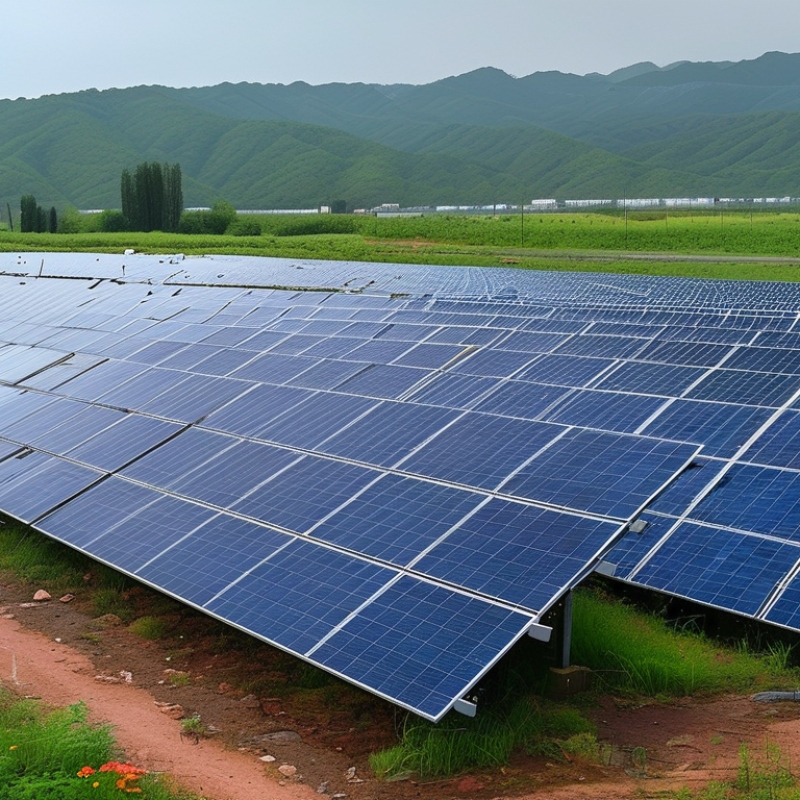
Solar Panel Type Fundamentals for Global Buyers in 2026
Solar Panel Type Fundamentals for Global Buyers in 2026
In 2026, buyers should compare solar panel types by climate, roof structure, and lifetime output. Monocrystalline silicon remains the main choice for space-limited projects. Newer n-type designs, including TOPCon and heterojunction structures, generally offer stronger temperature performance and lower degradation. However, results depend on installation quality and verified testing.
Bifacial panels can produce extra energy from reflected ground light. Their advantage grows on bright surfaces, raised racking, and low-shade sites. Thin-film panels may perform steadily in high heat or weak light, but they often need more land. The International Renewable Energy Agency reported that solar capacity reached about 1,419 GW globally by the end of 2023. IEA PVPS also reported more than 400 GW of new photovoltaic capacity in 2023. These figures show market scale, not guaranteed project value. That distinction matters.
Tips: Ask for independent test data, temperature coefficients, degradation rates, and fire classifications. Check performance under dust, humidity, snow, and salt exposure. Compare energy yield, not only peak wattage. A high-efficiency panel may still underperform with poor ventilation. Buyers should also examine local recycling rules and warranty enforcement. Some specifications look impressive. Real conditions can disagree.
How Monocrystalline and Polycrystalline Panels Compare
2026 Top Sun Solar Panel Types for Global Buyers?
How Monocrystalline and Polycrystalline Panels Compare
Monocrystalline panels use single-crystal silicon cells, giving them a dark, uniform appearance. They usually provide higher efficiency, often around 20% or more, depending on the product and test conditions. This matters on small roofs, where every square meter counts. They also tend to perform slightly better in hot conditions and low light, although installation quality remains critical.
Polycrystalline panels use multiple silicon crystals and commonly show a blue, grain-like surface. Their efficiency is generally lower, so they need more roof area for the same system capacity. However, they can offer practical value where land is available and initial equipment costs matter. Prices change by region, shipping route, taxes, and supply conditions. A simple price comparison can mislead buyers.
I once inspected a system where high-efficiency panels were installed on a shaded roof. The expensive choice did not solve the design problem. Shade mapping, roof direction, ventilation, and inverter matching deserved more attention. Buyers should check independent performance testing, temperature coefficients, degradation figures, and local installation experience. Look for testing aligned with recognized IEC standards. Warranties also need careful reading; coverage may exclude poor mounting or unusual weather. Polycrystalline panels are not automatically outdated, and monocrystalline panels are not automatically superior. The right choice depends on roof space, climate, budget, and maintenance access. Real projects are rarely perfect.
Key Performance Factors Across Different Solar Panel Types
For global buyers in 2026, panel selection should begin with operating conditions, not the highest laboratory efficiency. Monocrystalline modules usually deliver strong output where roof space is limited. Their dark cells perform well, but heat still reduces production. Polycrystalline designs may cost less, although they generally need more area for the same capacity. Thin-film modules can perform steadily in high temperatures and weak light. Their lower efficiency may demand larger mounting surfaces.
Performance comparisons should include temperature coefficient, low-light behavior, shading response, degradation rate, and mechanical load rating. Bifacial modules can add energy above bright roofs, yet gains depend on spacing, surface reflectance, and installation height. In a hot coastal project, corrosion resistance and sealed connectors matter as much as the nameplate rating. In snowy regions, tested load capacity deserves close attention. Ask for independent test data, warranty terms, and local installation records. A one-page datasheet is not enough. Real output varies. Conditions change. Monitoring should compare monthly yield with expected weather conditions. I would also question optimistic simulations; dust, wiring losses, and nearby shadows are easy to underestimate. The best type is site-specific, and even a careful design may need adjustment after its first year.
2026 Top Solar Panel Types for Global Buyers
Key performance comparison using typical commercial module-efficiency ranges
Monocrystalline
Highest mainstream efficiency and strong space utilization. Typical temperature coefficient: −0.29% to −0.35%/°C.
Polycrystalline
Generally lower efficiency but widely recognized for established manufacturing and competitive cost. Typical temperature coefficient: −0.35% to −0.40%/°C.
Thin-Film CdTe
Performs relatively well in hot climates and diffuse light. Typical temperature coefficient: −0.20% to −0.30%/°C.
Thin-Film CIGS
Lightweight and flexible design options are possible, although efficiency is typically below crystalline silicon. Typical temperature coefficient: −0.30% to −0.36%/°C.
The chart shows indicative efficiency ranges commonly reported for commercial modules. Actual performance depends on cell architecture, operating temperature, installation conditions, system design, and product quality.
How to Select the Right Solar Panel for Regional Conditions
2026 Top Sun Solar Panel Types for Global Buyers?
Selecting a solar panel starts with the region, not the product label. Measure annual sunlight, summer heat, humidity, wind, snow, and local roof space. A panel that performs well in dry deserts may lose value in coastal air or crowded urban areas.
High-efficiency monocrystalline panels suit small roofs with strong sunlight limits. In hot regions, check the temperature coefficient because output falls as cell temperature rises. In cloudy climates, compare low-light performance and the manufacturer’s measured data.
Bifacial panels can increase production on bright ground, but they need suitable spacing and reflective surfaces. On farms or open sites, that detail matters. Not every roof benefits.
Coastal projects need durable frames, sealed junction boxes, and verified salt-mist resistance. Snowy areas require certified mechanical-load ratings and a mounting design that prevents drifting snow. Hail-prone regions should examine impact testing, not just marketing claims. Field installers also check roof orientation, shading from trees, cable routes, and inverter limits before approving a layout. Small mistakes matter. I have seen energy estimates become too optimistic when shade changes across seasons. Buyers should compare independent test reports, warranty conditions, degradation rates, and local service capacity. A lower purchase price may bring higher replacement or installation costs. The best selection is sometimes less efficient on paper, but more reliable under the site’s actual weather.