How to Choose the Best Solar Solutions for Your Business?
Choosing solar solutions for a business starts with its energy use, not a panel brochure. A warehouse with broad, unshaded roofing may suit a different system than a restaurant with evening demand. These differences affect system size, expected savings, and whether battery storage deserves consideration. Start with twelve months of utility bills and a clear picture of when equipment runs. Small details matter. Roof age, shade from nearby buildings, electrical capacity, and planned expansions can all change the project’s economics.
Compare options using the same assumptions. Ask providers to explain projected production, installation costs, equipment warranties, maintenance needs, and how they estimated savings. Check their relevant commercial experience and request references for projects with similar buildings or energy profiles. Review financing terms carefully; a low monthly payment does not automatically mean a lower total cost. Local utility rules and incentives may also influence the numbers, so confirm current details with qualified professionals and the relevant providers. No forecast is exact. Weather, energy prices, and business operations can shift over time.
The best choice is usually the one that fits your site, cash flow, and operating schedule—not simply the one with the most panels. This guide outlines practical questions to ask, trade-offs to weigh, and warning signs to investigate before committing. Some decisions remain uncertain until a site assessment is complete, and that is worth acknowledging. A careful comparison can still make the next step clearer.
Assess Your Business’s Energy Use and Solar Goals
Before comparing solar options, map how your business uses electricity. Gather at least 12 months of utility bills, including seasonal peaks and demand charges. If available, review interval-meter data to see when equipment draws power. A bakery may run ovens before sunrise, while an office may peak later. That timing affects how much solar energy you can use directly. One month can mislead.
Next, define what you want solar to achieve. Lowering energy costs, reducing emissions, and keeping essential systems running during outages can call for different designs. Estimate future changes too, such as adding refrigeration, electric vehicle charging, or a second shift. In practice, a system sized only for today’s use may feel too small later. Still, avoid paying for capacity your site cannot use. Compare your goals with roof condition, available space, and operating hours, then ask a qualified solar professional to check the assumptions. I would revisit the estimates; forecasts are not guarantees.
Tips: Make a simple load log for one typical week. Note opening hours, large equipment, and weekend use. Keep recent bills handy, and flag planned expansions before requesting proposals.
Evaluate Your Site’s Solar Potential and Constraints
Evaluate the roof before choosing a system size. Note its age, usable area, and shading at different hours. A vent pipe may cast a longer shadow than expected. Small details matter. NREL’s 2016 rooftop assessment estimated that suitable U.S. rooftops could support 1,118 gigawatts of solar and generate 1,432 terawatt-hours annually. That is a national estimate, not a promise for any one building.
Ask a structural engineer to check roof load and condition, especially around older sections or heavy equipment. Map nearby trees, parapets, skylights, and access paths; these reduce the area available for panels. Then compare local solar-resource data with a site-specific production estimate. The World Bank and ESMAP’s Global Solar Atlas can help screen solar irradiation, but it cannot replace a physical inspection. Cloud cover and shading can change output.
The roof is only part of the site. Review recent electricity bills and hourly demand, then check whether the electrical room and service connection can support the proposed system. A warehouse with daytime refrigeration may use solar power differently from a building that peaks after sunset. Ask installers to state their shading, loss, and roof-condition assumptions. Some assumptions will be imperfect. Test them against on-site measurements before committing.
Compare Solar System Types, Costs, and Financing Options
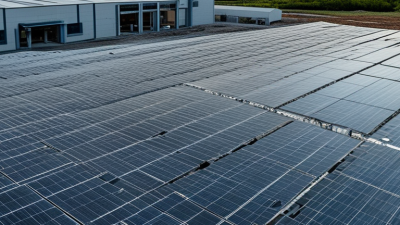
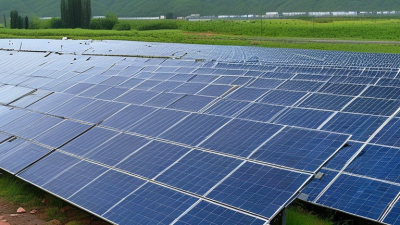
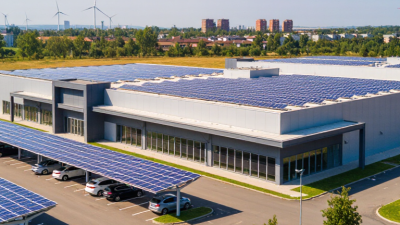
A rooftop system usually makes sense when the roof has clear sun exposure and enough usable area. A carport or ground-mounted array can offer better placement, but often needs extra structural work, wiring, or site preparation. Battery storage adds resilience during outages, yet raises upfront costs and may not pay back quickly where outages are rare. Details matter. Ask for an assessment using your actual utility bills, roof condition, and hourly energy use—not just an annual estimate.
Compare proposals by total installed cost, expected production, equipment warranties, and ongoing maintenance assumptions. A low price can hide exclusions, such as electrical upgrades or roof repairs. Request the assumptions in writing. Financing also changes the picture: paying cash avoids interest, while a loan spreads payments but adds financing costs. A lease or power purchase agreement may reduce initial spending, though contract terms can limit flexibility. Incentives vary by location and eligibility, so confirm current rules with a qualified tax or energy professional. One estimate may look unusually clean; ask what it leaves out. A spreadsheet helps, but your roof, tariff, and future plans are messier than the spreadsheet suggests.
Review Installer Qualifications, Warranties, and Regulations
A commercial solar proposal can look polished while leaving key questions unanswered. Check that the installer holds the licenses required in your area and has completed projects of similar size and roof type. Ask who will handle design, electrical work, permits, and ongoing service. A site visit should include close inspection of roof condition, cable routes, and electrical equipment—not just a quick look from the parking lot. Get responsibilities in writing.
Warranty terms need careful reading. Separate equipment coverage from workmanship and energy-performance guarantees. Ask who pays for labor, shipping, roof repairs, or panel removal if a repair is needed. Check exclusions, claim deadlines, and whether coverage transfers if the building changes ownership. A long warranty is not automatically strong protection. Paper can still disappoint. I would compare the actual remedy offered, not just the number of years printed in a proposal.
Regulations vary by location and can change. Confirm permitting, building and electrical code requirements, fire-access rules, and utility interconnection steps with the relevant local authorities and utility. Ask whether the installer coordinates inspections and submits required documents, and request a timeline that includes review delays. Incentives may have separate eligibility rules, so verify current requirements through official sources before including expected savings in your budget. Even careful planning can miss a detail; leave room for that.
Choosing a business solar installer: Warranty terms vary by product, installer, and contract. Treat these ranges as a comparison guide, and review exclusions, labor coverage, and claim procedures. Confirm the installer’s required local licenses, insurance, and relevant project experience. Also verify permitting, building and electrical code requirements, utility interconnection rules, and any applicable incentive requirements with the responsible authorities.
Plan Installation, Monitoring, and Long-Term Maintenance
How to Choose the Best Solar Solutions for Your Business?
Plan installation, monitoring, and maintenance before comparing equipment. Ask for a site assessment that checks roof condition, shading, electrical capacity, and your hourly energy use. Specify who handles permits, grid connection, and commissioning, and request a schedule with clear milestones. The International Energy Agency’s Photovoltaic Power Systems Programme reported that global solar capacity exceeded 1.6 terawatts by the end of 2023. That rapid growth makes qualified installation and dependable service planning especially important.
Set a baseline before the system goes live: expected output, inverter readings, and alerts for outages or unusual drops. A peer-reviewed review by Jordan and Kurtz found a median solar module degradation rate of about 0.5% per year across nearly 2,000 reported rates. That is a useful reference, not a promise for any site. Dust, heat, shade, and equipment faults can affect actual performance. Schedule inspections around local conditions, and define response times, cleaning criteria, warranty responsibilities, and an annual performance review. Some details may change after installation; leave room to adjust.
Tips: Keep monthly production records and compare them with weather-adjusted expectations. Photograph recurring roof or wiring issues. Ask the installer to explain alarm thresholds in plain language, and keep maintenance notes where your facilities team can find them.