China Top 10 Utility Scale Solar Panel Manufacturers?

China remains a major force in the global utility scale solar industry, supplying modules for projects across deserts, plains, and coastal regions. Its leading manufacturers compete through high production capacity, advanced cell technologies, and extensive international service networks. Yet factory size alone does not prove long-term project value.

This guide examines ten prominent Chinese solar panel manufacturers through practical evaluation criteria. These include module efficiency, temperature performance, degradation rates, warranty terms, quality control, financing confidence, and experience with large installations. Technologies such as TOPCon, heterojunction, and bifacial modules receive attention because they can improve energy yield under changing site conditions. A 100 MW project needs more than attractive laboratory figures. It needs consistent production, reliable delivery, and technical support after commissioning.

Field conditions can be unforgiving. Dust may cover modules within weeks, while high temperatures reduce output during peak demand. Strong manufacturers understand these details and provide suitable testing, documentation, and maintenance guidance. Independent certifications and verified project records also matter. However, no ranking is perfect. Product lines change, shipment data may differ, and performance depends heavily on system design and local climate. Buyers should confirm current specifications, warranty coverage, and bankability before signing contracts. This article offers a practical starting point, not a substitute for technical due diligence. The strongest choice is rarely the cheapest panel. It is the supplier that can deliver dependable energy over decades.
China Top 10 Utility Scale Solar Panel Manufacturers?

Definition and Role of Utility-Scale Solar Panel Manufacturers in China

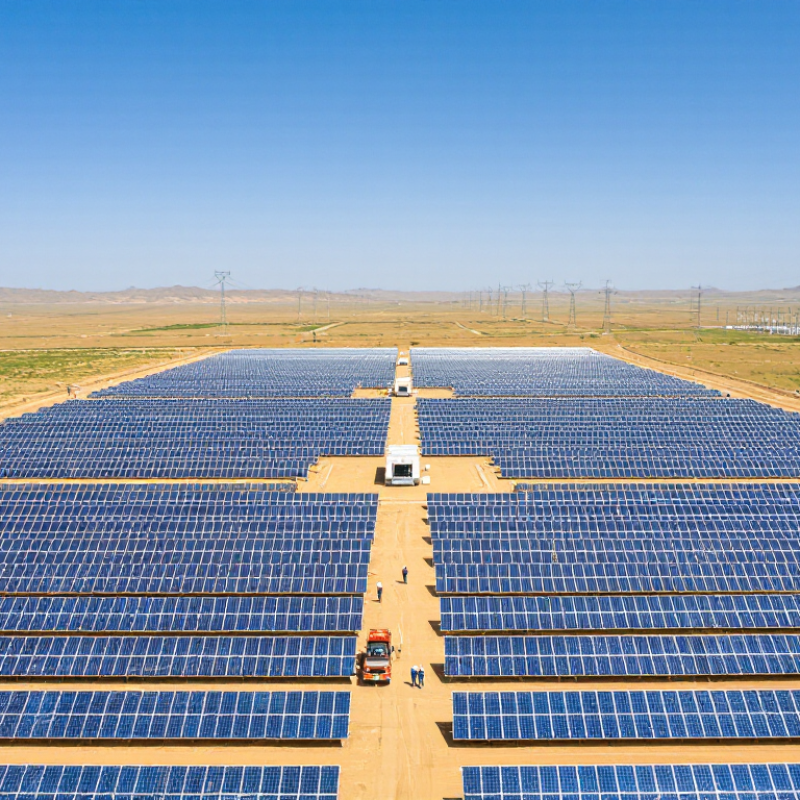
Utility-scale solar panel manufacturers in China produce modules for large power projects, often covering hundreds of hectares. Their role extends beyond assembling photovoltaic cells. They support engineering teams with electrical data, delivery planning, quality records, and warranty conditions. A reliable manufacturer should provide verified output ratings, degradation data, factory inspection results, and traceable materials. Independent testing matters. So does consistent performance across different production batches.

These manufacturers also help developers reduce project risks. A module’s size affects installation speed, transport, mounting systems, and labor costs. In dusty regions, surface design and cleaning requirements become practical concerns. In coastal areas, corrosion resistance deserves careful review. I have seen price comparisons focus too heavily on the panel itself. That approach can miss replacement access, delayed shipments, and long-term service capacity. No factory is perfect. Buyers should examine weaknesses, not only impressive efficiency figures.

Tips: Request recent third-party test reports and sample quality records. Compare temperature coefficients, warranty terms, and delivery schedules. Ask how damaged modules are handled after installation. Visit a production site when possible. A clear answer is useful; a vague promise is not. Also check whether the manufacturer can support local grid requirements and project documentation. Efficiency looks attractive, but dependable energy yield matters more.

China Top 10 Utility-Scale Solar Panel Manufacturers

Definition and Role of Utility-Scale Solar Panel Manufacturers in China

Utility-scale solar panel manufacturers supply high-volume, standardized modules for centralized photovoltaic projects, including large ground-mounted solar farms. The chart shows China's annual centralized solar PV capacity additions from 2020 to 2024, illustrating the expanding market served by utility-scale module manufacturers. Data are based on annual photovoltaic installation statistics published by China's National Energy Administration; centralized capacity excludes distributed PV.

Key Criteria for Ranking China’s Leading Solar Panel Manufacturers

Ranking China’s leading utility-scale solar panel manufacturers requires more than comparing advertised efficiency. A credible review examines factory capacity, quality controls, and delivery performance. Independent audits should confirm production consistency across multiple batches. Engineers can inspect soldering, encapsulation, glass quality, and junction-box protection. Small defects can create large losses across a 100-megawatt site.

Technical performance remains important, but it needs context. Compare power output under standard testing and realistic high-temperature conditions. Review temperature coefficients, degradation rates, bifacial gains, and low-light behavior. Check whether test data comes from recognized laboratories. Published figures may look precise. They are not always directly comparable. Long-term field data deserves greater weight than laboratory claims.

Financial and operational evidence also shapes a responsible ranking. Assess warranty terms, product traceability, spare-part access, and response times after installation. A manufacturer with strong project references may still struggle during rapid expansion. Public records can be incomplete, and some performance claims require careful verification. Procurement teams should examine certification status, environmental controls, labor practices, and factory energy use. Delivery reliability matters too, especially when ports, weather, or material shortages affect schedules. The best ranking uses weighted criteria, not promotional language, while accepting that project location and financing needs can change the result.

China Top 10 Utility-Scale Solar Panel Manufacturers? — Key Criteria for Ranking China’s Leading Solar Panel Manufacturers
No. Ranking Criterion Suggested Weight Measurable Data to Collect Why It Matters for Utility-Scale Projects
1 Annual Manufacturing Capacity 15% Annual module capacity in GW; cell and wafer capacity; audited production or company sustainability disclosures. Large and well-developed production capacity can support high-volume procurement and reduce the risk of supply interruptions.
2 Technology and Module Efficiency 15% Commercial module efficiency, cell architecture, power output, temperature coefficient, and published product datasheets. Higher efficiency can increase energy yield per unit of land and reduce balance-of-system costs in large solar parks.
3 Product Reliability and Durability 14% IEC 61215 and IEC 61730 certification, third-party reliability testing, degradation warranty terms, and field-performance records. Reliable modules help reduce underperformance, replacement expenses, and long-term operational risk.
4 Warranty and Degradation Terms 10% Product warranty duration, linear power warranty, maximum annual degradation rate, and warranty claim procedures. Clear and enforceable warranty conditions protect project cash flow throughout the operating life of the plant.
5 Bankability and Financial Strength 12% Credit profile, financial statements, shipment history, project-finance acceptance, and independent bankability assessments. Financially stable suppliers are more likely to honor warranties and maintain service support over long project lifecycles.
6 Global Delivery and Supply-Chain Capability 10% Export destinations, logistics network, delivery lead times, production-site diversification, and documented on-time delivery performance. Efficient international logistics are essential for meeting construction schedules and avoiding costly project delays.
7 Utility-Scale Project Experience 8% Installed utility-scale capacity, number of large projects supplied, project locations, and experience with tracker-compatible modules. Relevant project experience demonstrates the ability to meet engineering, procurement, testing, and commissioning requirements.
8 Manufacturing Quality Control 6% Factory audits, process traceability, incoming-material inspection, electroluminescence testing, and defect-rate data. Consistent quality control reduces transport damage, installation failures, hot spots, and early-life module defects.
9 Sustainability and ESG Performance 5% Carbon-footprint disclosures, renewable-energy use in manufacturing, environmental certifications, responsible sourcing, and recycling programs. ESG performance supports permitting, investor requirements, supply-chain compliance, and the lifecycle sustainability of solar projects.
10 Total Cost of Ownership 5% Module price, freight, taxes, installation requirements, expected energy yield, degradation, replacement risk, and operating costs. The lowest purchase price does not always provide the lowest lifetime cost; energy yield and reliability must be evaluated together.
Recommended evaluation method: score each supplier from 1 to 10 for every criterion, multiply each score by the suggested weight, and rank suppliers by their total weighted score. All supplier claims should be verified through current technical datasheets, certificates, audited disclosures, independent testing, and project references.

China’s Top 10 Utility-Scale Solar Panel Manufacturers

China’s Top 10 Utility-Scale Solar Panel Manufacturers

China’s leading utility-scale solar panel manufacturers serve projects from desert regions to coastal industrial zones. Their importance extends beyond factory volume. They influence module efficiency, delivery schedules, warranty confidence, and long-term energy yield.

A practical comparison should examine production capacity, financial stability, and testing records. Utility projects often use large-format modules with improved power output and lower installation costs. Some factories offer bifacial designs, which capture reflected light from pale soil or concrete surfaces. This detail matters on open sites. A module can perform differently under dust, heat, humidity, and strong ultraviolet exposure. Factory certificates help, but independent field data is more convincing. Site conditions decide the result.

Procurement teams should also study degradation guarantees, product traceability, and replacement procedures. A low quotation may become expensive when shipments arrive late or damaged. Clear packaging standards matter. So does technical support during commissioning. Manufacturers with automated inspection can reduce hidden cell defects, although automation does not remove every risk. Human review still catches unusual faults. That balance deserves attention.

Project owners should compare performance data under realistic temperatures, not only laboratory ratings. They should request samples, review audited documents, and inspect production controls when possible. A manufacturer may look strong on paper yet struggle with changing material costs or rapid product updates. Careful due diligence remains necessary for projects expected to operate for decades.

Technologies and Products Used in Large Solar Power Projects

Utility-scale solar projects rely on more than high-wattage panels. Bifacial modules capture sunlight reflected from pale soil, gravel, or snow. N-type cell technologies can reduce degradation and improve long-term energy yield. Large-format modules also lower installation labor, but their weight demands stronger mounting designs.

Single-axis trackers adjust panel angles during the day. They can increase production, although wind, dust, and uneven terrain complicate maintenance. Central or string inverters convert direct current into grid-ready electricity. Medium-voltage transformers, combiner boxes, monitoring systems, and weather sensors complete the electrical system. Battery storage may smooth evening output, yet it adds thermal management, fire protection, and replacement planning.

Tips: Check measured field performance, not only laboratory ratings. Review temperature coefficients, bifacial gain assumptions, warranty terms, and independent test results. Inspect cable routes and drainage before construction. Small design errors become expensive at hundreds of megawatts. Experienced teams should compare simulation data with local weather records. Perfect forecasts do not exist. A responsible project leaves room for dust, unexpected shading, delayed parts, and gradual component aging. Regular infrared inspections and performance reviews can reveal loose connections, cracked modules, or inverter losses before they spread.

Market Trends and Selection Considerations for Global Buyers

A top-10 list of utility-scale solar manufacturers can guide research, but it should not decide procurement alone. Market leadership changes with production capacity, quality records, regional support, and financial stability. Global buyers now examine n-type cell technology, bifacial performance, larger module formats, and lower degradation rates. These trends can improve energy yield. However, bigger modules may increase handling risks and require compatible trackers, cables, and installation equipment.

Selection should begin with independent test reports and verified operating data. Review power tolerance, temperature coefficients, potential-induced degradation resistance, warranty terms, and recycling arrangements. Ask for project references in climates similar to yours, including deserts, coastal zones, and snow regions. Traceability is also important because buyers need reliable information about materials and factory controls. A low quotation may appear attractive. It can later create costs through delays, replacements, or weak technical support. No checklist is perfect. Procurement teams should challenge optimistic energy models and compare total lifetime value, not only the module price.

Tips: Request samples from the proposed production line. Compare measured results with datasheets. Confirm delivery schedules, inspection rights, and spare-module policies in writing. Use an independent engineer to review assumptions. Smaller details matter. Also, leave room for uncertainty, because weather, logistics, and future grid rules can change project returns.