Top 10 Utility Scale Renewable Energy Projects in China?
As the world shifts towards sustainable energy, China leads with its utility scale projects. According to the International Energy Agency (IEA), over 50% of global renewable energy investments occur in China. These large-scale projects not only reduce carbon emissions but also provide significant economic opportunities.
In 2022, China's utility scale solar power capacity reached 392 GW, accounting for nearly 30% of the world’s total. This impressive growth reflects China's commitment to meet its 2060 carbon neutrality target. However, challenges remain. Land use conflicts and technological limitations can slow down project implementation. Amid critique, the focus on large-scale initiatives raises questions about balance and sustainability.
Investing in utility scale renewable energy requires careful consideration of resources and impacts. Data from the Global Wind Energy Council indicates that China is home to the largest wind farms, pushing the boundaries of renewable technologies. A critical evaluation of these projects highlights both their potential and the obstacles to overcome. It’s essential to address these issues for an equitable energy transition.
Overview of Renewable Energy Landscape in China
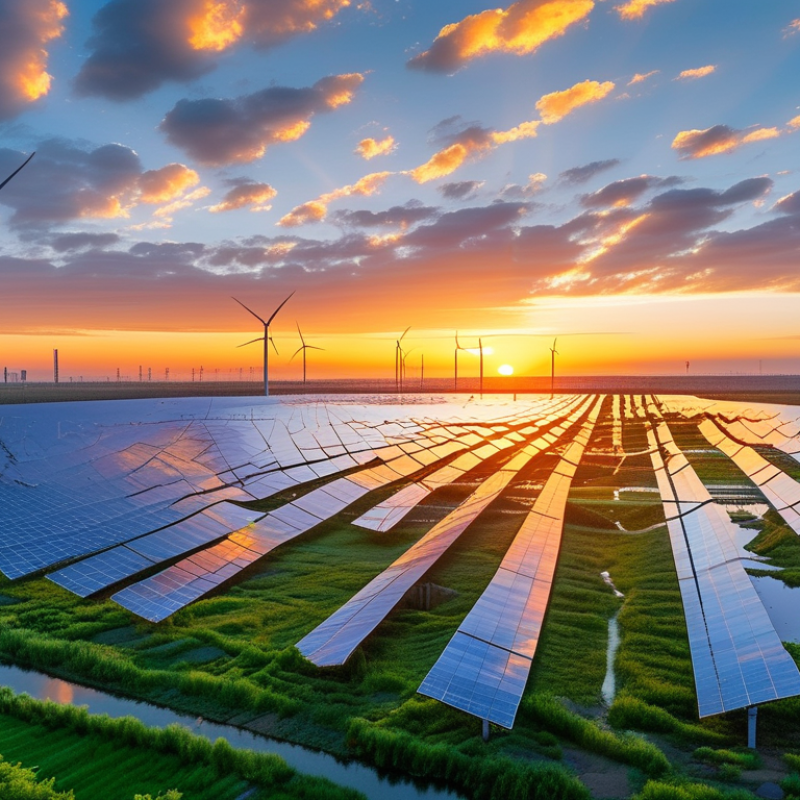
China's renewable energy landscape has transformed dramatically over the last decade. The country has invested heavily in solar, wind, and hydropower projects. Each category demonstrates varying success and challenges. Solar energy has become a standout performer, with vast installations in sunny regions. Wind farms are also plentiful, especially along coastal areas. However, integrating these technologies into the existing grid remains a challenge.
Despite these advancements, issues persist. The intermittency of renewable energy sources can disrupt supply. Many grid systems struggle to manage this fluctuation. Storage solutions, like batteries, present another hurdle. Currently, China's energy storage capacity is limited compared to its potential. Policymakers are working to address these gaps, but progress is gradual.
China's innovative projects offer much inspiration. However, they also expose weaknesses. Investment in technology and infrastructure is essential for future growth. The path toward a sustainable energy future is complex and fraught with challenges. Collaboration between government, industry, and academia is crucial to accelerate improvements. As the world's largest renewable energy market, China's journey is closely watched by many.
Overview of Renewable Energy Landscape in China
This bar chart illustrates the installed capacity of various renewable energy sources in China, showcasing the significant contributions of solar, wind, and hydropower. The data reflects the country's commitment to increasing renewable energy usage as part of its sustainability goals.
Key Factors Driving Utility Scale Renewable Energy Projects
China is at the forefront of renewable energy, with utility-scale projects leading the way. Various factors drive these initiatives. First, the country's ambitious goals for carbon neutrality by 2060 create an urgent need for clean energy. This target pushes investments in solar, wind, and hydropower.
Government policies play a crucial role as well. Incentives and subsidies support the development of large-scale renewable projects. Regions like Inner Mongolia and Xinjiang benefit from rich natural resources, offering ideal conditions for solar and wind farms. However, challenges remain, such as balancing energy distribution across vast distances. Infrastructure must evolve to support these energy sources efficiently.
Moreover, public awareness is rising. Citizens demand cleaner energy solutions, urging authorities to prioritize sustainable practices. Yet, local resistance can occur due to environmental concerns. Each project must address community needs while safeguarding ecosystems. Understanding these dynamics is essential for ongoing success in renewable energy development in China.
Top 10 Renewable Energy Projects: Highlights and Innovations
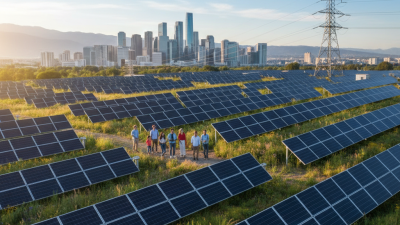
China is home to several pioneering renewable energy projects, showcasing innovation and scale. These projects reflect a commitment to sustainability and carbon reduction. Large solar farms dot the landscape, harnessing sunlight to produce vast amounts of clean energy. The technical challenges faced in these installations provide learning opportunities for future developments.
Wind energy projects have rapidly advanced as well. Offshore wind farms are becoming increasingly common. Their immense scale offers significant benefits but also poses logistical challenges.
Maintenance in harsh marine environments can be difficult but is essential for maximizing energy output. Innovations like energy storage solutions are crucial. They help balance supply and demand. Some projects incorporate cutting-edge technology to enhance efficiency.
However, the integration of these systems often requires further investment and expertise. As China continues to expand its renewable energy portfolio, the lessons learned from these projects will help shape the global energy landscape.
Impact of Large-Scale Projects on China’s Energy Transition
Large-scale renewable energy projects are transforming China's energy landscape. According to a 2021 report by the International Renewable Energy Agency, China accounted for over 50% of the world's total solar energy capacity. These projects contribute significantly to reducing greenhouse gas emissions. However, the impact on local communities can be complex.
The construction of utility-scale solar farms and wind parks is often met with resistance. Communities may face land use changes and ecological disturbances. A study by the National Energy Administration revealed that while these projects have boosted regional economies, they have also raised questions about sustainability. It's crucial to engage with local stakeholders in planning phases to minimize conflicts.
Tips: Always consider local wildlife and ecosystems when planning projects. Collaboration with environmental experts can lead to more sustainable solutions. Understand that not all projects will be welcomed by local residents. Listening and adapting plans is key to successful energy transitions.
Challenges and Future Prospects for Utility Scale Renewable Energy
Utility scale renewable energy projects in China represent significant advancements in sustainable energy. However, the journey is fraught with challenges. One major hurdle is grid integration. The existing power grid often struggles to accommodate the fluctuating nature of renewable sources. This can lead to wasted energy, where generated power cannot be effectively utilized.
Another pressing challenge is financing. While there is a growing interest in renewable energy, securing funds remains a complex task. Investors seek stable returns, but the volatile market can deter investment. This dynamic limits the potential for expansion and innovation in the sector. Furthermore, local regulations can be ambiguous, complicating the operational landscape for many projects.
Future prospects are promising yet uncertain. Technological advancements are pivotal. Innovations in energy storage could alleviate issues of intermittency, enhancing efficiency. Collaborative efforts among governmental bodies and private enterprises are essential. Streamlined regulations could foster an environment conducive to growth. However, ongoing reliance on traditional energy sources poses a risk. A shift in mindset and policy priorities is necessary to fully realize the potential of utility scale renewable energy in China.