7 Best Utility Scale Solar Companies for Buyers?

Choosing a utility scale solar company is a major procurement decision, not a simple panel comparison. Buyers must weigh engineering expertise, project delivery, equipment quality, operating support, and financial strength. A company may excel at construction but offer limited long-term operations support. Details matter. For a 300-megawatt project, a delayed transformer can matter as much as module efficiency. The stakes are real.

International Energy Agency Executive Director Fatih Birol captured the market shift in 2019: “Solar is becoming the new king of electricity markets.” That observation signals momentum, not a guarantee of success for any individual project. Strong economics still depend on site conditions, grid access, financing, and reliable execution. Not just panels. Buyers should examine how a provider handles commissioning, performance monitoring, and maintenance after the ribbon-cutting. Those details can disappear in glossy sales materials.

This guide compares seven companies relevant to utility-scale solar buyers, while recognizing that their roles may differ. Some focus on development or engineering, procurement, and construction; others supply equipment or provide ongoing services. Compare projects of similar size and complexity, review warranty terms, and ask who is accountable when schedules slip. Regional experience matters, too. A shortlist can narrow the field, but it cannot remove every project risk—and buyers should be honest about that.
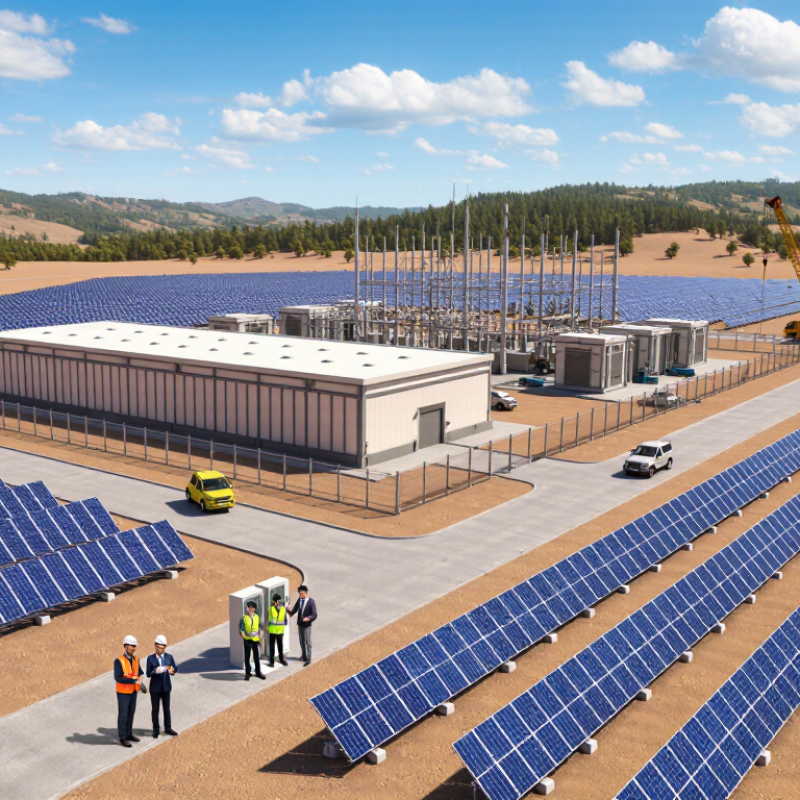
7 Best Utility Scale Solar Companies for Buyers?

What Utility-Scale Solar Companies Do

Utility-scale solar companies help turn large tracts of land into grid-connected power plants. Their work often begins with site screening: checking sunlight, slope, soil conditions, access roads, and distance from transmission lines. A flat field may look ideal, but weak grid capacity can make it a poor choice. That detail matters.

Some companies develop projects, while others focus on engineering, construction, or long-term operations. Development teams may secure land agreements, study environmental constraints, and coordinate permits and grid-connection reviews. Engineers plan panel rows, inverters, substations, drainage, and cable routes. Construction crews then prepare the site, install equipment, and test electrical systems before the plant begins delivering power. The handoffs can be messy.

After construction, operations teams track output and inspect equipment. They may use monitoring software to spot an inverter fault or a sudden production dip, then send technicians to investigate. Dust, vegetation, storms, and equipment wear can all affect performance. Good maintenance is practical, not glamorous: clearing a drainage channel after heavy rain can prevent bigger trouble later. Still, forecasts are forecasts; actual output changes with weather and equipment condition. Buyers should ask who handles each project stage, what performance data is shared, and how repairs are managed. A polished proposal alone does not reveal how a plant will perform over time.
Key Types of Providers in the Utility-Scale Solar Market

Utility-scale solar buyers encounter several provider types, and their responsibilities often overlap. Project developers secure land, grid connections, permits, and financing before construction. Independent power producers may also own and operate the finished plant, earning revenue through electricity sales or long-term contracts. This structure can simplify ownership, but buyers should inspect who carries schedule and performance risks.

Engineering, procurement, and construction contractors handle design, equipment sourcing, and installation. Equipment suppliers provide modules, inverters, or tracking systems, while operations teams monitor output and maintain the site. Some firms combine several roles; others specialize. Check contract boundaries carefully. A low equipment price may not include commissioning, replacement parts, or response times when a fault occurs. No structure is flawless.

Market growth makes these distinctions more important. The International Energy Agency reported nearly 510 gigawatts of renewable capacity additions in 2023, with solar contributing about three-quarters. IRENA’s Renewable Capacity Statistics 2024 recorded 346 gigawatts of new solar capacity that year. Buyers can use these figures as context, not as a guarantee of local project economics. Compare providers on documented project experience, grid-integration capability, warranties, operating data, and clear responsibility for delays or underperformance. Ask for examples from sites with similar climate, terrain, and grid conditions. That detail matters.

7 Best Utility Scale Solar Companies for Buyers? - Key Types of Providers in the Utility-Scale Solar Market

Buyer’s guide: The entries below are provider types, not company rankings. Project scope, contract terms, and responsibilities vary by market and project.

Provider Type Typical Role Common Deliverables Typical Engagement What Buyers Should Evaluate
Project Developer Identifies and advances a potential project, coordinating site control, permitting, interconnection, land-use work, and project financing. Development-stage project; land and permit documentation; interconnection studies or agreements; project schedule and risk information. Development services, project sale, or transfer of a project at an agreed development stage. Site rights, permit status, grid-connection milestones, environmental constraints, development experience, and clarity about which risks remain with the buyer.
Engineering, Procurement, and Construction (EPC) Contractor Designs and builds the plant, often managing procurement, construction, testing, and commissioning under one contract. Engineering plans; equipment procurement; civil and electrical construction; commissioning and handover documents. Fixed-price, reimbursable, or other negotiated construction contract; exact scope and risk allocation depend on the agreement. Comparable project experience, schedule and completion guarantees, price exclusions, change-order rules, subcontractor oversight, and warranty interfaces.
Solar Module Manufacturer Produces photovoltaic modules that convert sunlight into direct-current electricity. Solar modules; product specifications; test and certification documents; product and performance warranty terms. Equipment purchase through direct procurement or an EPC-led supply package. Module performance data, independent certifications, warranty coverage and exclusions, supply availability, delivery terms, and product traceability.
Inverter Supplier Provides equipment that converts the array’s direct-current output to alternating current and supports plant-level control functions. Inverters; monitoring and control interfaces; technical documentation; commissioning support and warranty services. Equipment supply, often coordinated with the EPC contractor and plant-control system provider. Grid-code compatibility, operating range, efficiency specifications, service response, replacement strategy, cybersecurity practices, and compatibility with the plant design.
Tracker and Mounting-System Supplier Supplies fixed-tilt or tracking structures that support modules; tracking systems rotate modules to follow the sun. Racking or tracker structures; foundations or foundation design inputs; drive and control components; installation guidance. Equipment supply, sometimes including engineering assistance, installation support, or long-term service options. Structural design for site conditions, geotechnical assumptions, wind and snow criteria, terrain tolerance, corrosion protection, and maintenance requirements.
Operations and Maintenance (O&M) Provider Maintains plant performance and availability after commercial operation, with services defined by contract. Monitoring, inspections, preventive and corrective maintenance, reporting, and coordination of repairs or spare parts. Long-term service agreement; some asset owners use separate monitoring, maintenance, and vegetation-management contracts. Response times, staffing and spare-parts plan, reporting standards, safety procedures, performance-measurement method, and exclusions from service guarantees.
Energy Storage Integrator Combines battery equipment, power-conversion systems, controls, and related services for projects that include storage alongside solar. Integrated storage system; control and monitoring functions; commissioning support; operating and safety documentation. Equipment-and-integration contract, potentially coordinated with the EPC contractor and other system suppliers. Usable energy and power specifications, degradation assumptions, fire and safety approvals, system compatibility, warranty conditions, and planned augmentation needs.

How Buyers Evaluate Solar Companies and Project Proposals

Buyers should judge proposals on deliverable energy, not headline megawatts. Ask for hourly production estimates, weather-year assumptions, degradation, and curtailment scenarios. Request the underlying model, not just a polished yield chart. Small details matter: tracker settings, inverter clipping, and dust near access roads can affect output. Some assumptions remain uncertain; sellers should show downside cases plainly.

Cost comparisons need the same boundaries: equipment, grid upgrades, land, financing, and operations. IRENA’s Renewable Power Generation Costs in 2023 reported a global weighted-average levelized cost of $0.044 per kilowatt-hour for newly commissioned utility-scale solar, 12% below 2022. That benchmark provides context, not a promised project price. Site conditions and financing can change costs sharply.

Interconnection deserves equal scrutiny. Berkeley Lab’s Queued Up 2024 report counted about 2,600 gigawatts of proposed generation and storage in U.S. queues at the end of 2023. Queue capacity is not a construction schedule. Verify study status, upgrade estimates, milestones, and withdrawal risks. Compare engineering, procurement, and construction scope, damages for delays, equipment warranties, and operations response times side by side. It happens. A low bid can still conceal weak production guarantees or costly exclusions.

Seven Utility-Scale Solar Companies Buyers May Consider

Utility-scale solar buyers may consider seven kinds of providers, depending on project needs. A project developer can manage land, permitting, and early-stage planning. An engineering, procurement, and construction firm handles design and site delivery. A panel manufacturer offers equipment, but buyers should examine product warranties and supply records. A tracking-system supplier can help panels follow the sun across a large site. An energy-storage integrator coordinates batteries, controls, and grid connections. An operations and maintenance provider monitors output and repairs faults. A financing or asset-management firm can help structure ownership and long-term revenue planning.

The right fit depends on more than quoted price. Ask each provider for comparable project references, clear delivery milestones, and named points of responsibility. Review how the proposal handles weather delays, equipment replacement, and performance shortfalls. Small details matter. A realistic maintenance plan should explain inspection intervals, spare-parts access, and response times—not just promise high availability.

Buyers should also check whether each company’s experience matches the project’s scale, terrain, and grid conditions. Request assumptions behind energy-yield estimates and compare them with independent technical reviews. Contract language deserves careful attention, especially where several firms share responsibility. Even a polished proposal can leave gaps. I would not treat this list of provider types as a ranking; the best shortlist changes with site conditions, financing, and the buyer’s own operating capabilities.

Choosing a Partner for a Utility-Scale Solar Project

Choosing a partner for a utility-scale solar project means looking beyond a polished proposal. The right team should explain how site conditions shape design, cost, and schedule. Ask how it evaluates soil reports, drainage, access roads, and grid connection constraints. Details matter. A low price may not include adequate weather contingencies or long-term maintenance support.

Review completed projects with comparable capacity, terrain, and grid conditions. Ask who will manage engineering, procurement, construction, commissioning, and ongoing operations. Request examples of equipment delivery plans and quality checks, such as torque records or inverter testing procedures. Strong answers are specific and supported by project documentation. Vague assurances deserve follow-up.

Commercial terms also reveal how a partner handles risk. Compare scope exclusions, performance assumptions, warranty responsibilities, and timelines for resolving defects. Speak with past project owners about communication during delays, not only final output. Be cautious of guaranteed outcomes that lack clear assumptions. Even careful reviews can miss things; I would revisit the schedule with an independent technical adviser before signing. A dependable partner should welcome that scrutiny and explain uncertainties plainly.