How Much Does a Solar Installation Cost in 2026?

A solar installation can look simple from the street: panels on a roof, a small inverter, and a meter recording energy use. The price behind that system is less obvious. In 2026, the cost depends on your location, electricity needs, roof condition, equipment, and whether you add battery storage. There is no single price that fits every home.

A useful solar installation estimate should show more than a headline total. It should list system size, panel and inverter specifications, labor, permits, and any battery costs. Ask how the installer calculated expected production, especially if nearby trees shade your roof during the afternoon. Compare written quotes with the same assumptions. Small differences matter.

In my experience, homeowners often focus on panel count and overlook the roof. A repair needed before installation can change the budget. So can electrical upgrades. Incentives may also affect the final cost, but eligibility and availability can vary; confirm current details with qualified local sources before making a decision. Solar savings are not guaranteed, either. Utility rates, weather, and household use all shape the result. That part is easy to underestimate. This guide explains the main cost factors, how to read an estimate, and which questions to ask before signing. It cannot replace a site assessment, and any broad price range should be treated as a starting point—not a promise.
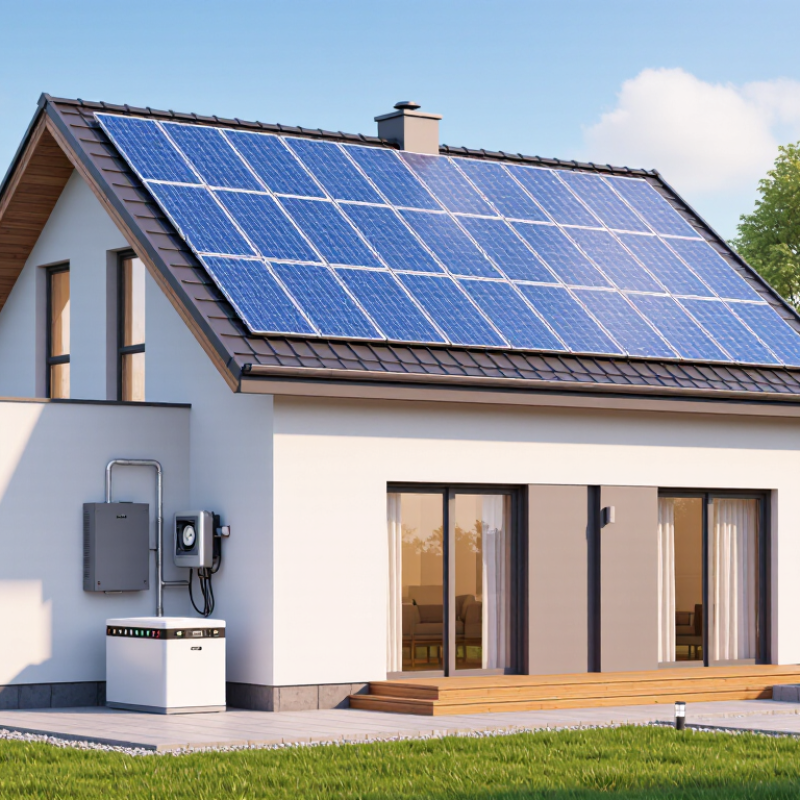
How Much Does a Solar Installation Cost in 2026?

What Is Included in a Solar Installation Cost?

A solar installation quote covers more than the panels. It should identify the modules, inverter, roof-mounting hardware, wiring, monitoring equipment, and installation labor. It may also include system design, roof inspection, permits, utility interconnection, and required electrical work. Ask for each item separately. Vague line items make comparisons harder.

NREL’s 2024 U.S. Solar Photovoltaic System and Energy Storage Cost Benchmark modeled a residential, 8-kilowatt solar-only system at about $3.15 per DC watt. That is a benchmark, not a guaranteed 2026 quote; location, roof condition, and project size change the price. Batteries are usually an added cost, so check whether storage is included. So are roof repairs, if needed. A careful estimate should spell out equipment warranties, workmanship coverage, and any panel or electrical upgrades. I would also ask whether the quoted price assumes a simple roof. Real roofs rarely read the estimate.

Which Factors Determine the Price of a Solar System?

A solar installation’s price in 2026 depends less on a single average and more on the home it must serve. A household using more electricity may need a larger system, which usually means more panels, mounting hardware, and labor. Look at twelve months of utility bills, not just one sunny-season statement. That detail matters.

Roof condition can change the quote quickly. A steep roof, awkward layout, or heavy shade may require extra labor or fewer usable panels. If repairs are due, completing them before installation can avoid removing and reinstalling equipment later. Roof work adds up. Local labor rates, permit fees, and utility connection requirements also vary, so two similar homes can receive different estimates.

Equipment choices affect both upfront cost and expected performance. Higher-efficiency panels may help when roof space is limited, while a battery adds substantial cost but can store daytime power for evening use or outages. Incentives and financing may lower the amount paid upfront, but eligibility and terms depend on location and timing. Ask for an itemized proposal showing system size, estimated annual production, equipment, installation, and any battery costs. Estimates are still estimates; shade, weather, and future electricity use can make real savings differ. I would compare assumptions carefully, not just the final price.

How Much Does a Solar Installation Cost in 2026? — Which Factors Determine the Price of a Solar System?

U.S. residential planning estimates in USD. Prices vary by location, installer, equipment, site conditions, and project scope.
Cost factor Typical 2026 planning range How it affects the price
Installed system price About $2.50–$3.50 per watt, before incentives and financing A useful starting point for comparing residential quotes; local labor and project complexity can move the price outside this range.
System size 6 kW: about $15,000–$21,000
8 kW: about $20,000–$28,000
10 kW: about $25,000–$35,000
Larger systems generally cost more overall, though the price per watt may be lower because some design, permitting, and labor costs are shared.
Household electricity use No fixed cost; helps determine the system size Higher annual consumption may require more panels. The right size also depends on utility rates, available roof area, and local export compensation rules.
Battery storage Often about $10,000–$18,000 for a home battery installation Adds equipment and installation costs. Price depends on usable capacity, power output, backup configuration, and whether additional electrical work is needed.
Roof condition and layout Potential additional cost: roughly $1,000–$5,000 or more for some repairs or complex work Repairs before installation, steep slopes, multiple roof faces, obstructions, or difficult access can increase labor and project costs. Roof replacement is usually a separate expense.
Electrical upgrades Often $1,000–$3,000 when required; costs can be higher for major work An older or undersized service panel, wiring changes, or a main-panel upgrade may be needed. Ask whether the quote includes these items.
Local labor, permits, and inspection Varies by city, utility, and installer; commonly included in a turnkey quote Labor rates, permitting requirements, utility interconnection, and inspection procedures differ by location. Check the quote for exclusions and separate fees.
Equipment selection Reflected in the installed price; premium components may cost more Panel efficiency, inverter type, monitoring features, warranties, and system design can affect the quote. Compare equipment specifications as well as total price.
Financing method Depends on loan terms, fees, and payment structure A financed system can have a higher total paid over time than its cash price. Compare the cash price, loan principal, dealer or origination fees, APR, and total payments.
Incentives and utility rules Location- and eligibility-dependent State, local, and utility incentives may reduce net cost, but availability and rules change. Verify current eligibility and compensation terms before relying on an incentive in a 2026 estimate.

How Do System Size and Location Affect the Cost?

For a U.S. home, system size is one of the clearest cost drivers. A 7-kilowatt system might cost roughly $17,500–$31,500 before incentives, using a planning range of $2.50–$4.50 per installed watt. Actual 2026 quotes vary, and this estimate excludes batteries. Larger systems cost more overall, but the price per watt may fall because design, permits, and electrical work are shared. The right size depends on annual electricity use, roof space, and future needs, such as an electric vehicle.

Location changes the quote, too. Labor rates, local permitting fees, roof type, and utility rules all matter. A steep tile roof may need extra labor; a shaded roof may need a different layout or fewer panels. Even nearby homes can receive different bids. Incentives and utility compensation vary by area and can change, so check current local terms rather than relying on an old estimate. Small details add up.

Tips: Compare at least three itemized quotes. Check system size, estimated yearly production, equipment, roof-work charges, and whether battery storage is included. Ask how shading and seasonal sunlight were modeled. A low quote may omit necessary work; I’d inspect the assumptions before celebrating.

How Do Incentives and Financing Change Upfront Costs?

A solar quote in 2026 depends on system size, roof condition, and local labor. Berkeley Lab’s Tracking the Sun 2024 report put the median residential installed price at about $3.15 per watt in 2023. An 8-kilowatt system at that benchmark would cost roughly $25,200 before storage or incentives. Treat that as a reference, not a current quote. Prices move, and roofs can surprise you.

Incentives may lower your eventual cost, but they do not always reduce the invoice on installation day. A rebate may be applied upfront; a tax credit, where currently available, generally depends on eligibility and tax rules. Confirm 2026 requirements with official sources before counting on one. Financing can spread payments, yet loan fees or interest may raise the total paid. A small monthly bill can hide a larger lifetime cost. I’d compare it carefully.

Tips: Ask for matching cash and financed quotes, including fees, interest, and estimated incentives. Check whether the incentive is guaranteed or only projected. Keep some budget for roof repairs; I’ve seen that line item get missed.

How Can You Estimate the Total Cost of a Solar Installation?

To estimate a solar installation, start with your annual electricity use, shown in kilowatt-hours on utility bills. A home using 10,000 kWh yearly might need roughly 7–9 kW of panels, depending on sunlight, roof direction, and system losses.

The estimate is only a starting point.

Lawrence Berkeley National Laboratory’s Tracking the Sun 2024 report put the 2023 median residential installed price near $3.2 per watt. At that benchmark, an 8 kW system would cost about $25,600 before incentives or optional equipment. Prices vary by location and project details.

Ask for an itemized cash quote, not just a monthly payment. Check the panel and inverter costs, installation labor, permits, electrical upgrades, and any roof repairs. Then add battery storage separately; it can change the total substantially.

Compare quotes using the same system size and equipment assumptions. A low price may exclude work your roof needs. That part is easy to miss.

Also check the estimated annual production against your actual usage, rather than assuming panels will cover every bill. My estimate may still be rough: shade, roof condition, and local labor can shift the final figure.