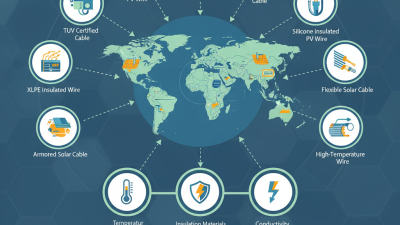
Global solar deployment is accelerating, and solar wire has become a critical reliability component. The IEA PVPS Trends 2024 report recorded approximately 447 GW of new photovoltaic capacity in 2023. Cumulative global capacity exceeded 1.6 TW. Every added project increases demand for conductors that can survive heat, moisture, ultraviolet exposure, and repeated mechanical stress.
This guide introduces ten solar wire manufacturers serving international buyers. The selection considers certification, copper quality, insulation performance, production capacity, traceability, and experience with utility-scale projects. Relevant benchmarks include IEC 62930, EN 50618, and UL 4703. IRENA’s Renewable Capacity Statistics 2024 also confirms solar’s leading role in new renewable installations. That growth sounds reassuring. It is not enough.
Dr. John H. Wohlgemuth, a respected photovoltaic reliability researcher, once stated, “The goal is to make PV systems last 25 to 30 years.” His point remains practical: a cable may look perfect during installation yet fail after years of rooftop heat and water exposure. Buyers should therefore examine more than price and catalogue specifications. They should request test reports, batch records, fire-performance information, and evidence from operating projects.
A ranking is never absolute. Supplier strengths vary by region, project scale, and compliance requirements. Some manufacturers offer excellent products but limited after-sales support. Others provide strong documentation but higher costs. This overview may simplify a complex market, and that deserves reflection. Still, it offers a useful starting point for comparing solar wire suppliers with greater confidence.
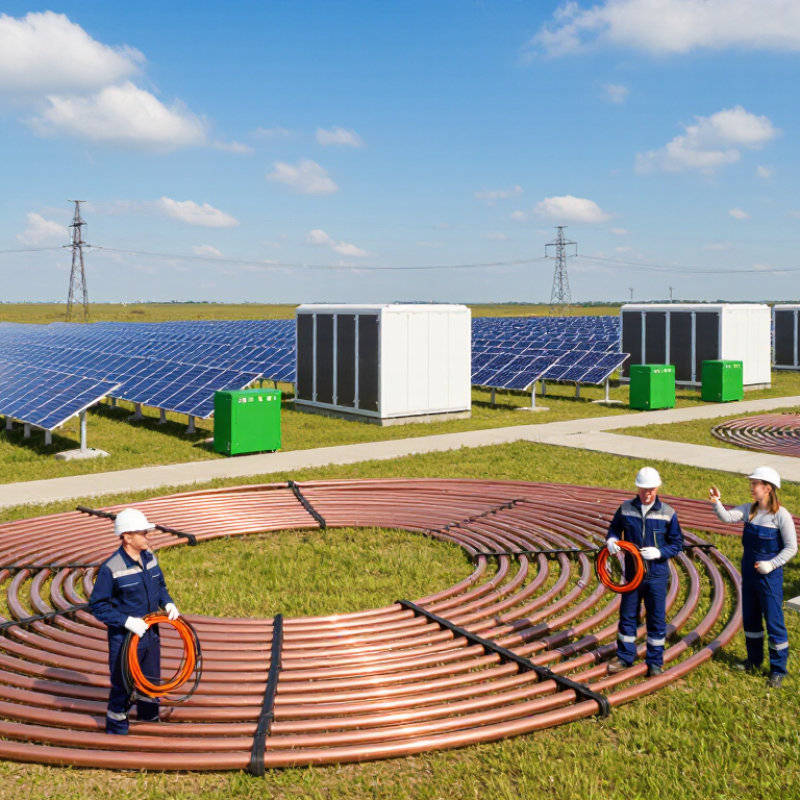
Solar wire, commonly called photovoltaic cable, carries direct current from solar modules to combiner boxes, inverters, and battery systems. Its insulation resists sunlight, moisture, ozone, heat, and repeated temperature changes. Standard building wire may look similar, but it can fail faster outdoors.
In rooftop and utility projects, installers route cables across metal frames, buried conduits, and exposed connectors. A reliable solar wire needs flexible copper conductors, stable insulation, and secure flame performance. Common specifications include IEC 62930, EN 50618, and UL 4703, depending on the project location. Buyers should verify test reports, conductor size, voltage rating, and factory traceability. The details matter.
For global buyers comparing the top ten solar wire manufacturers, production scale is only one factor. Experience with regional climates can reveal practical differences. A cable designed for a dry desert may need different protection from one used near salty coastal air. Manufacturers should explain aging tests, bend performance, connector compatibility, and quality controls clearly. Some catalogues provide impressive figures but limited evidence. That deserves caution. No cable choice is perfect, especially when cost pressure encourages smaller conductors or thinner insulation. A careful purchasing team should review samples, installation conditions, certification validity, and long-term warranty terms before approving large orders. Field feedback can also expose issues that laboratory data misses, including stiff insulation, difficult stripping, or connector heating after years of sunlight.
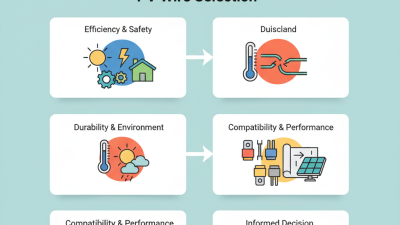
For global buyers, solar wire selection should begin with standards, not catalog rankings. A compliant cable should match the project’s voltage, temperature, and installation environment. IEC 62930 and EN 50618 are common references for photovoltaic cables, while UL 4703 may apply in North American projects. Confirm the exact edition and regional acceptance. Standards can overlap, but they are not interchangeable.
Check conductor material, cross-sectional area, insulation thickness, and voltage rating. Tinned copper usually resists corrosion better in humid or coastal locations. The jacket should tolerate ultraviolet exposure, ozone, heat, and repeated temperature changes. Look for low-smoke and flame-performance data where installation rules require it. A soft cable is not automatically durable. Ask for independent test reports, production-batch traceability, and clear markings on the cable itself. The print should remain readable after sunlight and abrasion testing.
Field evaluation needs more than a datasheet. Inspect bend radius, connector compatibility, and routing near sharp metal edges. Measure resistance on sample lengths when project risk justifies it. Check whether the stated operating temperature covers hot roofs, not just laboratory conditions. Small documentation gaps create large procurement risks. No checklist is perfect. Buyers should record what was verified, what was assumed, and what still needs testing before shipment.
| Rank | Anonymous Manufacturer Profile | Primary Compliance Route | Typical Rated Voltage | Conductor Construction | Insulation and Jacket | Operating Temperature | Environmental Performance | Common Cross-Section Range | Traceability and Testing | Evaluation Score |
|---|---|---|---|---|---|---|---|---|---|---|
| 1 | Profile A: IEC/EN Focused Export Supplier | IEC 62930; EN 50618; RoHS-compatible materials | 1.5 kV DC | Flexible stranded tinned copper, Class 5 construction | Cross-linked halogen-free insulation and sheath, typically XLPO | -40°C to +90°C continuous; +120°C for limited overload conditions | UV, ozone, weather, and moisture resistant; suitable for outdoor PV installation | 1.5, 2.5, 4, 6, 10, and 16 mm² | Batch identification, conductor resistance testing, spark testing, and high-voltage testing | 96/100 |
| 2 | Profile B: North American PV Cable Supplier | UL 4703; optional dual-marking to IEC 62930 | 1.5 kV DC | Stranded copper conductor with high-flexibility lay | Sunlight-resistant thermoset insulation and jacket | -40°C to +90°C wet or dry rating, subject to the applicable listing | Sunlight resistant, flame retardant, and designed for exposed photovoltaic wiring | 10, 12, and 14 AWG; metric equivalents may also be available | UL listing verification, pull testing, insulation resistance, and dimensional inspection | 95/100 |
| 3 | Profile C: TÜV-Oriented European Supplier | EN 50618; IEC 62930; third-party certification available | 1.5 kV DC | Class 5 flexible tinned copper with consistent conductor compactness | Low-smoke, halogen-free, cross-linked polyolefin compound | -40°C to +90°C continuous conductor temperature | Strong resistance to UV radiation, ozone, hydrolysis, and thermal ageing | 1.5 to 35 mm², depending on project and current requirements | Type-test reports, production sampling, lot coding, and certificate traceability | 94/100 |
| 4 | Profile D: High-Temperature Cable Specialist | IEC 62930; EN 50618; project-specific fire-performance testing | 1.5 kV DC | Fine-stranded, tinned copper conductor optimized for repeated routing | Heat-stable XLPO insulation and outer sheath | -40°C to +90°C continuous; short-term temperatures may reach 120°C | Designed for high solar exposure, elevated ambient temperatures, and rooftop use | 2.5, 4, 6, and 10 mm² are common selections | Thermal ageing, elongation, tensile strength, and insulation integrity checks | 93/100 |
| 5 | Profile E: Large-Scale Utility Project Supplier | IEC 62930; EN 50618; ISO 9001-based quality management | 1.8 kV DC product options may be available for approved systems | Tinned copper or approved aluminum options, depending on application | Cross-linked polyolefin insulation and sheath with low smoke emission | Typically -40°C to +90°C continuous | Suitable for fixed outdoor routing, cable trays, and solar tracker systems when specified | 4 to 240 mm², with larger sizes normally used for collection circuits | Factory acceptance testing, drum documentation, length control, and sample approval | 92/100 |
| 6 | Profile F: Flexible Rooftop Installation Supplier | EN 50618; IEC 62930; local installation-code compliance | 1.5 kV DC | Highly flexible tinned copper, Class 5 conductor | Flexible, halogen-free, UV-resistant XLPO compounds | -40°C to +90°C continuous | Good resistance to bending, sunlight, moisture, and rooftop temperature cycling | 1.5, 2.5, 4, 6, and 10 mm² | Flexibility testing, bend testing, conductor resistance, and connector compatibility checks | 91/100 |
| 7 | Profile G: Harsh-Climate Application Supplier | IEC 62930; EN 50618; additional salt-mist or climate testing by project | 1.5 kV DC | Tinned copper with corrosion-resistant surface finish | UV-stabilized, moisture-resistant, halogen-free cross-linked insulation | -40°C to +90°C continuous | Focused on humid, coastal, high-altitude, and high-UV operating environments | 2.5 to 16 mm² for module and string applications | Salt-mist evaluation where required, ageing tests, dimensional checks, and lot traceability | 90/100 |
| 8 | Profile H: Cost-Competitive Certified Supplier | IEC 62930 or EN 50618; certification scope must be confirmed by buyer | 1.5 kV DC | Stranded tinned copper, commonly Class 5 | Halogen-free XLPO insulation and outer sheath | -40°C to +90°C continuous | UV and weather resistance required for permanent outdoor PV use | 1.5 to 10 mm², with custom sizes subject to minimum order quantity | Routine voltage testing, conductor resistance testing, and production batch records | 88/100 |
| 9 | Profile I: Custom-Length and OEM Supplier | IEC 62930, EN 50618, or UL 4703 according to destination market | 600 V to 1.5 kV DC depending on product series | Flexible stranded copper; pre-assembled leads may be offered | XLPO or equivalent photovoltaic-grade insulation and sheath | Usually -40°C to +90°C continuous | Performance depends on the selected cable compound and assembly configuration | 1.5, 2.5, 4, 6, and 10 mm² are frequently requested | Drawing approval, sample validation, connector mating checks, and final inspection | 87/100 |
| 10 | Profile J: Regional Distribution and Fast-Delivery Supplier | Applicable IEC, EN, or UL certification for the destination market | 600 V, 1 kV, or 1.5 kV DC depending on stock item | Stranded tinned copper, commonly supplied in standard PV sizes | UV-resistant, halogen-free insulation and sheath where certified | Commonly -40°C to +90°C continuous | Suitable for standard outdoor PV applications when certification and datasheet match | 2.5, 4, 6, and 10 mm² typically stocked | Certificate review, incoming inspection, stock-lot identification, and delivery documentation | 85/100 |
Global solar demand is reshaping how international buyers evaluate the top 10 solar wire manufacturers. The IEA PVPS Trends 2024 report recorded about 407 GW of new photovoltaic capacity in 2023. That scale increases pressure on cable quality, delivery consistency, and technical documentation. A credible shortlist should examine conductor purity, insulation thickness, heat resistance, bending performance, and traceability.
For overseas projects, manufacturers should provide cables tested under IEC 62930 or EN 50618 requirements. TÜV Rheinland and UL testing practices also help buyers verify flame resistance, insulation durability, and aging performance. The best suppliers typically support 1,500 V DC systems, offer clear datasheets, and maintain batch-level inspection records. Packaging matters too. Coiled cable should arrive dry, sealed, and labeled with length, voltage rating, and production date.
Wood Mackenzie’s Global Solar Supply Chain Outlook highlights continuing pressure on prices and supply-chain resilience. Buyers therefore need more than a low quotation. They should compare copper content, delivery capacity, warranty terms, and factory audit results. A top-ten ranking can guide research, but it cannot replace sample testing. That part is often neglected. I would also question unusually cheap offers; savings may hide thinner insulation or inconsistent conductor size. Some buyers still rely too heavily on certificates, although field installation conditions can expose weaknesses that laboratory testing misses.
A credible Top 10 solar wire manufacturer list should compare evidence, not marketing claims. IRENA reported 345.5 GW of new solar capacity in 2023, increasing pressure on cable supply, testing, and delivery reliability. The IEA PVPS Trends report also recorded strong global photovoltaic expansion, but growth differs sharply by region. Therefore, buyers should examine factory capacity, export experience, and local inventory before selecting a supplier.
Product comparison should include copper or aluminum conductor grades, insulation compounds, voltage ratings, temperature ranges, and bending performance. Key certifications include IEC 62930, EN 50618, UL 4703, and relevant TÜV testing. ISO 9001 supports process control, but it does not prove long-term field performance.
Ask for batch-level test reports, flame resistance results, UV-aging data, and traceability records. Production capacity should be checked through verified annual output, not only stated machinery numbers. Market coverage matters too. A supplier serving desert, coastal, and cold-climate projects may offer more practical installation experience.
Tips: Request samples from current production lots. Compare conductor resistance, outer diameter, and connector compatibility. Do not accept certificates without checking their scope and validity. This step is often skipped. It should not be. Buyers should also allow for a small uncertainty margin because shipment forecasts, raw-material prices, and regional approval requirements can change quickly. A technically strong manufacturer may still perform poorly if communication, warranty handling, or replacement stock is weak.
Choosing among the top 10 solar wire manufacturers requires more than comparing prices. Global buyers should examine conductor material, insulation quality, voltage ratings, temperature resistance, and ultraviolet protection. The wire must suit the project’s climate, installation method, and expected service life. Ask for test reports, traceability records, and production samples before placing a large order. A clear technical datasheet is essential.
Supplier reliability also depends on practical details. Check factory capacity, quality-control procedures, minimum order quantities, packaging, lead times, and export documentation. Request evidence of recognized safety and performance standards. Independent laboratory testing can reveal defects that photographs cannot show. A polished certificate may still hide inconsistent insulation thickness. That risk deserves attention.
Tips: Compare samples under the same conditions. Measure conductor size and insulation diameter. Confirm markings remain readable after heat and moisture exposure. Discuss warranty terms in writing, including replacement procedures and delivery responsibility. Do not choose only the lowest quotation; a delayed shipment can stop an entire installation. Also, leave room for honest review. Your first supplier shortlist may be too narrow, especially when local weather, customs requirements, or unusual cable routing changes the real cost.