Why Choose Solar Systems for Your Business?
Why Choose Solar Systems for Your Business?
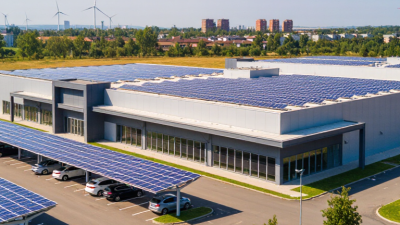
For many businesses, solar systems have moved from a bold experiment to a practical energy strategy. A warehouse roof can become a productive asset, generating electricity during busy daytime hours. A retail store can reduce exposure to changing utility prices. A small office can use clean power while improving its environmental profile.
Fatih Birol, Executive Director of the International Energy Agency, said, “Solar PV is the new king of electricity markets.” His observation reflects a broader market shift. Solar technology has become more accessible, efficient, and scalable. Yet, a responsible decision requires more than enthusiasm. Every business needs a site assessment, realistic production estimates, and a careful review of installation costs. The roof angle matters. So do shade, weather, panel quality, and local electricity rates.
The decision is not effortless. Solar is not magic. Some buildings need electrical upgrades or roof repairs before installation. Batteries may increase resilience, but they also add cost and maintenance needs. An experienced installer can model seasonal output, explain warranties, and identify potential safety concerns. Businesses should also compare equipment certifications and after-sales support. Those details can protect long-term performance.
Choosing solar systems can support lower operating costs, stronger energy planning, and measurable sustainability goals. It can also reveal uncomfortable questions about consumption. That is useful. A business that studies its energy use first may design a smaller, smarter system. The best project is not always the largest one. It is the one supported by sound data, qualified professionals, and clear expectations.
Business Energy Needs and the Role of Solar Power
Businesses need energy that is predictable, affordable, and suitable for daily operations. Solar power can support these needs by generating electricity near the point of use. A warehouse may produce power for refrigeration, lighting, and equipment during daylight hours. An office can reduce grid demand during peak working periods. Not every roof works. Shading, roof age, local weather, and available space can change the project’s value.
Tips: Review twelve months of electricity bills before planning a system. Ask a qualified installer to measure roof conditions and hourly energy demand. Consider battery storage if evening operations are important. Confirm maintenance access, insurance requirements, and local connection rules. Small details matter.
A reliable solar decision begins with a proper energy assessment, not a quick promise of savings. Experts should compare panel output with seasonal demand, future expansion, and backup requirements. Monitoring software can reveal underperformance, but it cannot repair poor installation. Businesses should also examine cleaning schedules, inverter replacement periods, and realistic payback estimates. Solar is not a magic fix. It may reduce costs, yet it also requires capital, roof planning, and ongoing attention. A conservative forecast is often more useful than an impressive estimate. Some companies may benefit more from efficiency upgrades before installing panels. That possibility deserves honest consideration.
How Commercial Solar Systems Work
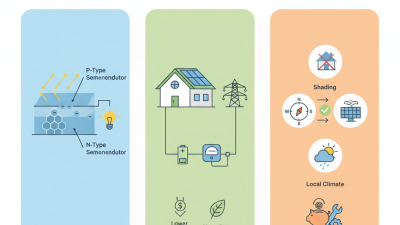
Commercial solar systems convert sunlight into usable electricity through several connected stages. Solar panels absorb light and produce direct current (DC) power. An inverter changes that power into alternating current (AC) for office equipment, machinery, lighting, and refrigeration. The building’s electrical panel then distributes energy through existing circuits.
During sunny hours, the system usually serves on-site demand first. Extra electricity may charge batteries or flow to the utility grid, depending on local rules and the approved connection agreement. Batteries can store afternoon energy for evening operations, but they add cost, weight, and maintenance requirements. Energy meters and monitoring software track production, consumption, faults, and unusual drops in performance.
A reliable design begins with electricity bills, roof condition, shading, operating hours, and future expansion plans. Experienced engineers also check structural loads, fire access, wiring routes, and protection equipment before installation.
A system can look excellent on paper and still underperform after dust, heat, snow, or partial shade appear. Panels also lose a small amount of output over time. Regular inspections help identify loose connections, damaged cables, and inverter warnings before they become expensive problems.
The best commercial choice is not always the largest system. It should match real demand, available space, safety requirements, and the company’s tolerance for operational change.
Key Financial Benefits of Business Solar Adoption
Why Choose Solar Systems for Your Business?
Key Financial Benefits of Business Solar Adoption
Electricity costs can change quickly, making monthly budgeting difficult for many businesses. A commercial solar system can reduce purchased power during daylight hours. That reduction may improve cash flow and protect operating margins. Rooftop panels also turn unused roof space into a productive business asset. A warehouse with steady daytime demand may see especially strong savings.
The financial case depends on more than panel prices. A professional assessment should review roof condition, system size, local sunlight, electricity rates, and expected maintenance. Incentives, tax treatment, and depreciation rules vary by location and business structure. Independent financial advice remains important. The payback estimate is never perfect.
Financing can reduce the upfront burden. Some businesses choose a purchase, while others consider a lease or power purchase agreement. Each option affects ownership, tax benefits, balance sheets, and long-term savings differently. A well-designed system may also support predictable energy planning over many years. Small details matter. For example, shading from a nearby tree can reduce production more than expected. Battery storage may improve resilience, but its added cost requires careful modeling. Regular inspections, cleaning, and inverter replacement should appear in the budget, not as afterthoughts. Personally, I would compare conservative and optimistic projections before signing any agreement.
Environmental and Operational Advantages
Why Choose Solar Systems for Your Business?
Environmental and Operational Advantages
A commercial solar system turns unused roof space into a working energy asset. The environmental benefit is measurable, not decorative. The IPCC reports that solar power produces about 48 grams of CO2-equivalent emissions per kilowatt-hour across its lifecycle. Coal generation averages roughly 820 grams. For a warehouse using 500,000 kilowatt-hours annually, the difference can represent thousands of tonnes of avoided emissions over time.
Solar can also improve operational control. The International Energy Agency reported that solar photovoltaic capacity reached about 1,420 gigawatts globally by the end of 2023. This growth reflects stronger deployment economics and practical energy demand. On-site generation can reduce exposure to changing grid prices, especially during daylight production hours. Battery storage may extend that benefit into evening operations, but it adds cost, maintenance, and technical complexity.
The roof still needs inspection.
A professional assessment should examine shading, structural loading, inverter access, fire safety, and local electricity tariffs. The U.S. Department of Energy notes that performance depends on system design, weather, orientation, and maintenance. A poorly planned array may generate less power than projected. That uncomfortable possibility matters. Businesses should compare measured load profiles with conservative production estimates, rather than trusting attractive payback tables. Routine cleaning, electrical checks, and performance monitoring also protect long-term output. Solar is cleaner and often more predictable, but it is not maintenance-free.
Factors to Consider Before Installing a Solar System
Why Choose Solar Systems for Your Business?
Before installing a solar system, examine your building, electricity use, and financial limits. A strong roof matters. Older roofs may need repairs before panels are added, increasing the project cost.
Study your electricity bills across different seasons. A warehouse may use most power during daylight, while a restaurant may peak after sunset. This difference affects system size and storage needs. Check nearby trees, vents, and taller buildings for shading. Even partial shade can reduce production.
Ask for a detailed site assessment. It should include roof direction, structural capacity, local weather, expected energy output, and maintenance access. The estimate should also explain equipment life, warranty terms, insurance, and grid connection requirements. Regulations and approval times vary by location, so confirm them with qualified local professionals.
Budget beyond the panel price. Include design, installation, electrical upgrades, monitoring, cleaning, and possible battery replacement. Compare projected savings with your actual tariff, not a general online estimate. No forecast is perfect. Cloudy months, changing operations, or lower energy prices can weaken the expected return. A careful installer should show conservative and optimistic scenarios, not only the best result.
A solar system can support energy planning, but it should fit the business first. Rushing the decision is an expensive lesson.